





For Wildlife Travellers: A Greener Path
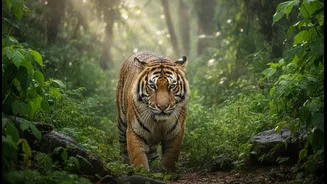
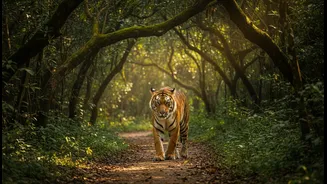
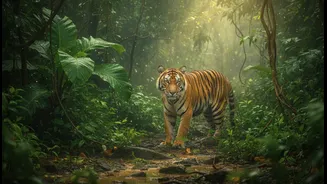
Visiting India’s national parks and sanctuaries now requires more planning and a greater awareness of conservation. A significant trend is the push towards structured ecotourism, which aims to protect fragile ecosystems while allowing for responsible
exploration. States are implementing stricter regulations to manage visitor impact. For example, Himachal Pradesh has revised its fee structure, increasing entry and vehicle charges for its wildlife parks. Similarly, during peak monsoon, many popular trekking routes and waterfalls in states like Maharashtra, Goa, and Karnataka face temporary bans to ensure safety. Travellers should prepare for a more regulated experience. This includes booking safaris and accommodations well in advance, often through digital platforms, and being mindful of new rules. However, these changes are also opening up new frontiers. States like Uttarakhand and Chhattisgarh are developing new ecotourism circuits, transforming forest rest houses into comprehensive nature hubs. Lesser-known reserves, such as Satpura in Madhya Pradesh, are gaining prominence for offering unique, low-impact experiences like walking safaris, providing a quieter alternative to more crowded tiger reserves. The future of wildlife travel in India is about balancing adventure with responsibility, encouraging a deeper connection with nature.
For Families: New Ways to Bond
Family travel in India is being redefined. The traditional annual vacation is making way for shorter, more frequent getaways, driven by flexible work schedules and a desire for regular breaks. This has led to the rise of weekend trips and exploration of destinations closer to home. Another major shift is the rise of 'skip-gen' travel, where grandparents and grandchildren take holidays together, often without the parents. According to a 2026 trends report by Hilton, creating special memories across generations has become a top priority for Indian families. In response to these trends, the focus has moved beyond traditional tourist spots. Families are increasingly exploring emerging destinations like Kochi, as well as various hill stations, coastal towns, and heritage cities that offer authentic local experiences. This shift away from crowded hubs allows for more meaningful engagement and discovery. Instead of simply seeking relaxation, families are looking for quality time and shared activities, whether it's staying at a farm, exploring a spice plantation, or visiting a lesser-known cultural site. The takeaway for families is to think beyond the conventional and embrace the opportunity to create lasting bonds through diverse and accessible experiences.
For Rail Enthusiasts: A Modern Era
It’s an exciting time for train lovers in India, with Indian Railways undergoing a massive transformation. The most significant development is the introduction of the Vande Bharat Sleeper Express, which began its first commercial service in January 2026. These modern, semi-high-speed trains are designed for comfortable overnight journeys on long-distance routes, with the first connecting Kamakhya and Howrah. Complementing the new trains is the ambitious Amrit Bharat Station Scheme, which is redeveloping over 1,300 stations across the country. These upgrades focus on enhancing passenger amenities with improved waiting halls, better connectivity, wider foot-over-bridges, and modern facilities, turning stations into integrated urban hubs. Progress is already visible at major stations like New Delhi and Jalandhar Cantt. For those seeking curated experiences, the options have expanded too. The luxurious Golden Chariot train has been revamped for the 2026-27 season with refreshed interiors and new itineraries in South India. Additionally, the Bharat Gaurav theme-based tourist trains offer all-inclusive packages to cultural and spiritual destinations, making rail travel a complete holiday experience.