







The Aftermath of the Meal
For millions in India, ordering food online has become a daily ritual. But this convenience has an environmental cost. Every delivery contributes to a mountain of single-use packaging, a significant portion of which is plastic that can take centuries
to break down. This waste clogs landfills, pollutes waterways, and adds to the nation’s carbon footprint. As consumer awareness grows, so does the demand for a guilt-free takeaway experience, pushing food delivery giants and restaurants to find a better, greener way to package our favourite meals.
From Agricultural Waste to Your Dinner Table
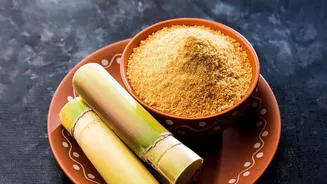
Enter bagasse, the fibrous residue left over after juice is extracted from sugarcane. For years, this byproduct was either burned, contributing to air pollution, or simply discarded. Today, innovative processes are transforming this agricultural waste into sturdy, eco-friendly food containers. The process is relatively simple: the raw bagasse is cleaned, turned into a pulp with water, and then high-pressure, high-temperature molds press it into shape. This creates lightweight, durable, and food-safe packaging, turning a waste product from one of India's largest crops into a valuable resource.
The Clear Environmental Advantage
The benefits of using sugarcane packaging are significant. Unlike plastic, which is derived from fossil fuels, bagasse comes from a rapidly renewable resource. Sugarcane can be harvested in as little as six months. The production process for bagasse packaging also has a lower carbon footprint compared to plastic. Most importantly, these containers are biodegradable and compostable. Under the right industrial composting conditions, they can break down in as little as 60 to 90 days, returning to the earth without leaving behind harmful residues or microplastics. They are also heat-resistant, microwave-safe, and handle oils and grease well, making them a practical choice for a variety of Indian dishes.
Adoption in the Indian Market
Food delivery platforms are taking notice. In a significant move, Zomato recently launched PackSwitch, an interactive website designed to help its partner restaurants find and source sustainable packaging alternatives, including bagasse. This initiative provides a directory of over 100 verified suppliers across India, aiming to solve challenges related to cost, availability, and performance. Zomato's program has already recognized over 10,000 restaurants that have delivered more than 100 million orders in low-plastic packaging as of March 2026. This signals a strong industry push, driven by both corporate responsibility and a desire to attract eco-conscious consumers.
The Hurdles on the Path to Green
Despite its promise, the transition to sugarcane packaging is not without challenges. The cost of biodegradable materials can still be higher than conventional plastic, which is a significant barrier for small restaurants. Another major issue is infrastructure. For bagasse to fulfill its compostable promise, it needs to be disposed of in industrial composting facilities, which are not yet widely available across India. Without proper segregation and processing, these containers can end up in landfills, where they won't break down as intended. Consumer awareness about how to correctly dispose of these materials is also a crucial piece of the puzzle that needs to be addressed.