


The New Seasons of Life
For generations, Indian life has been anchored to its seasons, a wisdom embedded in everything from architecture to attire. But in urban India, this connection had started to fade, replaced by the year-round availability of every fruit and vegetable imaginable.
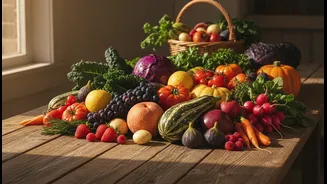
Now, a powerful shift is underway. The principle of seasonal eating—choosing foods that are naturally harvested at a specific time of year—is making a major comeback. It’s no longer just a dietary guideline whispered by grandparents; it's becoming a mainstream cultural movement that is reshaping how we celebrate, socialise, and mark the passage of time. This isn't about restrictive dieting; it’s a return to an intuitive way of life that aligns our plates with the planet’s natural cycles.
From Harvest to Hashtag
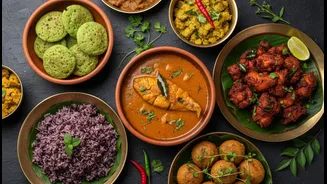
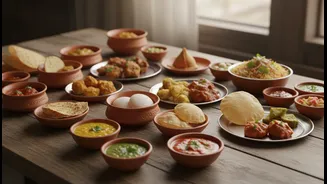
The most visible sign of this trend is the rise of produce-centric events that are finding a firm place in our cultural calendar. We’re not just talking about traditional harvest festivals like Pongal or Baisakhi, which have always honoured the land's bounty. Today, new celebrations are emerging around specific ingredients. Think of the International Mango Festival in Delhi, the Strawberry Festival in Mahabaleshwar, or the Jackfruit Festivals held across the Konkan coast. These events, complete with tastings, workshops, and music, are becoming destinations in their own right. Simultaneously, social media feeds now follow a seasonal script. 'Mango mania' takes over Instagram every summer, with cafes and creators building entire menus and content plans around the fruit. The digital world buzzes with excitement for 'winter carrots' or the first 'monsoon corn', turning a simple vegetable haul into a shareable cultural moment.
The Drivers of the Shift
So, why is this happening now? Several forces are converging. Firstly, there's a growing consciousness around health and wellness, accelerated by the pandemic. Consumers are actively moving away from ultra-processed foods, seeking fresh, clean ingredients that are naturally more nutritious. Seasonal produce, harvested at its peak, is richer in vitamins and flavour. Secondly, sustainability is a major driver. People are increasingly aware of their carbon footprint, and choosing local, seasonal food reduces the environmental cost of transportation and cold storage. This trend also directly supports local farmers and boosts rural economies, a connection that more consumers are seeking to make. Finally, there's the simple fact of affordability. When a fruit or vegetable is in season, it's abundant and therefore cheaper, making it a sensible choice in a time of rising food costs.
Restaurants and Brands Lead the Way
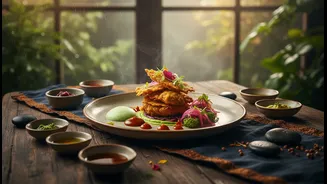
The food industry has been quick to embrace this movement. Restaurants are playing a huge role in making seasonal eating mainstream. Chefs are transforming their menus to highlight hyperlocal produce, often collaborating directly with local farmers. This 'farm-to-table' philosophy is no longer a niche concept but a significant trend, as reported by the National Restaurant Association of India. Brands are also moving their focus to seasonal offerings, from social enterprises in Uttarakhand selling preserves made with local summer fruits like malta and wild raspberries to cafes in major cities creating limited-time menus around a single seasonal star. This creates a cycle of excitement and discovery for diners, who get to experience regional ingredients that were once disappearing from our plates.
A Deeper Connection
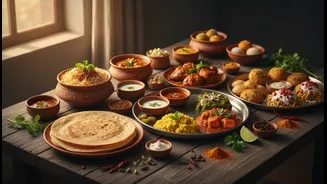
Ultimately, the embrace of a seasonal calendar is about more than just food; it’s about a search for connection. In a fast-paced, globalised world, anchoring our lives to the local and the natural offers a sense of grounding. Eating a mango in June or enjoying sarson ka saag in January connects us to the soil, to our community, and to a rhythm larger than ourselves. It’s a way of participating in a shared, tangible experience that cuts across regions and backgrounds. This movement is a rediscovery of a wisdom that has always been part of Indian culture: that the best way to live is in harmony with the world around us. It’s a tradition that feels more relevant than ever.