



Brisk Walking: The Accessible Powerhouse
Never underestimate the power of a good walk. Brisk walking is a highly effective, accessible, and low-impact way to improve cardiovascular fitness. It helps lower blood pressure, reduce bad cholesterol, and strengthen your heart muscle. To get the benefits,
you need to move at a pace that increases your heart rate and breathing, but where you can still hold a conversation. Aim for at least 30 minutes, five days a week. Unlike running, walking places significantly less stress on your knees, hips, and ankles, making it a sustainable choice for people of all ages and fitness levels. Studies have shown that consistent walking significantly lowers the risk of coronary heart disease and can help improve circulation throughout the body.
Swimming and Water Aerobics: The Buoyancy Benefit
Exercising in water is one of the kindest things you can do for your joints. The natural buoyancy of water supports your body weight, which dramatically reduces the force and impact on your joints. This makes swimming and water aerobics ideal for individuals with arthritis, joint pain, or those recovering from injury. As an aerobic activity, swimming strengthens your heart and lungs, improves circulation, and helps manage blood pressure. The water also provides gentle, consistent resistance, which helps to build muscle strength and endurance across your entire body without the jarring impact of land-based exercises. Research has linked regular swimming to a significantly lower risk of death from heart disease and stroke.
Cycling: Smooth and Powerful
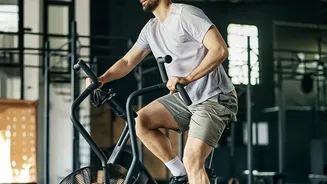
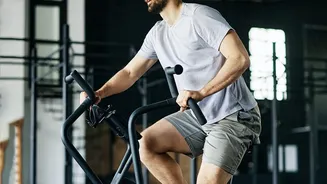
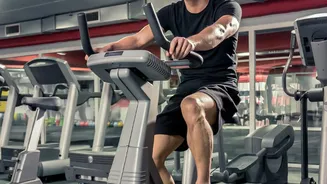
Whether you're on a stationary bike at the gym or cycling through your neighbourhood, this activity is a superb low-impact cardio workout. The smooth, circular motion of pedalling raises your heart rate and improves lung capacity without pounding your joints. This makes it an excellent alternative to running, especially for those with knee or hip concerns. Regular cycling is linked to a lower risk of cardiovascular disease, helps lower your resting heart rate, and can improve cholesterol levels. Because it's easier on the body, many people find they can sustain cycling workouts for longer durations than high-impact activities, leading to greater overall calorie burn and endurance benefits.
Elliptical Training: A Full-Body Glide
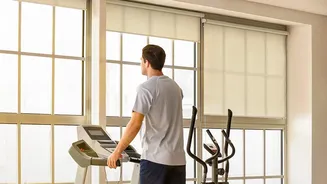
The elliptical machine is a gym favourite for a reason. It mimics the motion of running but without the impact, as your feet never leave the pedals. This makes it a fantastic option for getting an intense cardio workout that strengthens your heart and lungs while protecting your joints. Many elliptical machines have movable handlebars, allowing you to engage your upper body for a full-body workout that boosts calorie burn and improves blood circulation. It's a versatile tool that can be used for both steady-state cardio and high-intensity interval training (HIIT), helping to build stamina and endurance effectively. For those recovering from an injury, the elliptical can be a safe way to maintain cardiovascular fitness without stressing the injured area.
Rowing: Strength and Cardio Combined
A rowing machine offers a powerful, full-body workout that is surprisingly low-impact. The seated position takes all the pressure off your knees and ankles, making it a joint-friendly powerhouse. The movement engages major muscle groups in your legs, core, and upper body, leading to a significant cardiovascular challenge. This comprehensive muscle engagement means your heart has to work hard to supply oxygen, making it an incredibly efficient way to boost heart health and endurance. The smooth, continuous motion prevents the jarring stress associated with other cardio forms while building both strength and aerobic capacity simultaneously. It's an excellent choice for a well-rounded fitness routine that burns calories effectively while being gentle on the body.