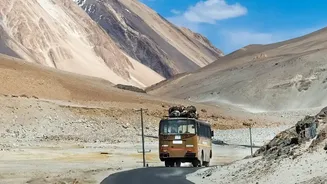




An early winter drive through the Himalayas is a breathtaking experience, but fresh snowfall brings hidden dangers. One of the most overlooked and deadliest hazards is a snow-blocked exhaust pipe. Here is what you need to know to stay safe.
The Silent Killer: Carbon Monoxide
When a vehicle's
tailpipe is clogged with snow, ice, or mud, the exhaust fumes have nowhere to escape. These fumes, which contain carbon monoxide (CO), can then be forced back and seep into the passenger cabin. Carbon monoxide is an odourless, colourless gas, making it impossible to detect without a sensor. Breathing it in prevents your body from using oxygen properly, leading to poisoning that can cause serious illness or death within minutes, sometimes before any significant symptoms are noticed. This is not a minor issue; it’s a life-threatening emergency that every driver in snowy conditions must be aware of.
Before You Start Your Engine: A Critical Check
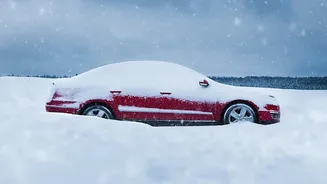
The single most important habit for winter driving is to check your exhaust pipe before starting the car. Many drivers start their vehicle to let it warm up while they clear the snow, but this can be a fatal mistake if the tailpipe is blocked. Make it a rule to walk to the back of your vehicle first. Check that the exhaust pipe is completely clear of any obstruction. If you backed into a snowbank or if heavy snow has fallen overnight, the pipe could be completely buried. Use your hand, a small shovel, or a brush to clear a wide area around the tailpipe to ensure fumes can dissipate safely.
Recognising the Symptoms of CO Poisoning
Because you can't see or smell carbon monoxide, you must know the symptoms of poisoning. Early signs are often flu-like, but without the fever. These include a mild headache, nausea, dizziness, weakness, and shortness of breath. As exposure continues, symptoms can escalate to confusion, severe headaches, chest pain, drowsiness, and loss of muscle coordination. If you or any passenger starts to feel unwell in a running car, especially in snowy conditions, don't dismiss it. Immediately turn off the engine, get everyone out into fresh air, and seek emergency medical help.
What to Do If Stranded in Snow
If your vehicle becomes stuck in deep snow, your safety protocol must shift to survival. Keep the exhaust pipe clear. Run the engine and heater sparingly—just long enough to stay warm, perhaps for 10 minutes every hour. Before you run the engine, always doublecheck that the tailpipe is free of snow. It's also wise to slightly crack open a window on the side of the car away from the wind to allow fresh air to circulate and prevent CO from building up inside, even with a clear exhaust. Focus on staying warm with blankets and extra clothing you've packed in your emergency kit.
Your Himalayan Winter Driving Kit
Being prepared is nonnegotiable for a Himalayan road trip in winter. Beyond standard maintenance like checking your battery, antifreeze, and brakes, your car should contain an emergency kit. Key items include a small or collapsible shovel, which is invaluable for digging out a stuck car or clearing the exhaust. Also pack extra warm clothing, gloves, blankets, a torch, a firstaid kit, and highenergy snacks and water. For traction, a bag of kitty litter or sand can make a huge difference if your wheels are spinning. Finally, ensure your phone is fully charged and consider carrying a power bank.
General Winter Driving Techniques
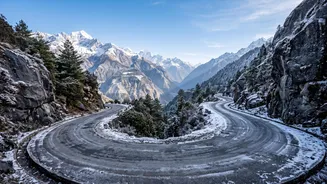
Safe driving on snowy Himalayan roads requires adapting your technique. Reduce your speed significantly and increase your following distance to at least 8–10 seconds behind the vehicle ahead. All inputs—braking, accelerating, and steering—should be gentle and smooth to avoid losing traction. When going downhill, shift to a lower gear to use engine braking rather than relying solely on the brake pedal, which can lock the wheels on ice. Be extra cautious on bridges, in shaded areas, and at tunnel exits, as these are prime spots for invisible black ice to form.