



Beyond Alpine Perfection
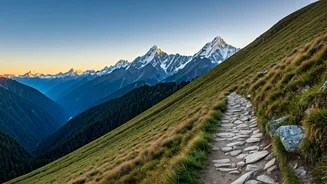
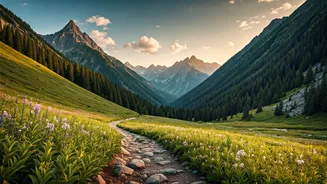
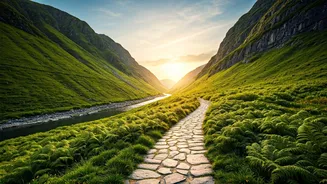
The allure of the Swiss Alps is undeniable. It’s a world of emerald valleys, jagged snow-capped peaks, and charming villages where efficiency and beauty coexist in perfect harmony. The trails are impeccably marked, the cable cars run on time, and a hot
chocolate is never far away. It is, in many ways, mountain tourism perfected. Yet, for some travellers, perfection can feel sterile. The experience, while visually stunning, can sometimes lack a deeper sense of soul or discovery. It's a landscape to be observed, but not always one that feels lived-in or spiritually charged. This is where the argument for a different kind of mountain journey begins—one that trades polished infrastructure for profound authenticity.
Welcome to the Last Shangri-La
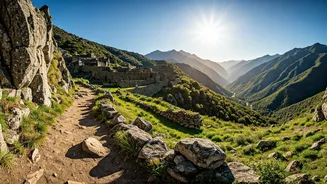
Enter Thimphu, the serene capital of Bhutan, nestled deep within the Himalayas. Bhutan is not just another country; it's a philosophy. Famously measuring its progress by 'Gross National Happiness' instead of GDP, the kingdom prioritises spiritual well-being, cultural preservation, and environmental conservation above all else. This isn't just a government slogan; it's the very fabric of life, and it fundamentally shapes the experience of anyone who visits. Unlike the bustling resort towns of the Alps, Thimphu is a gateway to a world that moves at a different pace. Here, mountains are not merely geographic features; they are deities, sacred spaces dotted with ancient monasteries (dzongs) and fluttering prayer flags that send blessings into the wind.
Trails Steeped in History and Spirit
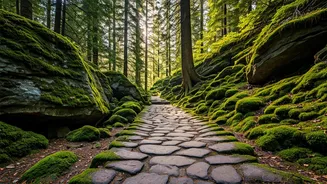
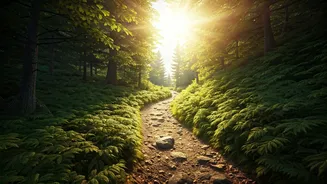
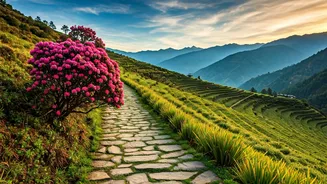
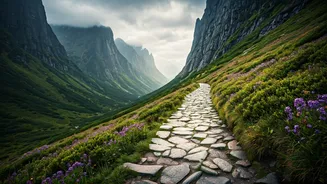
The trails around Thimphu are not just pathways—they are pilgrimages. Take the legendary Druk Path Trek, a multi-day hike that connects Thimphu with Paro. It’s a journey through dense rhododendron and pine forests, past high-altitude lakes shimmering with an ethereal glow, and with constant, breathtaking views of the eastern Himalayas. Unlike a trek in Switzerland where you might share the path with hundreds, here you might walk for hours in contemplative silence, your only companions being your guide and the rustle of the wind. Shorter day hikes, like the climb to the Tango and Cheri Monasteries, are just as rewarding. These are not just scenic viewpoints but active centres of Buddhist learning, where the faint sound of chanting might drift down to you as you ascend the ancient stone steps.
A Culture of Mindful Travel
Bhutan's unique tourism policy—'High Value, Low Volume'—is central to its magic. All tourists must pay a daily Sustainable Development Fee (SDF), which contributes to the country’s free healthcare, education, and infrastructure. It also means you must be accompanied by a licensed local guide. While this may seem restrictive compared to the free-roaming nature of a Swiss holiday, it creates an incredibly intimate and insightful experience. Your guide is not just a navigator but a cultural ambassador, sharing stories of local deities, explaining the symbolism behind ancient art, and offering a genuine connection to the place. This curated approach ensures that the trails remain pristine and the culture remains undiluted by mass tourism. It’s a journey that encourages you to be present, to listen, and to learn.
The Choice: Scenery or Serenity?
Ultimately, the choice between Switzerland and Thimphu is a choice between two different desires. Switzerland offers magnificent scenery delivered with flawless precision. It’s a spectacular and comfortable holiday. Thimphu, however, offers a journey. It demands more from you—more curiosity, more mindfulness, and a willingness to embrace a different rhythm. The reward is not just a gallery of beautiful photos, but a quieter mind and a richer understanding of a culture that has deliberately chosen a different path. The beauty here is not just in what you see, but in what you feel: the weight of history in the air, the palpable spirituality of the landscape, and the profound peace of being in a kingdom that values happiness above all.