



Valley of Flowers, Uttarakhand: A Himalayan Meadow Blooms
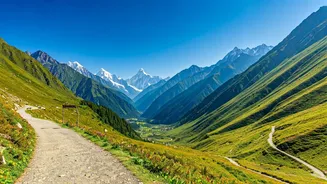
Perhaps the most famous of North India’s monsoon wonders is the Valley of Flowers National Park in Uttarakhand. A UNESCO World Heritage Site, this high-altitude valley is dormant and snow-covered for most of the year. But from July to September, the monsoon rains
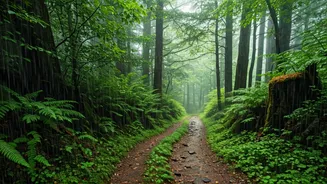
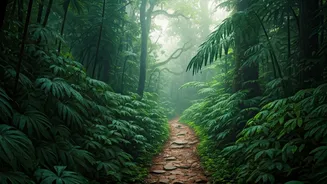
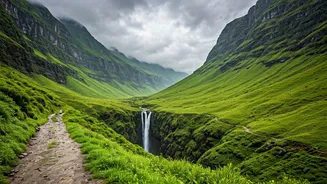
trigger a breathtaking spectacle. The entire valley transforms into a vibrant carpet of alpine flowers, with over 600 species blooming in a riot of colour. Trekkers are greeted by primulas, orchids, poppies, and the famous Brahma Kamal. The trek itself is a journey through mist-laden trails, past cascading waterfalls and gushing streams, making it a truly dream-like experience for nature lovers and photographers. The park is only open from June to October, with the peak blooming season falling squarely in the monsoon months of July and August.
Great Himalayan National Park, Himachal Pradesh: A UNESCO Gem in the Mist
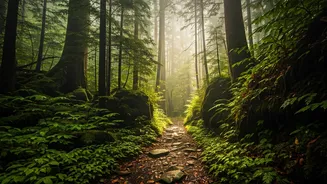
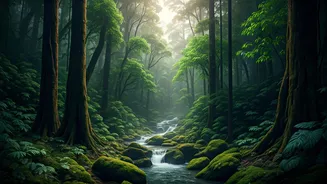
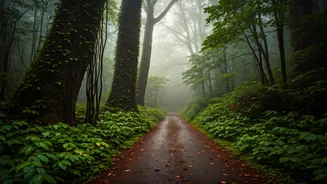
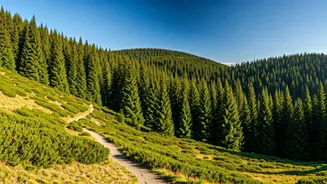
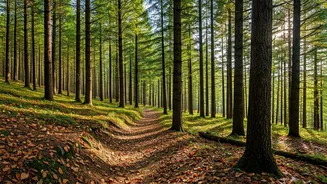
In Himachal Pradesh, the Great Himalayan National Park (GHNP) offers a more rugged and wild version of a rainy forest dream. Also a UNESCO World Heritage Site, this park encompasses everything from riverine forests to high alpine meadows. During the monsoon (July to September), the park receives abundant rainfall, which sustains its incredible biodiversity, including rare medicinal plants and vibrant orchids. The forests of deodar, pine, and oak become dense and mysterious, their branches heavy with moisture and often shrouded in thick fog. The name 'Deodar' itself comes from the Sanskrit 'Devadāru', meaning 'wood of the gods', and walking through these ancient, mist-filled groves feels like stepping into a sacred space. While trekking can be challenging, the reward is a landscape teeming with life, where the sound of rain on leaves and the scent of wet earth create a deeply immersive experience.
Munsiyari, Uttarakhand: The Misty Kumaon Frontier
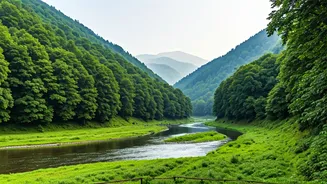
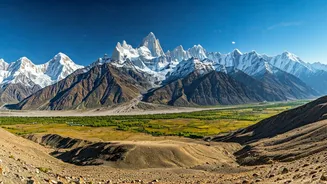
Often called the 'Kashmir of Kumaon', Munsiyari in Uttarakhand is a lesser-known destination that truly comes alive in the monsoon. Perched at an altitude of over 2,200 metres, this hamlet is surrounded by dense forests of rhododendron and deodar. During the rains, the entire landscape is washed clean, revealing stunning shades of green. Clouds drift lazily through the valleys, often obscuring and then revealing breathtaking views of the Panchachuli peaks. While heavy rains can cause travel disruptions, those who make the journey are rewarded with unparalleled solitude and beauty. The region is dotted with waterfalls that are at their most powerful during this season, like the majestic Birthi Falls. It’s a place for quiet contemplation, where you can watch the drama of the monsoon unfold against a backdrop of Himalayan giants.
Jim Corbett National Park, Uttarakhand: The Terai in Its Greenest Avatar
While many core zones of Jim Corbett National Park close during the monsoon for safety and regeneration, the park’s periphery and buffer zones like Jhirna and Sitabani remain accessible. This season offers a unique perspective on India’s oldest national park. The landscape transforms from dry and dusty to unbelievably lush and green. The rain breathes life into every corner, turning parched grasslands into vibrant carpets and filling the streams where elephants are often seen playing. With fewer tourists, the forest feels more intimate and peaceful. The air is thick with the scent of wet soil and fresh foliage, and while wildlife sightings might require more patience due to the dense vegetation, the sheer beauty of the rain-soaked Sal forest makes a monsoon visit a magical experience.