




The Science of a Simple Soak
At its heart, fermentation is a natural transformation. When rice and lentils are soaked, ground, and left to rest, a community of invisible helpers gets to work. These microorganisms, mainly beneficial bacteria like Lactobacillus and yeasts naturally
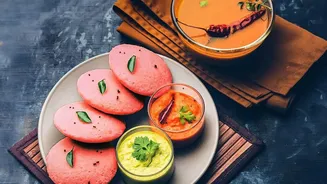
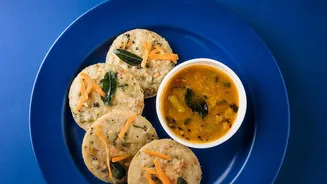
present on the grains, begin to break down the food components. This process, which has been perfected in Indian kitchens for centuries, is a form of pre-digestion. The microbes consume the complex carbohydrates and proteins in the batter, converting them into simpler, more easily digestible forms. This is why a fermented dish like an idli often feels significantly lighter and less taxing on your digestive system compared to its unfermented counterparts.
Unlocking Essential Nutrients
Grains and lentils contain compounds known as 'anti-nutrients', with phytic acid being a primary example. Phytic acid binds to minerals like iron, zinc, and calcium, preventing your body from absorbing them effectively. This is where fermentation plays a starring role. The process significantly reduces phytic acid, essentially unlocking these vital minerals and making them more 'bioavailable' for your body to use. Studies have shown that fermentation can dramatically increase the amount of absorbable iron and calcium, turning a simple meal into a more potent source of nutrition.
A Boost of B Vitamins
Beyond making minerals more accessible, the fermentation process actively creates new nutrients. As the microorganisms work their magic on the batter, they synthesise various B-group vitamins, including folic acid and even vitamin B12. This is particularly significant for vegetarian and vegan diets, where sources of vitamin B12 can be limited. This natural enrichment means that your plate of idli or dosa is not just providing energy, but is also delivering a bonus dose of essential vitamins that are crucial for energy production and overall cellular health.
The Probiotic and Prebiotic Power
The term 'probiotic' refers to live beneficial bacteria that are good for your gut health. Raw, fermented idli-dosa batter is teeming with these good microbes. While the high heat of steaming or cooking inactivates a large portion of these live bacteria, the benefits don't stop there. The cooked dishes are rich in 'prebiotics'—dietary fibres that act as food for the good bacteria already living in your gut. Furthermore, the beneficial byproducts created during fermentation, known as 'postbiotics', remain in the food and help maintain a healthy gut environment. This trifecta of benefits supports a balanced gut microbiome, which is linked to everything from better digestion and reduced bloating to a stronger immune system.
The Final Verdict: A Gut-Friendly Choice
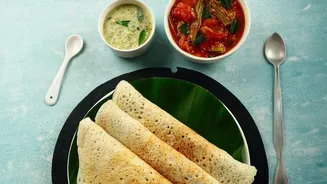
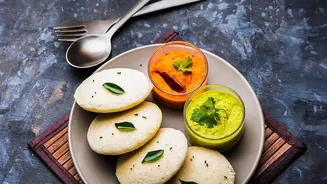
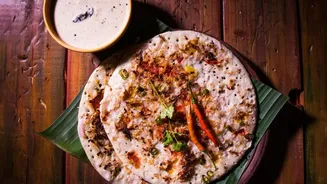
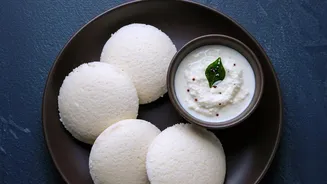
The light, airy texture of an idli or the crisp-yet-soft structure of a dosa is a direct result of the fermentation process, where gasses produced by the microbes leaven the batter. But the benefits are more than just textural. By breaking down complex components, neutralising anti-nutrients, and enriching the food with vitamins, fermentation transforms a basic meal into a nutritional powerhouse that is fundamentally easier for our bodies to process. It reduces the digestive load, preventing that heavy, lethargic feeling that can sometimes follow a meal and instead providing sustained energy. This ancient practice is a perfect example of traditional wisdom that is now being fully understood and appreciated by modern science.