





The New Indian Plate
For decades, the Indian diet was built around cereals. Today, that foundation is shifting. According to recent Household Consumption Expenditure Survey data, the share of spending on cereals like rice and wheat has seen a significant decline. In its place,
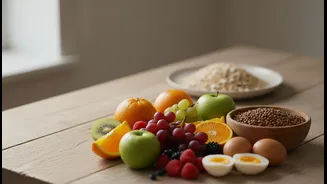
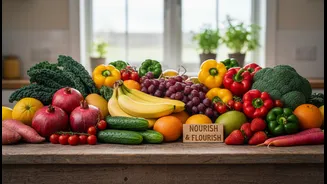
there is a clear diversification towards higher-value foods. Households are now spending more on milk and dairy products, eggs, fish, meat, and fresh fruits. This isn't just an urban phenomenon; the trend is visible across both rural and urban areas, driven by rising incomes, better availability, and changing aspirations. Even within categories, preferences are evolving, with consumers showing a greater interest in products perceived as healthier, such as whole grains, protein-fortified foods, and organic options.
Drivers of Dietary Change
Several powerful forces are reshaping India's eating habits. Rapid urbanization is a key factor, as city life often means less time for traditional cooking and greater exposure to convenience foods. Long work hours and commutes make packaged and processed foods an appealing option for many. Rising incomes across the country have also given households more purchasing power, allowing them to move beyond basic calorie needs and explore a wider variety of foods. This economic mobility has also fuelled a boom in eating out and ordering in. Furthermore, there's a growing awareness around health and wellness, especially among younger consumers, who are actively seeking out nutritious alternatives and are willing to pay a premium for them.
A 'Double Burden' for Nutrition Policy
This dietary transition presents a complex challenge for India's public health and nutrition policy. The nation is now grappling with what experts call the "double burden of malnutrition". This refers to the paradoxical situation where undernutrition, such as stunting and micronutrient deficiencies, continues to be a stubborn problem, even as overnutrition—leading to obesity and diet-related non-communicable diseases (NCDs) like diabetes and hypertension—is rising at an alarming rate. Recent studies show that even as thinness remains common in children, the prevalence of overweight and obesity can triple in just a couple of years during mid-childhood. This means nutrition policies that were designed primarily to fight hunger and calorie deficiency are no longer sufficient. They must now address both ends of the malnutrition spectrum simultaneously.
The Impact on Household Kitchens
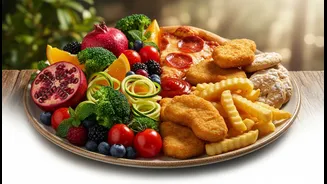
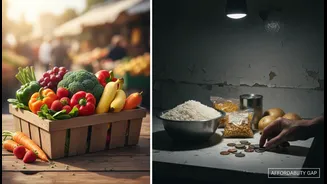
At the household level, these changes manifest in daily choices and budget allocations. For many, the diversification of diets is a positive sign of progress. However, it is not without its challenges. The increased reliance on markets for food means families are more vulnerable to food price inflation, which can force difficult choices between nutrition and affordability. While some households are trading up to healthier options like cold-pressed oils and organic vegetables, others may find themselves pushed towards cheaper, calorie-dense but nutrient-poor processed foods and snacks. This creates a nutritional divide, where access to a healthy, balanced diet is not evenly distributed. Households, particularly in urban areas, must navigate a complex food environment shaped by aggressive marketing and the allure of convenience.
The Policy Path Forward
Addressing the realities of India's new food basket requires a multi-pronged policy response. Experts argue that the focus must shift from food security, measured in grain production, to comprehensive nutrition security. This involves updating agricultural policies to support the production of diverse foods like pulses, fruits, and vegetables, not just staple cereals. Public distribution systems may need to be re-evaluated to include more nutritious items. For public health, there are calls for integrated interventions that include promoting nutrition literacy, regulating unhealthy foods through measures like clear front-of-pack labelling, and potentially taxing foods high in sugar, salt, and fat. Ultimately, the goal is to create an environment where the healthy choice is the easy choice for all Indians, regardless of their income or location.