





The Body's Internal Clocks
Every person operates on an internal 24-hour cycle known as the circadian rhythm. This master clock, located in the brain, dictates our sleep-wake patterns. But it doesn't work alone. Our bodies also contain peripheral clocks in organs like the gut, which
have their own daily rhythms. These clocks work together to regulate everything from digestion to hormone release. When your lifestyle, such as staying up late, is out of sync with your internal clocks, it can create a state of 'circadian misalignment' or social jetlag. This disruption is increasingly being studied for its widespread effects on health, particularly the delicate ecosystem within our gut.
What the New Study Uncovered
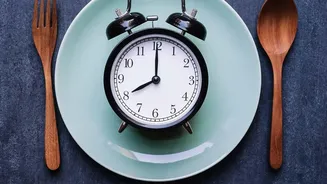
A recent study from UTHealth Houston, published in the journal iScience, sheds new light on this connection. Researchers investigated adults with obesity, analysing their natural sleep preferences (chronotype) and their meal timings. The findings were clear: individuals with a later chronotype, the 'night owls', especially those who also ate their meals later, showed a higher number of risk factors for metabolic syndrome. Metabolic syndrome is a cluster of conditions like high blood pressure, high blood sugar, and abnormal cholesterol levels that collectively increase the risk of heart disease, stroke, and Type 2 diabetes. This suggests that the combination of sleeping late and eating late poses the greatest metabolic risk.
A 'Leaky Gut' and Inflammation
The study delved deeper to understand the biological mechanism behind this link. Researchers found that participants with higher metabolic risk showed signs of increased intestinal permeability, often called 'leaky gut'. This condition means the intestinal barrier, which normally keeps contents inside the gut, becomes less effective. When this barrier is compromised, substances that should remain contained can enter the bloodstream, triggering a low-grade, body-wide inflammatory response. This chronic inflammation is a key driver of metabolic diseases. The study connects the dots: late sleep and eating patterns appear to alter the gut microbiome, which in turn weakens the gut barrier and promotes this harmful inflammation.
The Role of Specific Gut Bacteria
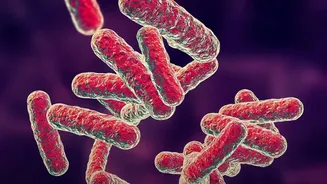
Not all gut bacteria are created equal, and our sleep patterns seem to influence which types thrive. The study noted that late chronotypes were associated with having fewer beneficial bacteria. Specifically, the focus is often on bacteria that produce short-chain fatty acids (SCFAs), like butyrate. These SCFAs are crucial for maintaining a healthy gut barrier and have anti-inflammatory properties. The research observed that when participants' gut barrier function improved, there was a corresponding increase in these beneficial SCFA-producing bacteria. This finding points to the gut microbiome as a key, and potentially modifiable, pathway connecting our daily rhythms to our metabolic health.
What Can You Do?
While you may not be able to change your natural chronotype, which is partly genetic, this research highlights the importance of aligning your lifestyle with your internal clock as much as possible. The most powerful signal for synchronizing your gut's rhythm is meal timing. Focusing on a consistent sleep-wake schedule, even on weekends, can help reduce social jetlag. Prioritising whole foods rich in fibre—like fruits, vegetables, and whole grains—can feed beneficial gut bacteria and support the production of healthy compounds like butyrate. While the study does not prove that changing sleep or eating times can prevent disease, it reinforces that a healthy, consistent routine is a cornerstone of well-being, influencing everything from our gut to our risk of chronic illness.