





More Than Just Green Water
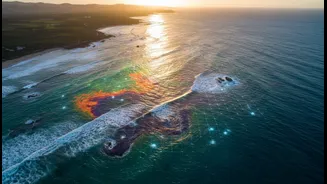
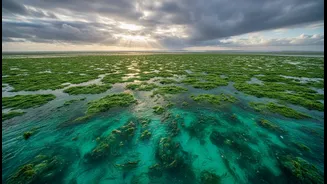
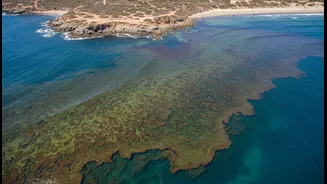
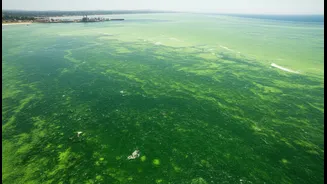
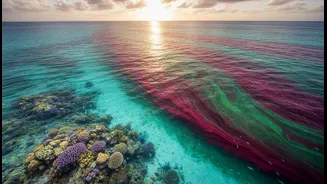
At its simplest, an algal bloom is a rapid increase in the population of algae in an aquatic system. While many blooms are harmless and a vital part of the food web, some are dangerous. These are known as Harmful Algal Blooms (HABs). They occur when certain
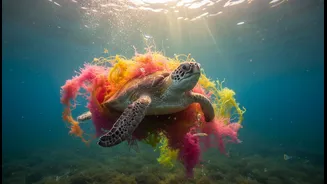
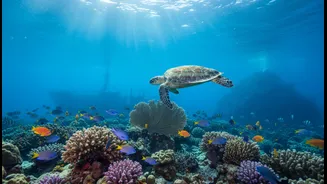
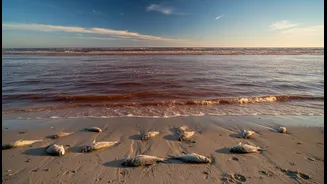
types of microscopic algae grow out of control, producing potent toxins. These toxins can accumulate in fish and shellfish, leading to poisoning in humans who consume them. Even non-toxic blooms can be devastating. As the massive amount of algae dies and decomposes, it consumes oxygen in the water, creating vast 'dead zones' where fish and other marine life cannot survive. The economic toll is immense, affecting fisheries, aquaculture, and tourism, with single events sometimes causing millions in losses.
A Growing Threat to India's Coasts
India, with its extensive coastline and reliance on marine resources, is facing an alarming increase in these toxic events. Blooms have been documented along both the west and east coasts for over a century, but their frequency is rising. Hotspots have been identified near major coastal areas like Goa, Kochi, and in the Gulf of Mannar. These events are often triggered by a combination of factors. Rising sea temperatures linked to climate change create ideal growing conditions. Nutrient runoff from agricultural and urban pollution acts as a super-fertiliser for the algae. Changes in monsoon patterns and seasonal upwelling, where nutrient-rich deep water rises to the surface, also play a crucial role, particularly during pre- and post-monsoon periods.
The Challenge of Hitting a Moving Target
Predicting where and when a harmful bloom will appear is incredibly difficult. They can form and spread with astonishing speed, carried by winds and ocean currents. Traditional monitoring methods, which often rely on collecting water samples from boats, are slow and provide only a snapshot in time. By the time a bloom is confirmed in a lab, it may have already spread, contaminated shellfish beds, and caused significant damage. This reactive approach leaves coastal communities and industries vulnerable, with little time to prepare or mitigate the impacts. The sheer scale and complexity of ocean dynamics have made proactive, large-scale monitoring a long-standing scientific challenge.
Eyes in the Sky and Sentinels in the Sea
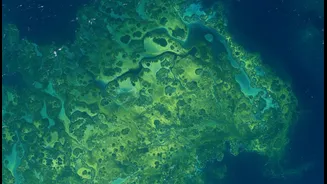
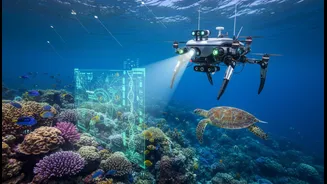
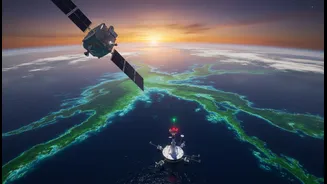
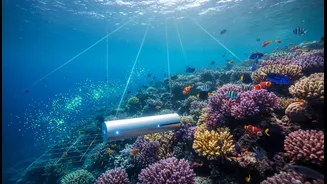
This is where modern ocean tracking comes in. Recent research demonstrates a shift from sporadic sampling to continuous, real-time monitoring using a network of advanced technologies. Earth-orbiting satellites now serve as our first line of defence. Instruments like NASA's TROPOMI can detect the faint glow, or fluorescence, emitted by certain types of algae, even through thin clouds, offering a significant advantage over older methods. This space-based view is complemented by a host of in-water technologies. A coordinated network of buoys, gliders, and autonomous underwater vehicles provides a constant stream of data on water temperature, salinity, oxygen levels, and chlorophyll content. Some new systems use AI and automated photography to identify blooms instantly, while others use sound waves or DNA detection to spot specific toxic species before they become a major problem.
From Early Warnings to Healthy Oceans
This flood of continuous data is a game-changer. It allows scientists to build sophisticated forecast models that can predict where a bloom might form and where it's likely to travel. This provides critical early warnings to public health officials, fisheries managers, and aquaculture farms, allowing them to close beaches or shellfish beds before people get sick and to minimise economic losses. Beyond just prediction, the data helps scientists understand the fundamental triggers of these blooms. By correlating bloom events with specific nutrient levels, temperatures, and currents, researchers can develop more effective long-term strategies to manage the pollution and environmental factors that fuel these toxic tides. Continuous tracking is transforming our ability to manage ocean health from a reactive and often late response to a proactive and predictive science.