


Fortify Your Bag
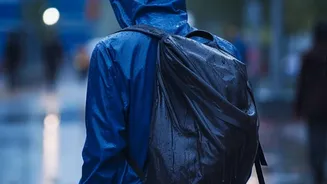
Your first line of defence is your bag itself. If you frequently travel during the rains, investing in a high-quality waterproof backpack is a wise choice. These bags are designed with sealed seams and water-repellent materials that prevent moisture from
seeping through. For a more budget-friendly option, a durable rain cover for your existing backpack works wonders. They are lightweight, easy to store, and can be quickly pulled over your bag during an unexpected shower. Think of it as a raincoat for your belongings, providing an essential external barrier against the elements.
Seal Electronics Individually
Even with a waterproof bag, humidity can be a silent enemy to electronics. The best practice is to double-bag your sensitive gadgets. Simple zip-lock pouches are an inexpensive and highly effective way to protect your phone, power bank, and chargers from both rain and ambient moisture. For larger items like a tablet or laptop, consider a dedicated waterproof sleeve or a dry bag before placing it in your backpack. This compartmentalisation ensures that even if one part of your bag gets damp, your most valuable items remain completely dry and functional.
Embrace the Power of Silica Gel
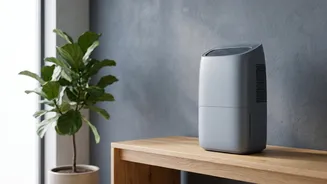
Those little white packets that come in new shoe boxes or with electronics are monsoon packing gold. Silica gel is a desiccant, meaning it absorbs moisture from the air. Tossing a few of these packets into your backpack, camera case, or laptop sleeve can help combat the high humidity that can cause condensation inside your devices. This simple, often-free hack is brilliant for preventing the kind of internal moisture damage that isn't immediately obvious. You can even 'recharge' saturated packets by leaving them out in the sun to dry for a few hours.
Pre-Treat Your Footwear
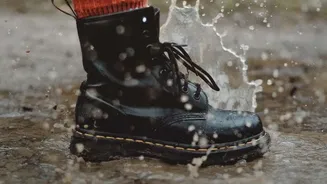
Prevention is always better than a cure, especially for shoes. Before the monsoon begins, treat your footwear with a waterproofing product. For leather, suede, or canvas shoes, a quality waterproofing spray creates an invisible shield that causes water to bead up and roll off instead of soaking in. For a DIY approach on certain materials, applying a thin layer of beeswax or even petroleum jelly can offer a temporary water-resistant coating. Always test the product on a small, inconspicuous area first to ensure it doesn't cause discolouration. This proactive step can save your shoes from water stains and damage.
Clean Mud and Grime Immediately
If you step into a muddy puddle, the worst thing you can do is let the dirt dry. Caked-on mud can be difficult to remove and may leave permanent stains. As soon as you get indoors, use a soft brush or a damp cloth to wipe away any mud and grime. For stubborn dirt in the crevices of your soles, an old toothbrush can be a useful tool. A quick, immediate clean takes only a few minutes and is far more effective than a deep scrub on old, set-in stains.
Master the Art of Drying Shoes
When your shoes get soaked, resist the urge to use direct heat. Placing them near a heater, in direct sunlight, or using a hairdryer can cause the material to shrink, crack, and warp, while also damaging the glue that holds them together. The safest and most effective method is to dry them from the inside out. Start by removing the insoles, if possible. Then, stuff the shoes tightly with crumpled newspaper. The paper will absorb a remarkable amount of moisture. Replace the wet newspaper with a dry set every few hours. For better results, place the stuffed shoes in a well-ventilated area, perhaps in front of a fan to improve airflow.
Banish Odours and Rotate Your Pairs
Damp shoes are a breeding ground for bacteria, which leads to unpleasant odours. Once your shoes are completely dry, you can sprinkle a small amount of baking soda inside and leave it overnight to absorb any lingering smells; just be sure to tap it out before wearing them again. One of the best habits to adopt during the monsoon is to avoid wearing the same pair of shoes every day. Rotating between two or three pairs gives each one ample time—at least 24 hours—to fully air out and dry, which prevents material fatigue and the growth of mould and mildew.