






The Climate and Body Connection
Your body works hard to maintain its core temperature. In hot weather, it expends energy to stay cool, and in cold weather, it burns calories to stay warm. The food you eat can either help or hinder this process. Eating heavy, fatty foods in a tropical
climate can make you feel sluggish, as your body diverts energy to both digest the meal and cool you down. Conversely, relying on light salads in a freezing environment may leave you feeling chilled and lacking energy. The goal is to eat in harmony with the environment, providing your body with the right fuel to adapt comfortably and efficiently.
Eating for the Heat
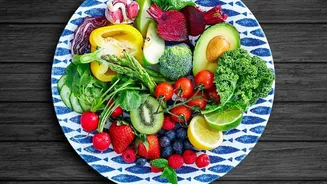
When traveling to a hot and humid destination, hydration is your top priority. Dehydration is a common issue that can lead to fatigue and discomfort. Choose foods with high water content to supplement your fluid intake. Watermelon, cucumber, citrus fruits, and leafy greens are excellent choices. These foods not only hydrate but are also light and easy to digest. Electrolyte-rich options like coconut water and bananas are also beneficial for replenishing minerals lost through sweat. It may seem counterintuitive, but spicy foods can also help you cool down by inducing sweat, which is your body's natural air conditioning system. Try to limit heavy, greasy, and overly sugary meals that can weigh you down and require more energy to digest.
Fueling for the Cold
Cold climates demand more calories as your body burns fuel to maintain its internal thermostat. Focus on complex carbohydrates and healthy fats, which provide slow-release, sustained energy. Hearty, warming meals like soups, stews, and porridges are ideal. Ingredients like root vegetables, potatoes, whole grains such as barley and oats, and lean proteins will keep you feeling warm and satisfied. A chef at Antarctica's Palmer Station recommends beans, grains, and potatoes as go-to ingredients. Don't forget that you still need to stay hydrated in the cold, so sipping on warm beverages or broths throughout the day is a great strategy.
Mastering Meals on the Move
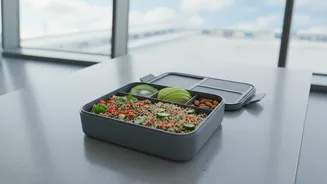
The journey itself also dictates smart food choices. For air travel, the dry cabin air can cause dehydration, while pressure changes can lead to bloating and gas. Opt for light, easily digestible snacks and drink plenty of water. Avoid salty foods, which can worsen dehydration, and large, heavy meals before boarding. For road trips, the challenge is to stay alert and avoid drowsiness. Pack snacks that provide steady energy without a sugar crash. Nuts, seeds, trail mix, protein bars, and fresh fruit with a peel like oranges or bananas are excellent, low-mess options. If you have a cooler, string cheese, yogurt, and hummus with vegetable sticks are great additions.
Portable and Practical Snacks
No matter your destination, having a stash of reliable snacks is crucial. Good travel snacks are portable, not messy, and satisfying enough to bridge the gap between meals. High-protein options are particularly effective at keeping you feeling full for longer. Consider packing items like beef jerky, roasted chickpeas, or single-serving nut butter packets. Whole-grain crackers, granola bars, and dried or freeze-dried fruit are also convenient and travel well. By planning ahead, you can avoid overpriced and often unhealthy airport or gas station impulse buys, ensuring you have nourishing options on hand when hunger strikes.