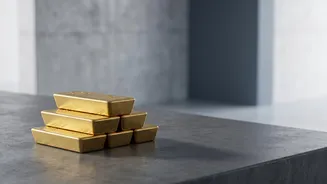








Understanding the Current Price Drop
Recent weeks have seen a noticeable dip in the price of gold, a welcome sight for many after the record highs seen earlier in the year. This decline isn't happening in a vacuum. It's largely driven by global economic factors, primarily a strengthening
US dollar and the expectation of higher interest rates from the US Federal Reserve. When interest rates on other investments rise, gold, which pays no interest, becomes slightly less attractive to large global investors. This shift in sentiment puts downward pressure on prices. The situation is complex, as rising geopolitical tensions often push gold prices up, but for now, the economic factors are having a greater influence.
First, Ask Yourself: Why Are You Buying?
Before you can decide when to buy, you must be clear about why you are buying. The right strategy for someone purchasing jewellery for an upcoming wedding is very different from someone investing in gold as part of their long-term financial plan. A purchase for personal use, like a wedding or festival, is driven by a specific life event and timeline. An investment purchase, on the other hand, is about portfolio diversification and wealth preservation. Your reason for buying is the single most important factor that should guide your decision, far more than trying to predict daily market movements.
For the Wedding and Festive Shopper
If you have a wedding in the family or are planning to buy for festivals like Dhanteras and Diwali, a price dip is certainly a welcome advantage. The primary goal here is to acquire the jewellery you need for a specific date. Trying to perfectly time the absolute bottom of the market is risky; prices could rebound just as quickly as they fell. A more practical approach is to see the current lower rates as a good window of opportunity to make your planned purchase. Many families begin their shopping well ahead of the peak festive season to get better selection and avoid the rush. For these buyers, the falling rates make it a favourable time to act rather than to gamble on further declines.
For the Long-Term Investor
For those buying gold as a financial asset, the mantra is “time in the market, not timing the market.” Gold’s primary role in a portfolio is to act as a hedge against inflation and economic uncertainty over many years. Short-term price volatility is less of a concern. Instead of trying to invest a large lump sum at the lowest possible price, a strategy known as dollar-cost averaging is often recommended. This involves investing a fixed amount of money at regular intervals. By doing this, you buy more gold when prices are low and less when they are high, smoothing out your average purchase cost over time. A falling market is an ideal environment for this strategy, as it allows you to accumulate assets at a better price.
The Temptation to 'Wait and Watch'
It's natural to see falling prices and wonder if they will fall even more. Waiting could mean getting an even better deal. However, this is a gamble. The same global factors causing the price to drop could shift unexpectedly, leading to a sharp rebound. Many analysts caution against trying to “catch a falling knife,” as it’s nearly impossible to predict the exact bottom of a market cycle. For every investor who successfully buys at the lowest point, many others wait too long and miss the opportunity, ending up buying at a higher price than when they started waiting. The risk of waiting is that you may miss the dip entirely.
Beyond Jewellery: Smarter Ways to Invest
If your goal is purely investment, remember that physical gold in the form of jewellery comes with high making charges and GST, which can erode returns. For a more cost-effective and liquid approach, consider modern alternatives. Gold Exchange Traded Funds (ETFs) are units that represent physical gold, which you can buy and sell on the stock exchange like shares. Sovereign Gold Bonds (SGBs) are government securities denominated in grams of gold. They offer an annual interest payment and are tax-free on maturity, making them a highly efficient option for long-term investors, though they can only be purchased in the secondary market now.