


A Taste of Sunshine and Tradition
Across the southern states of India, particularly in Karnataka, Andhra Pradesh, and Tamil Nadu, 'Sandige' are more than just a snack. They are a cherished culinary tradition, a testament to the resourcefulness of our grandmothers, and the very taste of summer.
These sun-dried crisps, often called 'vadam' or 'fryums' in different regions, are made from a variety of ingredients, but the one made from leftover rice (akki sandige) is perhaps the most beloved. It’s a brilliant way to practise a 'no-waste' kitchen philosophy, turning something humble into a gourmet treat that can be stored for months and enjoyed all year round. Making them is a ritual that often involves the whole family, a process that connects us to slower, more deliberate ways of cooking.
The Simple List of Ingredients
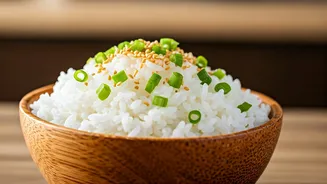
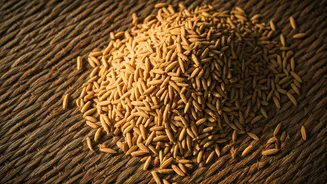
The beauty of rice sandige lies in its simplicity. You don't need any fancy equipment or exotic ingredients. The star of the show is something you already have. Here’s a basic list: - **Leftover Cooked Rice:** About 2 cups. Any plain, non-sticky variety like Sona Masuri works wonderfully. Yesterday's rice is perfect as it tends to be drier. - **Water:** Roughly 4-5 cups, but this may vary depending on your rice. - **Salt:** To taste. - **Flavourings (Optional):** This is where you can get creative. The most common additions are: - 1 teaspoon Cumin seeds (jeera) - 1 teaspoon Sesame seeds (til) - A few Green chillies, ground to a fine paste - A pinch of Asafoetida (hing) - **Oil:** For deep frying.
Step 1: The Porridge-like Batter
The first step is to transform your cooked rice into a smooth, thick batter. Take your leftover rice and grind it in a mixer-grinder with a little bit of water until you get a smooth paste. Don’t add too much water at once; you want a thick consistency. Next, transfer this rice paste to a heavy-bottomed pan. Add the remaining water, salt, and your chosen flavourings like green chilli paste and asafoetida. Mix everything well to ensure there are no lumps. Now, place the pan on medium heat and start cooking. You must stir continuously to prevent the mixture from sticking to the bottom and burning. The batter will slowly thicken. Continue cooking and stirring until it becomes a glossy, translucent, and very thick porridge-like mass. A good test is to see if the ladle stands upright in it. At this stage, stir in the cumin and sesame seeds and turn off the heat.
Step 2: Shaping and Sun-Drying
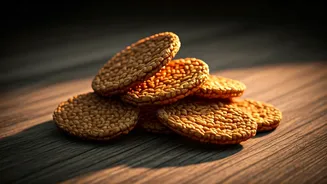
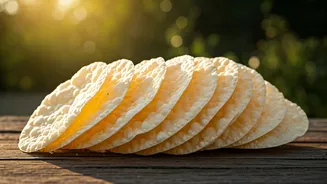
This is the part that signals summer holidays in many households. Traditionally, a clean plastic sheet or a cotton cloth is laid out in a sunny spot, like a terrace or balcony. Once the rice mixture has cooled down just enough to handle, you can start shaping the sandige. You can either use a spoon to drop small, coin-sized dollops onto the sheet, or for a more uniform shape, use a piping bag (or a thick plastic bag with a corner snipped off) to pipe out small star or round shapes. Space them out a little, as they will shrink slightly upon drying. Now, let the sun do its work. The sandige needs to be sun-dried for 2-4 days, depending on the intensity of the sun. They must be bone-dry and brittle, with absolutely no moisture left. You’ll know they are ready when they peel off the sheet easily and feel feather-light. If you live in an apartment or don't have access to direct sunlight, you can try drying them in an oven at the lowest possible temperature for several hours, leaving the oven door slightly ajar.
Step 3: Frying to Crispy Perfection
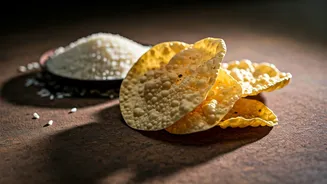
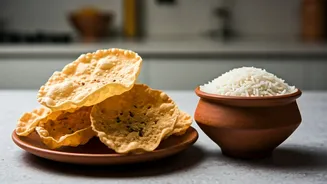
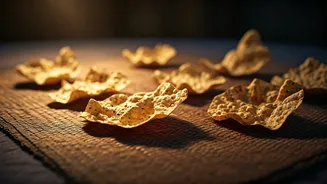
This is the moment of truth. Once your sandige are completely dry, you can store them in an airtight container for months. Whenever you want a crunchy snack, simply heat some oil in a kadai for deep frying. The oil needs to be hot but not smoking. To test, drop a small piece of sandige into the oil. If it sizzles and puffs up immediately, the oil is ready. Carefully drop a handful of sandige into the hot oil. They will instantly puff up, triple in size, and turn a beautiful pale golden colour. This happens in seconds, so be quick! Use a slotted spoon to remove them from the oil and place them on a paper towel to drain any excess oil. Watch in amazement as the small, hard discs transform into large, airy, and ultra-crispy papads.