


Trace the Lines of Recent History
To truly understand modern Europe, step into the places that have shaped its 20th and 21st-century identity. The Balkans, for example, offer a profound lesson in resilience and renewal. Cities like Sarajevo and Mostar in Bosnia and Herzegovina, or Pristina
in Kosovo, are not just historically significant; they are vibrant, welcoming, and tell a powerful story of post-conflict rebirth. Walking trails such as the Via Dinarica, which crosses several nations in the Western Balkans, physically connect landscapes and communities previously divided by conflict, offering hikers a unique perspective on shared heritage and healing. Similarly, exploring the Baltic states of Estonia, Latvia, and Lithuania provides insight into life after Soviet rule, showcasing a fierce and creative spirit in cities like Tallinn and Vilnius.
Follow the Footprints of Industry
The Industrial Revolution was a force that reshaped the continent, and its legacy offers a different kind of travel experience. The European Route of Industrial Heritage (ERIH) connects thousands of sites across the continent, from former coal mines to textile factories. These are not dusty museums but dynamic spaces that tell the story of labour, innovation, and social change. In Germany's Ruhr region, former industrial complexes like the Zollverein Coal Mine Industrial Complex have been transformed into cultural hubs with museums, parks, and event spaces. In the UK, sites like the Ironbridge Gorge in England and the Big Pit National Coal Museum in Wales offer a visceral connection to the world that powered modern Europe. This type of travel adds a layer of understanding about the economic and social foundations that underpin life in Europe today.
Embrace Europe’s Micro-Nations
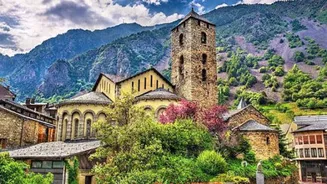
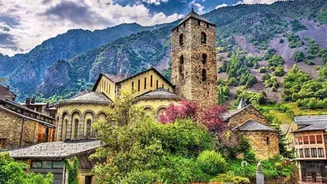
For a concentrated dose of unique culture and history, look to Europe's microstates. Tucked between larger neighbours, nations like Andorra, Liechtenstein, San Marino, and Monaco each offer a distinct identity. San Marino, a tiny republic completely surrounded by Italy, boasts a history stretching back over 1,700 years and a stunning cliff-top capital. Andorra, nestled in the Pyrenees between France and Spain, provides a fascinating glimpse into a culture shaped by its mountainous isolation. These small states are more than just a novelty or a tick on a list; they are living examples of how political and geographical circumstance can forge a unique and resilient national character. A day trip to one of these states provides an unforgettable lesson in sovereignty and survival.
Eat with Historical Intention
Food in Europe is never just food; it's a direct line to a region's history, geography, and soul. To eat with intention is to look beyond tourist menus and ask what a dish says about its home. The use of certain ingredients can tell a story of ancient trade routes, like the spices brought to Eastern Europe by the Ottomans or the Roman introduction of olive oil and wine to France. The divide between the butter-based cooking of the north and the olive oil of the Mediterranean reflects centuries of distinct agricultural and cultural development. Seeking out a dish like goulash in Hungary or pierogi in Poland is to taste the influence of empires and the resourcefulness of home cooks. By exploring local markets, taking a cooking class, or simply asking about the origin of a local specialty, a meal becomes a delicious history lesson.