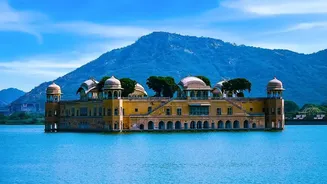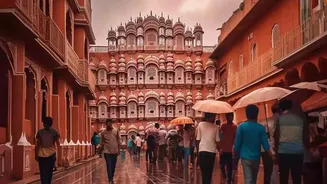


Jaipur is preparing for a remarkable milestone. As the city gears up to celebrate its 300th anniversary in 2027, it has received a prestigious global nod, landing a spot on National Geographic's highly anticipated 'Best of the World 2027' list.
A Global Stamp of Approval
Each year,
National Geographic curates a selective list of 25 destinations that stand out for their unique cultural offerings, natural beauty, and milestone celebrations. For 2027, Jaipur is the sole Indian city to make the cut. The recognition isn't a ranking but an editorial selection highlighting places that offer compelling experiences for the year ahead. The timing is perfect, shining an international spotlight on the Pink City just as it approaches its tricentennial, celebrating three centuries of history, culture, and architectural splendour.
A 300-Year Legacy of Design
Founded on November 18, 1727, by the visionary Maharaja Sawai Jai Singh II, Jaipur stands as one of India's earliest and most ambitious planned cities. Designed by architect Vidyadhar Bhattacharya, its revolutionary grid-iron layout was inspired by a blend of ancient Hindu Vastu Shastra principles and modern Mughal and Western ideas. This ordered structure, with its broad, intersecting streets and large public squares called 'chaupars', was a dramatic departure from the organic, often chaotic, growth of other medieval cities in the region. This exceptional urban planning was a key reason for its Walled City area being inscribed as a UNESCO World Heritage Site in 2019, cementing its status as a living monument to foresight and design.
Why the World Is Watching
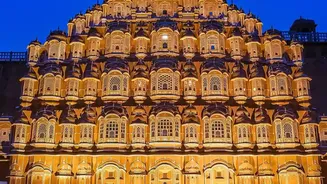
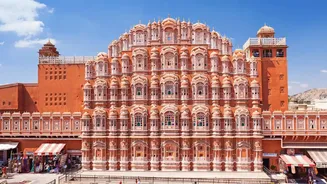
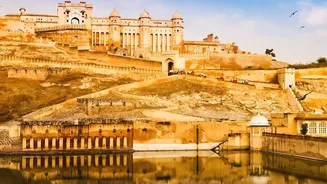
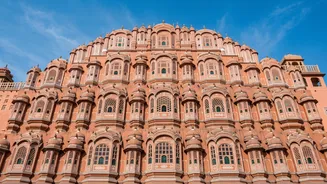
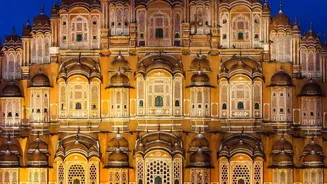
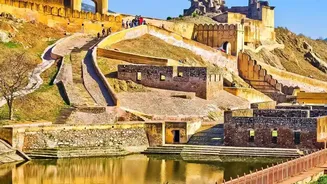
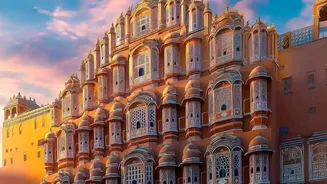
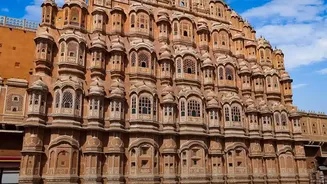
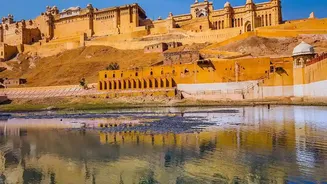
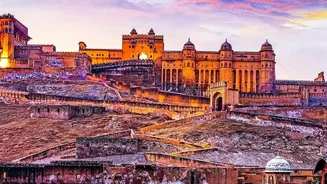
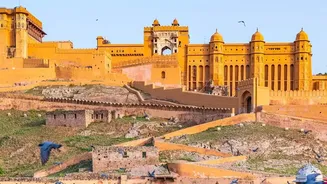
National Geographic's selection highlighted several factors that make Jaipur a must-visit destination. Beyond its foundational history, the city is a treasure trove of architectural marvels that showcase a fusion of Rajput and Mughal styles. Iconic landmarks like the intricate Hawa Mahal, the formidable Amer Fort, and the astronomical wonders of the Jantar Mantar observatory (itself a UNESCO World Heritage site) continue to captivate travellers. The recognition also points to Jaipur's thriving living culture, from its bustling bazaars like Johari and Chandpole to its enduring craft traditions, including block printing, blue pottery, and intricate 'meenakari' enamel work.
Celebrating a Milestone
The 300th anniversary is not just a date on the calendar; it's a city-wide movement. The Rajasthan government and local bodies have been planning a series of commemorative events. Adding to the cultural vibrancy is the 20th edition of the world-renowned Jaipur Literature Festival, scheduled for January 2027, which draws hundreds of thousands of literary enthusiasts. Local trader associations are also launching campaigns focused on heritage conservation, cleanliness, and reinforcing the city's 'Pink City' identity to prepare for the milestone. These initiatives reflect a collective effort to honour Jaipur's past while ensuring its legacy thrives for centuries to come.