


Why Drainage Is Everything
Plant roots need to breathe. Just like us, they require oxygen to function. In a garden bed, a vast expanse of soil allows excess water to drain away naturally. In a pot, however, you have a closed system. When water has nowhere to go, it fills all the tiny
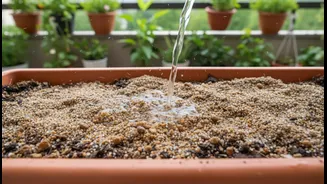
air pockets in the soil, effectively drowning the roots. This lack of oxygen leads to root rot, a fungal condition that causes roots to become mushy, black, and unable to absorb nutrients. The result is a plant that looks thirsty and wilted, even though it's sitting in soggy soil. Proper drainage ensures that water moves through the pot, leaving the soil moist but not waterlogged, creating the perfect balance of air and water that roots need to thrive.
Signs Your Pots Are Waterlogged
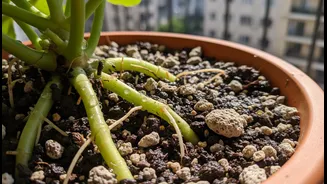
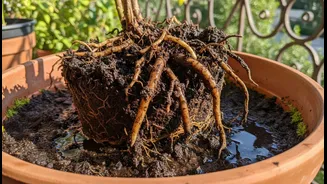
How can you tell if your plants are suffering from poor drainage? The signs are often misleading. The most common symptom is wilting leaves even when the soil feels wet to the touch. Other telltale signs include yellowing leaves, especially lower ones, slow or stunted growth, and a sour or musty smell coming from the soil. You might also see a green film of algae forming on the soil surface or notice an increase in small pests like fungus gnats, which are attracted to damp conditions. If you suspect a problem, gently tip the plant out of its pot. Healthy roots are firm and pale, while rotting roots will be dark, soft, and sometimes slimy.
The Gravel Myth Debunked
For decades, a common piece of gardening advice was to put a layer of gravel, stones, or broken pottery at the bottom of a pot to improve drainage. However, modern horticulture has shown that this practice actually makes the problem worse. Water does not flow easily from a fine-textured material (potting soil) to a coarse-textured one (gravel). Instead, it collects in the soil just above the gravel layer, creating a zone of saturation known as a "perched water table." This raises the waterlogged area higher in the pot, bringing it closer to the plant's delicate roots and reducing the total volume of healthy soil available for growth. The best practice is to fill the entire pot with a high-quality, well-draining potting mix.
Your Immediate Action Plan
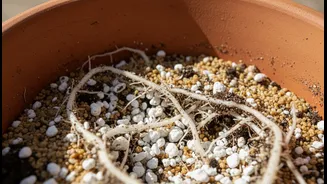
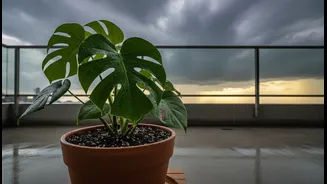
If your pots are waterlogged right now, you need to act fast. First, stop watering. If possible, move the pot to a sheltered area to protect it from more rain. Next, gently tilt the pot on its side and check that the drainage holes are not blocked. Use a stick or a skewer to carefully clear any compacted soil. An immediate trick for very wet pots is to use a wick; push a rolled-up piece of cotton cloth or newspaper into a drainage hole to help draw excess moisture out of the soil. You can also gently poke holes into the soil with a chopstick, avoiding the main root ball, to introduce air and help it dry out. Raising the pot onto 'pot feet' or even a few bricks allows air to circulate underneath, which is crucial for effective drainage.
Long-Term Drainage Solutions
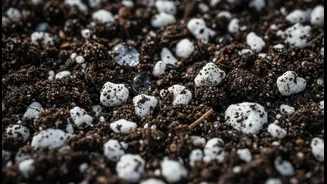
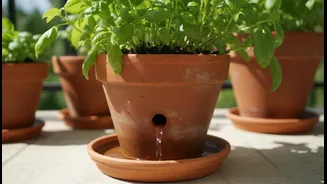
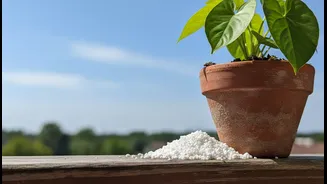
For a thriving balcony garden, think about drainage from the start. Always choose pots with multiple, good-sized drainage holes. If a decorative pot has no holes, either drill them yourself or use it as a 'cachepot' by placing a plain nursery pot inside. The soil itself is your most powerful tool. Avoid using heavy garden soil, which compacts easily. Instead, use a lightweight, high-quality potting mix specifically designed for containers. You can improve any mix by adding materials like perlite, coarse sand, or composted bark to create more air pockets and improve its structure.