




The Kitchen Showdown: Steam vs. Sizzle
In one corner, you have the high-heat, fast-paced world of wok stir-frying. It’s a popular method, especially in Indian-Chinese cuisine, known for creating crisp textures and complex flavours in minutes. In the other corner stands steaming, a gentler
technique that uses moist heat to cook food without added fats or oils. While both methods can produce a delicious meal, they have vastly different effects on the nutritional integrity of your vegetables. When the goal is to get the most health benefits from your food, the science is clear: brief steaming often comes out on top. High-heat methods can degrade the very compounds that make vegetables so good for us.
Understanding Your Vegetable's Superpowers
Vegetables are packed with beneficial plant compounds, many of which are sensitive to heat. Water-soluble vitamins like Vitamin C and B vitamins are notoriously fragile. They can easily leach out into cooking water or be destroyed by high temperatures. Then there are glucosinolates, compounds found abundantly in cruciferous vegetables like broccoli and cabbage. When prepared correctly, they convert into sulforaphane, a powerful substance studied for its anti-cancer properties. Similarly, polyphenols and carotenoids act as antioxidants, protecting our bodies from cellular damage. However, the survival of these valuable nutrients is heavily dependent on how they are cooked.
The Trouble with Intense Heat
While quick, stir-frying involves very high temperatures that can be destructive. Studies show that stir-frying can lead to significant losses of Vitamin C and glucosinolates. One study on broccoli found that frying resulted in an 84% loss of these healthy compounds. The intense heat not only breaks down the compounds themselves but can also destroy the enzymes needed to activate them. For instance, the enzyme myrosinase, which is crucial for forming sulforaphane from glucosinolates in broccoli, is destroyed by high heat. Boiling and even microwaving for just one minute can wipe it out completely. While the fat used in stir-frying can help with the absorption of some fat-soluble vitamins, the overall nutritional loss from the heat often outweighs this benefit.
The Gentle Power of Steaming
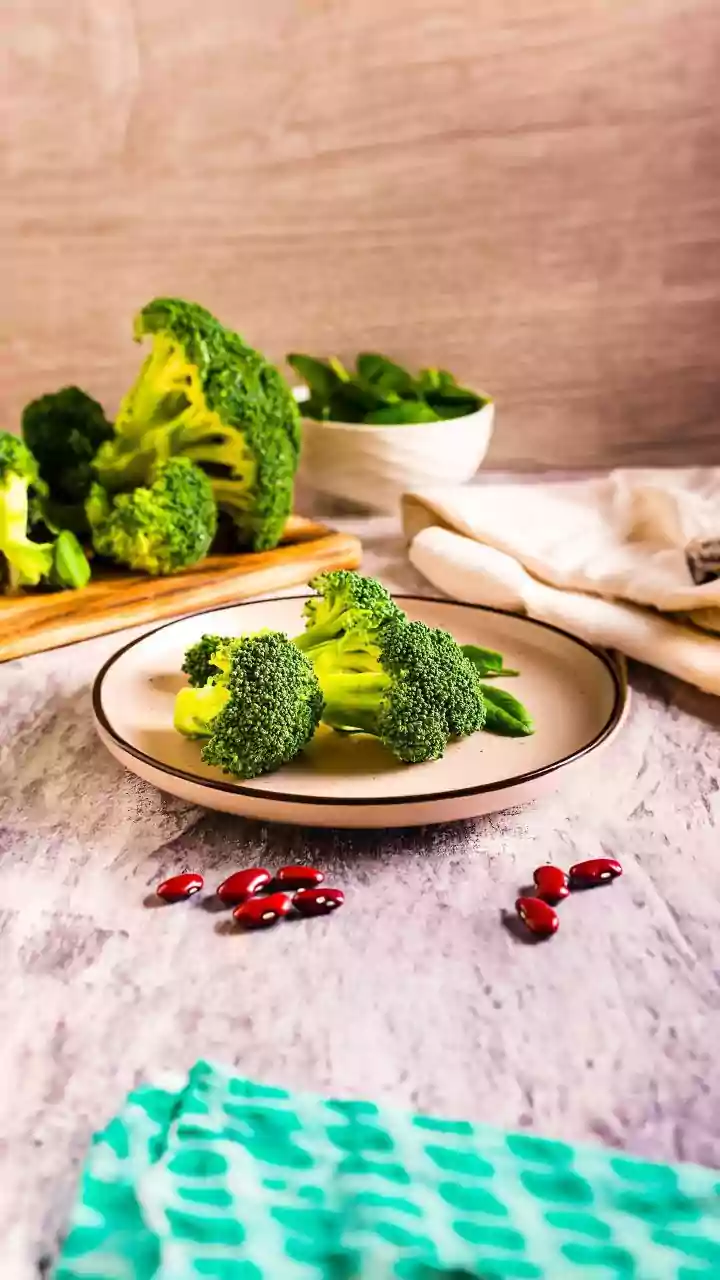
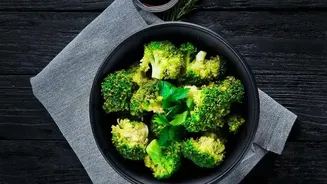
Steaming works by surrounding the food with hot vapour, cooking it gently without submersion in water or exposure to scorching direct heat. This method is incredibly effective at preserving nutrients. Research has shown that steaming is the best cooking method for retaining the chlorophyll, Vitamin C, soluble proteins, and sugars in broccoli compared to microwaving, boiling, or stir-frying. In fact, one study found that steaming broccoli for up to five minutes actually retained the essential myrosinase enzyme needed to form cancer-fighting sulforaphane. Because the vegetables aren't sitting in water, water-soluble vitamins don't have a chance to wash away, which is a major issue with boiling.
Your Guide to Nutrient-Rich Steaming
Getting the most out of steaming is all about technique. The key is to cook the vegetables until they are 'tender-crisp'—still vibrant in colour with a slight bite. Over-steaming can lead to mushy vegetables and nutrient loss, so timing is important. For broccoli florets, 3-5 minutes is often enough. Spinach and other leafy greens may only need 2-3 minutes. Don't overcrowd the steamer basket, as this prevents the steam from circulating properly and leads to uneven cooking. You can add flavour by placing herbs or lemon slices in the water below. Once cooked, a simple drizzle of olive oil and a sprinkle of salt and pepper is all you need for a delicious and nutrient-packed side dish.