





The year 2026 has marked a significant leap in India's global connectivity, with airlines launching a host of new direct international flights. This expansion brings more choices for travellers, but availability varies widely by airline and airport.
A Year of Ambitious Expansion
Indian
aviation has been defined by a major trend in 2026: a concerted push for more point-to-point international flights. Driven by a growing economy, a large diaspora, and an increasing appetite for global travel, both Indian and international carriers have been aggressive in adding new routes. This strategy aims to reduce reliance on traditional hubs in the Gulf and Southeast Asia, offering passengers time savings and greater convenience. Airlines like Air India and IndiGo have been at the forefront, leveraging new aircraft and a clear strategy to connect more Indian cities directly to the world.
Air India's Long-Haul Focus
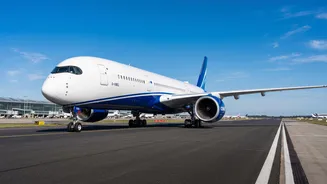
Under its new ownership, Air India has focused heavily on bolstering its long-haul international network. Throughout 2026, the airline has worked to upgrade its fleet, introducing new aircraft with modern cabin interiors, including Premium Economy on key routes like Delhi-Tokyo. It also increased frequencies to destinations such as Toronto. Key route resumptions and additions this year included services like Delhi to Rome and Mumbai to Tokyo (Haneda). Recent developments in November saw the airline resume true non-stop flights to New York and Newark from both Delhi and Mumbai after airspace restrictions were eased, cutting travel time significantly. The carrier is clearly signalling its intent to recapture a larger share of the lucrative India-North America and India-Europe markets.
IndiGo and Others Target New Markets
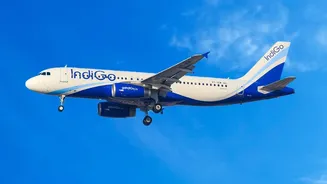
While Air India builds its long-haul credentials, IndiGo has continued to expand its footprint across short and medium-haul international routes. In 2026, the airline launched several key services, including routes to Colombo from Delhi and to Shanghai from Kolkata. Other notable additions from various carriers include a direct flight from Bengaluru to Zurich operated by SWISS, which started in October, enhancing connectivity to Europe from South India. SAS Scandinavian Airlines also re-entered the Indian market with a Mumbai-Copenhagen service. These additions highlight a broader trend of foreign airlines betting on the growth of the Indian market. However, network expansion is dynamic, with IndiGo also adjusting some services to Asia and Europe based on demand and operational factors.
The Rise of Non-Metro Airports
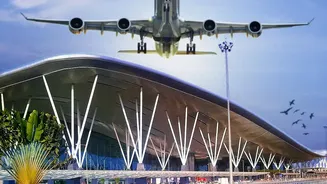
A crucial part of India's 2026 aviation story is the emergence of non-metro airports as international gateways. Cities like Bengaluru and Hyderabad have seen a significant increase in direct overseas flights. Bengaluru's Kempegowda International Airport, for instance, has added new routes to Europe and Southeast Asia, with international departures rising sharply. Hyderabad's Rajiv Gandhi International Airport boasts one of the most extensive international networks for a non-metro city, including direct services to the US and Europe. This decentralisation of international traffic offers huge benefits to travellers outside of Delhi and Mumbai, saving them the hassle of a domestic connecting flight and making international travel more accessible. Even smaller cities like Indore and Guwahati have seen new international services to the UAE and other destinations.
What It Means for Indian Travellers
The expansion of direct flights has tangible benefits for passengers. The most obvious is the time saved by avoiding layovers. Increased competition on many routes is also helping to keep fares in check, although prices still fluctuate based on season and demand. For travellers from Tier-2 cities, the availability of direct international flights means not having to build in a buffer for a domestic connection, reducing travel stress and the risk of missed flights. The introduction of new cabin classes, like Premium Economy by Air India, also provides more choice for comfort and budget. As airlines continue to add capacity and destinations, Indian flyers can look forward to a world that feels closer and easier to explore than ever before.