




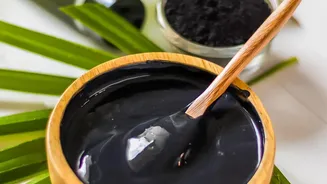
The idea of a chocolate face mask sounds like the ultimate self-care treat. It’s decadent, smells divine, and feels luxurious. But before you dip into this sweet trend, it's wise to ask: Is this actually good for my skin? It's a key question.
The Sweet Appeal of Chocolate on Your Skin
The allure
of using chocolate in skincare isn't just a gimmick. The core ingredient, cacao, is packed with beneficial compounds. Dark chocolate with a high cocoa content (think 70% or more) is rich in antioxidants called flavanols. These powerful molecules help protect the skin from damage caused by environmental stressors and free radicals, which contribute to premature aging. Some studies suggest flavanols can improve blood flow to the skin, which helps with hydration, thickness, and overall complexion. Furthermore, cocoa contains minerals like zinc, which can have anti-inflammatory properties and may help in managing acne. Cocoa butter, a natural fat from cocoa beans, is also an excellent emollient known for its ability to hydrate and nourish the skin, leaving it soft and supple.
Not All Chocolate Is Created Equal
Before you melt down a standard chocolate bar, it's crucial to understand the difference between raw cacao and processed chocolate. The chocolate bars we typically eat are often loaded with sugar, milk solids, and other additives. These ingredients can do more harm than good for your skin. Sugar, in particular, can promote inflammation, which may worsen conditions like acne. For topical application, it is best to use pure, unsweetened cocoa powder. This form provides the antioxidant benefits without the potentially irritating additives found in confectionery chocolate. Essentially, what makes chocolate a tasty treat is often what makes it unsuitable for direct use on your face, especially if you have sensitive or acne-prone skin.
The Risk for Sensitive Skin
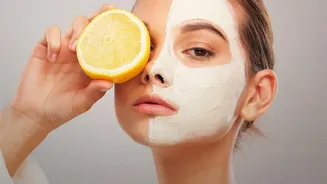
For those with sensitive skin, a DIY chocolate mask can be a risky experiment. While pure cocoa is generally considered safe, it can still trigger allergic reactions in some individuals, leading to redness, itching, or rashes. The real danger often lies in the other ingredients mixed into homemade masks. Many popular online recipes call for ingredients that dermatologists warn against. For instance, lemon juice is highly acidic and can disrupt your skin’s natural barrier, causing chemical burns and increased sun sensitivity. Baking soda is another common culprit; its alkaline nature can strip the skin, leading to severe dryness and irritation. Even some natural ingredients like certain spices or essential oils can be potent irritants. Always perform a patch test on a small area, like your jawline or inner arm, before applying any new mixture to your entire face.
Crafting a Safer Homemade Mask
If you decide to proceed, choosing the right companion ingredients is key to a successful and safe experience. The goal is to complement cocoa's benefits without causing irritation. Good ingredients to consider include honey, which has natural antibacterial and antiseptic properties that can be helpful for acne-prone skin. Plain yogurt is another excellent choice; it contains lactic acid, a mild alpha-hydroxy acid (AHA) that gently exfoliates the skin, unclogs pores, and can help smooth fine lines. For extra hydration, a small amount of avocado or olive oil can be beneficial, though those with oily skin should use oils cautiously. Combining unsweetened cocoa powder with one or two of these skin-friendly ingredients creates a much safer and more effective mask than one using harsh kitchen staples.
A Simple, Skin-Friendly Recipe
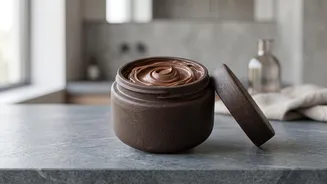
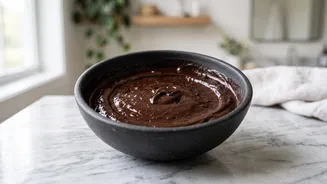
Here is a basic recipe designed to be gentle yet effective. Remember to patch test first. Mix one tablespoon of pure, unsweetened cocoa powder with one tablespoon of plain, full-fat yogurt. Add one teaspoon of raw honey and stir until you have a smooth, consistent paste. Apply a thin layer to your clean, dry face, avoiding the delicate eye area. Let the mask sit for about 10–15 minutes. It’s normal to feel some mild tingling, but if you experience any burning or significant discomfort, rinse it off immediately. To remove, use a soft, damp cloth and warm water, gently wiping away the mask. Finish by rinsing with cool water and applying your usual moisturizer to lock in hydration.