



The Monsoon's Deceptive Goodbye
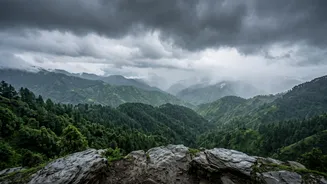
September isn't truly 'post-monsoon' but rather the period of 'monsoon withdrawal'. According to the India Meteorological Department (IMD), this process is gradual and starts from the northwestern parts of India around the beginning of the month. This
transition can be highly unpredictable. While one day might offer clear blue skies, the next can bring sudden, intense downpours. Recent forecasts for September 2026 show that active monsoon conditions, with widespread rainfall, are expected to continue into the first week of the month across Himalayan states like Uttarakhand and Himachal Pradesh. This lingering moisture means travellers should not mistake a few sunny days for a completely stable weather window.
The Lingering Threat of Landslides
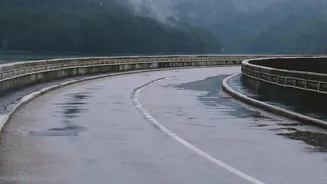
The single greatest danger in the hills during September is landslides. After months of relentless rain, the soil on mountain slopes is completely saturated. Even without active rainfall, this unstable ground can give way. Sudden, heavy showers on this weakened terrain significantly increase the risk of mudslides and rockfalls. In early September 2026, advisories have already been issued for Himachal Pradesh and Uttarakhand, warning residents and tourists to avoid landslide-prone areas. Reports from September 1st noted 98 blocked roads in Himachal due to rain and landslides. The danger is not just at your destination but, more critically, on the roads leading there. Stretches in Kullu, Manali, Shimla, and along pilgrim routes in Uttarakhand are particularly vulnerable.
Flash Floods and Dangerous Water Crossings
Intense bursts of rain, often called cloudbursts, can turn small streams and dry riverbeds (nullahs) into raging torrents within minutes. The IMD has specifically flagged the risk of flash floods for several districts in Uttarakhand and Himachal Pradesh for early September. Tourists are often caught off-guard by the speed at which water levels can rise. Experts and local guides repeatedly warn against driving through water that is flowing across a road, as it is impossible to judge the depth or the force of the current from inside a vehicle. Authorities consistently advise everyone to stay away from riverbanks and streams during this period, as the risk of being swept away is dangerously high.
How to Plan for a Safer Trip
If you still plan to travel, flexibility and caution are paramount. Local travel experts suggest that the latter half of September is generally safer than the first two weeks, as the monsoon has had more time to recede. Before you leave, check the latest advisories from the IMD and local district authorities. Build buffer days into your itinerary; a journey that should take six hours could easily be delayed by a road closure. It is strongly recommended to avoid driving at night, as fog, rain, and the risk of unseen debris make it extremely hazardous. When booking, opt for flexible reservations for hotels and transport. Pack for a range of conditions, including rain gear and warm layers, and always keep emergency supplies like water, snacks, and a power bank in your vehicle.