



Why July is a Critical Month
The monsoon season in India creates the perfect storm for mosquito populations to surge. The increased humidity extends their lifespan, while frequent rains provide endless opportunities for stagnant water to collect. This isn't just a nuisance; it's
a significant health concern. Mosquitoes are vectors for serious diseases like dengue, malaria, and chikungunya, which see a sharp rise during this period. The Aedes mosquito, which spreads dengue and chikungunya, particularly thrives in clean, stagnant water—the very kind that can collect in and around our homes. Health officials across the country are already on high alert, with thousands of dengue cases reported in the early part of 2026, prompting calls for heightened vigilance and community participation in prevention efforts.
The Unseen Danger in Your Garden
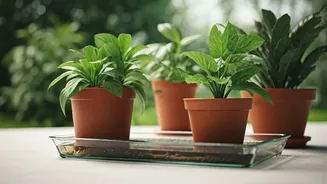
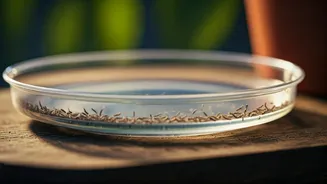
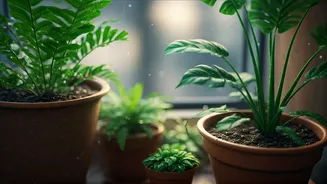
Your beautiful collection of plants could be inadvertently creating a mosquito nursery. The most common mistake is allowing water to accumulate in the saucers or trays beneath pots. Even a tiny amount of standing water, as little as what a bottle cap can hold, is enough for mosquitoes to lay eggs, which can hatch in as little as 24 to 48 hours. Overwatering plants, especially when the monsoon has already kept the soil moist, contributes to waterlogged conditions that attract pests. Other culprits include decorative pots without drainage holes, clogged drains on balconies, and any forgotten buckets, cans, or containers in your garden space that can collect rainwater.
Adopt a Mosquito-Smart Plant Care Routine
The most effective way to combat mosquitoes is to eliminate their breeding grounds. Make it a weekly habit to empty any water from the trays under your plant pots. Ensure all your pots have adequate drainage holes to prevent water from stagnating in the soil. Instead of leaving trays to collect overflow, you can add a layer of sand or gravel, which will absorb excess water without creating a puddle. When watering, check that the top layer of soil is dry to the touch to avoid overwatering. Finally, regularly clear your balcony or garden area of any fallen leaves or debris that could clog drains and cause water to pool.
The Truth About Mosquito-Repellent Plants
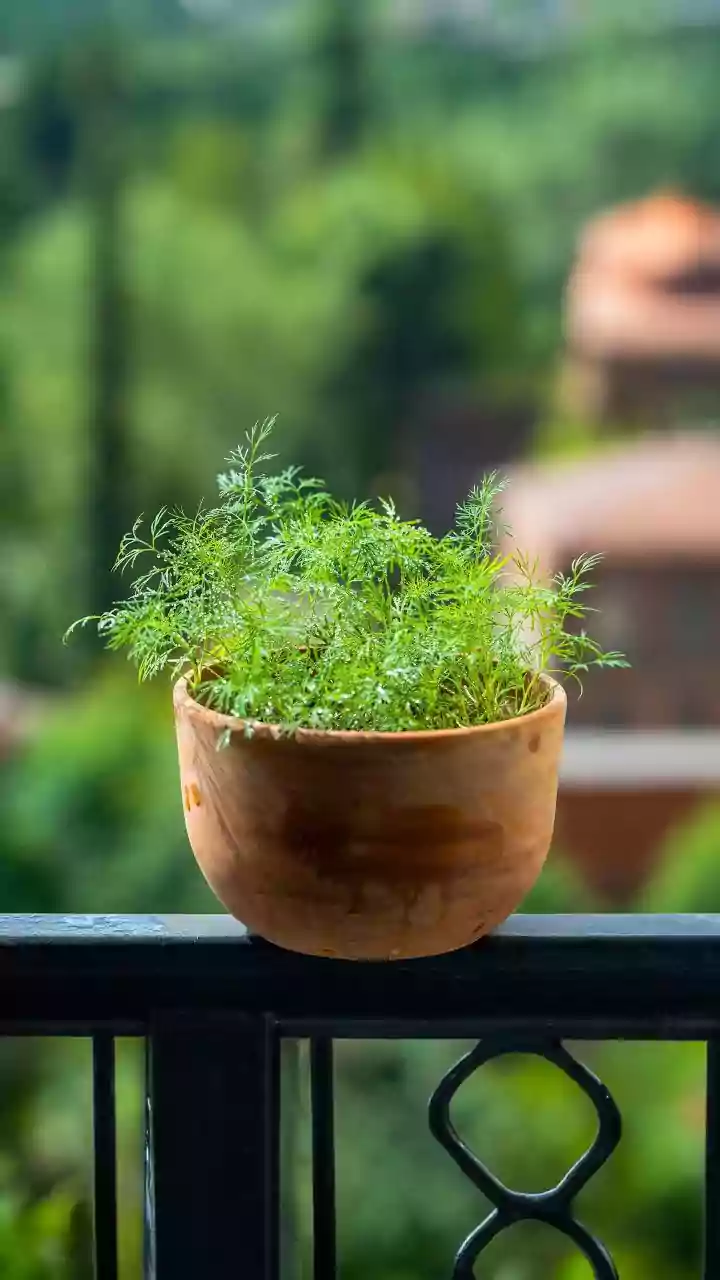
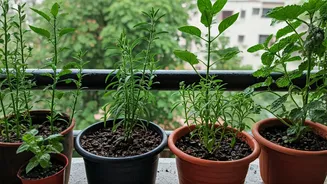
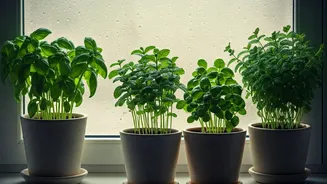
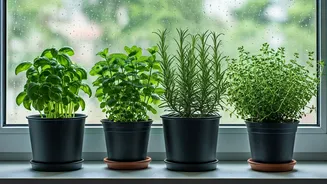
Many of us grow plants like citronella, lemongrass, marigold, and tulsi with the hope of warding off mosquitoes. While these plants do contain aromatic compounds that mosquitoes dislike, their effectiveness is often misunderstood. Simply having these plants in a pot is not a magic shield. The repellent oils are released only when the leaves are crushed, bruised, or the wind is strong enough to diffuse their scent. For them to have a noticeable effect, you need to plant them in dense clusters near high-traffic areas like windows and patio doors. Plants like basil, mint, and rosemary are also known to have repellent qualities and can be great additions to your kitchen garden, but they work best as part of a broader prevention strategy.
A Complete Defence Strategy
Relying on plants alone is not enough. For comprehensive protection, combine your gardening efforts with other proven methods. Use physical barriers like mesh screens on windows and doors to keep mosquitoes from entering your home. When spending time outdoors, especially during dawn and dusk when mosquitoes are most active, consider using a personal mosquito repellent. It's also important to keep your surroundings clean and ensure there are no larger sources of stagnant water in your immediate vicinity, like blocked gutters or untended water tanks. Community-wide efforts are crucial, and your responsible gardening is a key part of that.