

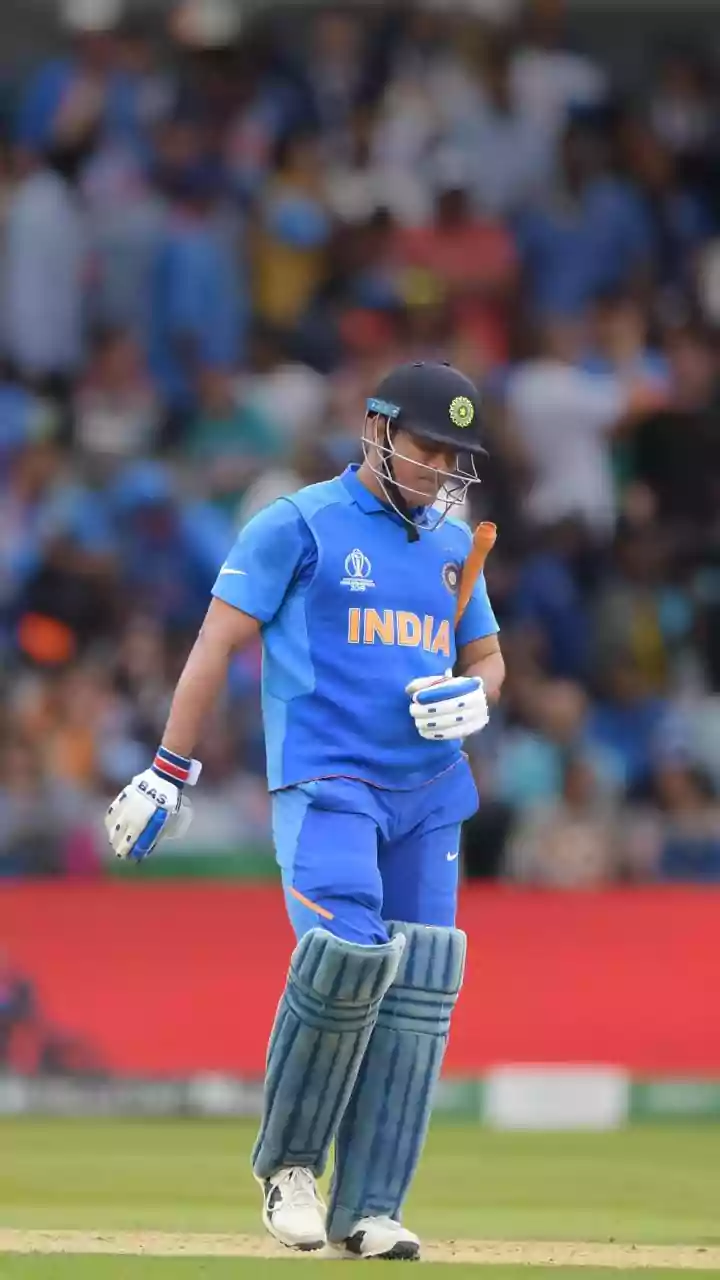

The Stage for a Revolution
The year was 2007, and the world of cricket was witnessing a revolution: the inaugural ICC World Twenty0. After a dismal exit from the 50-over World Cup earlier that year, India sent a young, unheralded team to South Africa. The senior stalwarts—Sachin
Tendulkar, Sourav Ganguly, and Rahul Dravid—had opted out. Leading this new-look side was a long-haired, 26-year-old wicketkeeper-batsman from Ranchi: Mahendra Singh Dhoni. Few expected much from a team that had played only one T20 international before the tournament. Yet, they blazed through the competition, powered by Yuvraj Singh's historic six sixes in an over and a collective, fearless energy. Their surprising run culminated in a dream final against arch-rivals Pakistan, setting the stage for one of cricket's most dramatic conclusions.
A Final Over Standoff
Johannesburg's Wanderers Stadium was a cauldron of tension on September 24, 2007. India, after batting first, had posted a modest 157, thanks largely to Gautam Gambhir's crucial 75. Pakistan's chase was faltering until Misbah-ul-Haq played a lone hand, keeping his team in the hunt. The equation came down to the final over: Pakistan needed 13 runs to win, with just one wicket in hand. Misbah, the cool-headed veteran, was on strike. He had already hit the experienced Harbhajan Singh for sixes and looked capable of taking his team home. The moment had arrived for Dhoni to make the most important decision of his young captaincy career.
The Unthinkable Choice
The obvious choice to bowl the final over was Harbhajan Singh, a seasoned spinner with one over left. The other option was Joginder Sharma, a relatively unknown medium-pacer who had been expensive. To the astonishment of everyone watching, Dhoni tossed the ball to Joginder. It was a monumental gamble. Trusting an inexperienced bowler in the most high-pressure situation imaginable, against a set batsman, was counter-intuitive. But Dhoni had his reasons. Misbah had found his rhythm against Harbhajan's spin, and Dhoni backed his gut. He walked up to Joginder, calmly told him not to take any pressure, and assured him that he would take full responsibility for the outcome, win or lose.
A Nation Holds Its Breath
The over began with a wide, sending a wave of panic through Indian fans. The next delivery was a dot. Then, Joginder bowled a full toss, and Misbah dispatched it for a massive six straight down the ground. Pakistan now needed just 6 runs from 4 balls. The trophy seemed to be slipping from India's grasp. As the pressure mounted, Misbah made his move. Expecting another full delivery, he shuffled across his stumps to play his trademark scoop shot over the short fine-leg fielder. But Joginder, having seen the shuffle, cleverly took pace off the ball. The shot was mistimed. The ball went high into the air, and for a moment, the world seemed to stop. Sreesanth, positioned perfectly inside the circle, settled under it and held on. India had won.
The Birth of a Legend
That single decision did more than just win India the inaugural T20 World Cup. It defined the MS Dhoni era. It was the first, and perhaps most famous, example of his uncanny ability to stay calm under immense pressure, trust his instincts over convention, and empower his players. This victory kickstarted the T20 revolution in India, paving the way for the creation of the Indian Premier League (IPL) a year later. The win established Dhoni as 'Captain Cool', a leader who made audacious gambles that, more often than not, paid off spectacularly. He would repeat this pattern throughout his career, most notably by promoting himself up the batting order in the 2011 ODI World Cup final—another gamble that resulted in a World Cup-winning six. But it was the Joginder Sharma moment that first etched the Dhoni mystique into cricketing folklore.