



The Journey from BS-VI to What's Next
India took a significant environmental leap in 2020 by transitioning directly from BS-IV to the far stricter BS-VI emission standards. This move dramatically reduced permissible levels of sulphur in fuel and tightened limits on nitrogen oxides (NOx) and particulate
matter (PM) from vehicle exhausts. It was a crucial step that brought Indian regulations closer to global benchmarks. However, the battle for cleaner air requires constant evolution. The government has now released draft proposals for the next stage: Bharat Stage VII (BS-VII). These rules are not just an incremental tightening of existing limits but represent a fundamental shift in how vehicle pollution is measured and managed over a car's entire lifespan.
Real-World Testing: Closing the Lab-to-Road Gap
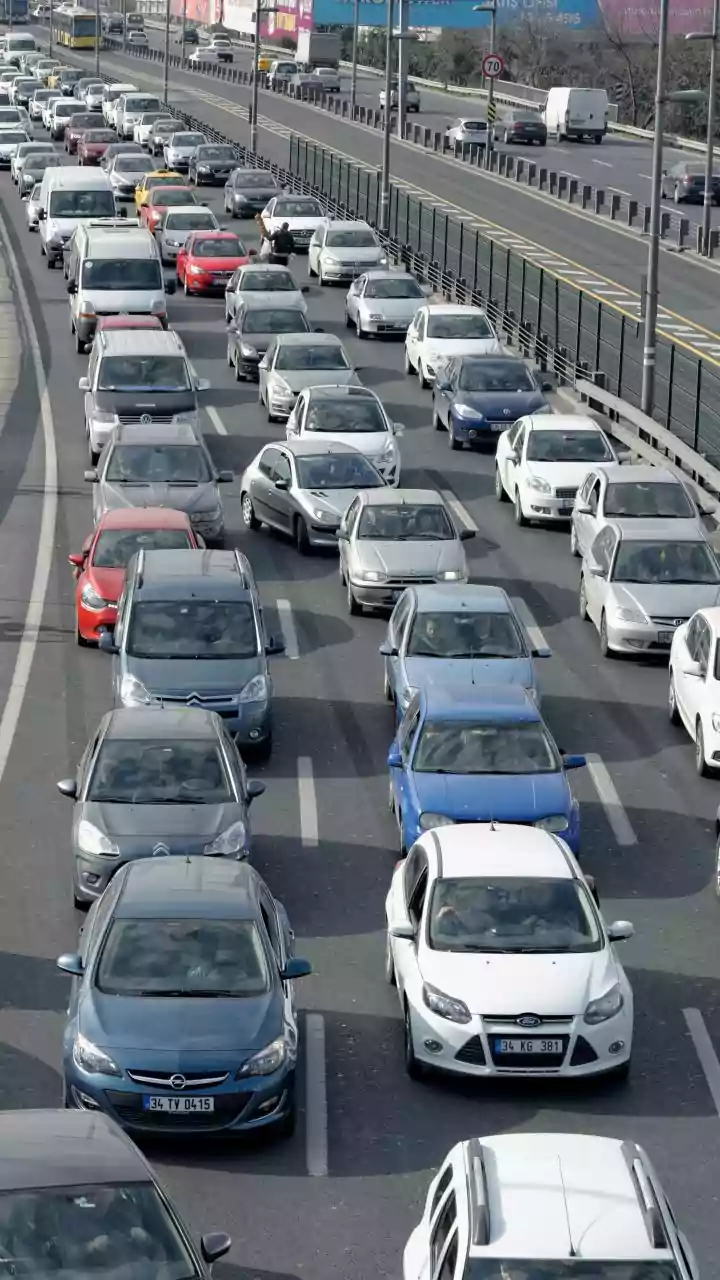
A major focus of the proposed BS-VII norms is to address the well-known gap between how a car performs in a controlled laboratory test and how it pollutes on actual roads. Traditional testing can't fully replicate the variables of real-world driving, such as traffic congestion, varied acceleration, and different road conditions. To solve this, BS-VII will mandate comprehensive Real Driving Emissions (RDE) testing. This involves fitting vehicles with Portable Emission Measurement Systems (PEMS) to monitor pollutants like NOx and particulates while the car is actually being driven. The proposal sets a strict conformity factor of 1.0, meaning the real-world emissions cannot exceed the lab limits, ensuring that vehicles are clean in practice, not just on paper.
A New Frontier: Regulating Brake and Tyre Pollution
For the first time in India, vehicle pollution regulations will look beyond the engine. The BS-VII draft introduces limits on non-exhaust emissions, specifically particulate matter generated from brake wear and tyre abrasion. This is a critical development because these particles contribute significantly to urban air pollution and are produced by all vehicles, including electric ones. According to the draft, starting from April 2031, limits for brake particle emissions will be introduced, set at 7 mg/km for conventional and hybrid cars and a stricter 3 mg/km for pure electric vehicles, which use their brakes less due to regenerative braking. By 2035, a single, tougher limit of 3 mg/km is proposed for all passenger vehicles.
Smarter Vehicles with On-Board Monitoring
To ensure vehicles remain compliant throughout their service life, the BS-VII proposal enhances onboard diagnostic systems. While BS-VI introduced On-Board Diagnostics (OBD) to detect faults, the new rules call for an On-Board Monitoring (OBM) system. This system will continuously measure and record actual NOx and particulate emissions, flagging when they exceed the prescribed limits by a certain margin. Furthermore, this data, along with real-time fuel and energy consumption information, is proposed to be accessible through the OBD port and eventually via over-the-air (OTA) methods, allowing for greater transparency and easier compliance checks.
What Does This Mean for Car Buyers and the Industry?
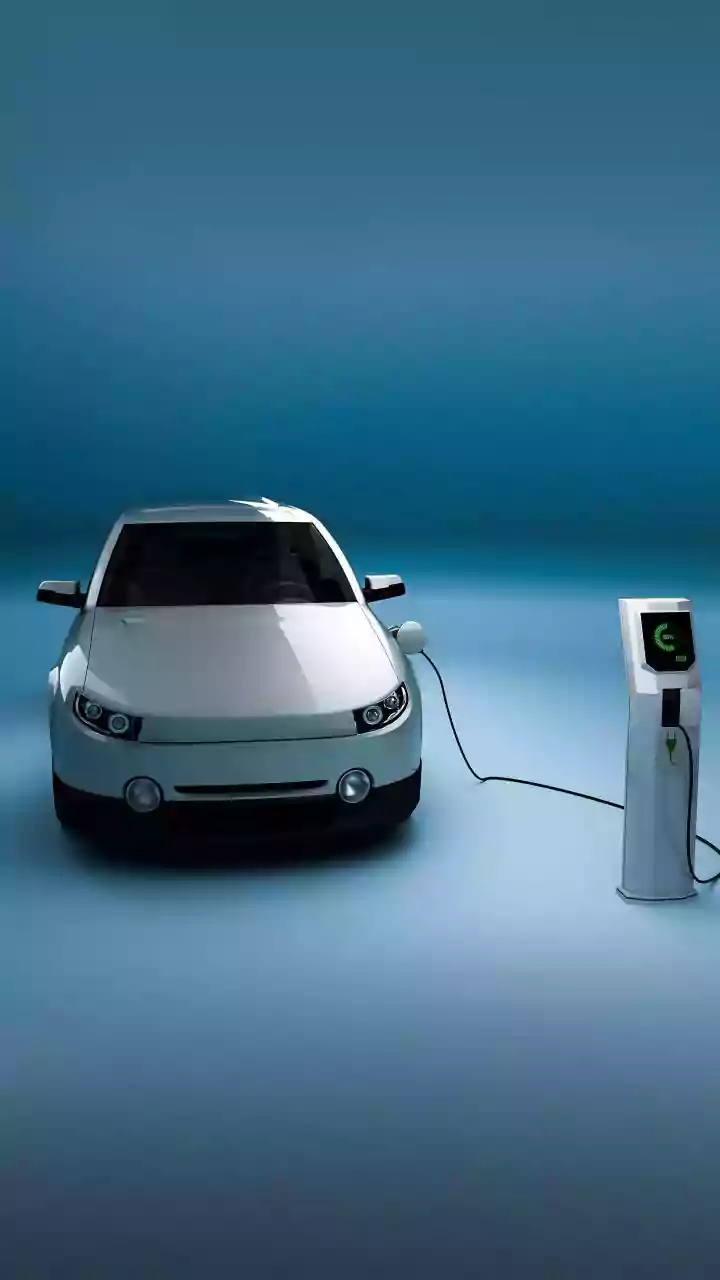
The proposed BS-VII norms are scheduled for a phased rollout, beginning with passenger cars from April 2029. For consumers, this will likely mean access to cleaner, more technologically advanced vehicles with better long-term emission performance. The regulations also propose durability requirements for EV batteries, ensuring they retain a significant percentage of their capacity over several years or kilometres driven. For the automotive industry, these changes present a significant engineering challenge, requiring investment in new technologies for both engine and non-exhaust systems. Automakers have expressed concerns about the timeline, noting it could disrupt product development cycles, particularly for electric vehicles. However, the ultimate goal is a healthier environment and vehicles that are cleaner for their entire operational life, not just on the day they leave the showroom.