


The Great Festive Fare Squeeze
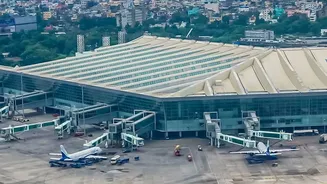
Planning to fly home for Diwali or Christmas this year? You’re not alone, and airlines know it. Travellers are reporting shocking price hikes, with some one-way tickets on popular domestic routes costing more than a return flight to London. For example,
a one-way flight from Mumbai to Patna for the period around Diwali and Chhath has been seen listed for over ₹25,000. Similarly, fares on routes like Bengaluru to Patna and Mumbai to Varanasi have also seen dramatic increases. According to a recent survey, more than half of flyers reported paying over 50% more for their festive travel this year compared to 2025. The surge isn't just for Diwali; fares also spiked during the Dussehra and Durga Puja travel period, with some last-minute tickets on routes like Chennai to Mumbai reportedly hitting ₹30,000.
Why Your Flight Costs So Much
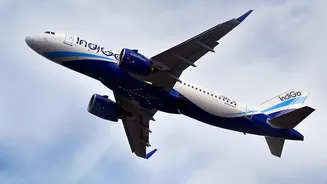
This year's price surge is a perfect storm of high demand and tight supply. A primary culprit is the rising cost of Aviation Turbine Fuel (ATF), which makes up a huge chunk of an airline's operating expenses. These increased costs are inevitably passed on to passengers. Compounding the issue is a mismatch between demand and capacity. While the desire to travel is stronger than ever, some major airlines have actually reduced their seat capacity compared to last year. IndiGo and Air India, two of the country's largest carriers, have fewer seats available this festive season, partly due to operational restructuring and delays in aircraft deliveries. Airlines also use dynamic pricing, where fares increase automatically as seats fill up, penalising those who book late.
The Art of the Adapted Budget
Despite the sticker shock, the determination to travel remains strong. Indians are simply getting smarter and more flexible with their booking strategies. The most common tactic is booking well in advance, with experts suggesting a window of 60-90 days before the travel date for the best prices. Another popular strategy is to embrace flexibility. Flying a day or two before or after the peak festive date can result in significant savings. Some travel portals note that flying on the day of Diwali itself can be 20-40% cheaper than travelling on the preceding weekend. Travellers are also increasingly choosing no-frills budget carriers over full-service airlines, sacrificing a complimentary meal to save a few thousand rupees.
Rise of the Flexible and Spontaneous Traveller
Flexibility now extends beyond just dates. A growing number of flyers are booking tickets to a cheaper, nearby Tier-2 airport and completing the last leg of their journey by road or rail. This willingness to combine different modes of transport is becoming a key budgeting tool. At the same time, another trend is emerging: short, spontaneous trips. Instead of one long holiday, many, especially younger Gen Z travellers, are opting for multiple short weekend getaways. Booking data from hostel chains shows a significant number of travellers are booking their stays within a week, or even on the day of travel, suggesting a more impulsive approach to festive breaks.
Alternatives to Air Travel Gain Traction
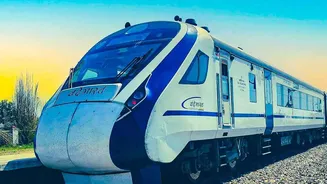
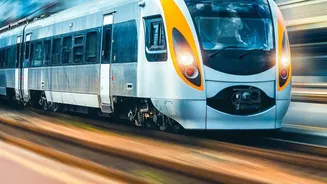
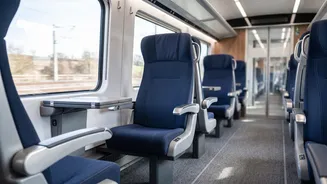
The steep rise in airfares is naturally pushing many to reconsider other forms of transport. Indian Railways has announced thousands of special trains to manage the festive rush, connecting major hubs like Bihar, Uttar Pradesh, and West Bengal with metro cities. For shorter distances, intercity buses are also seeing a major boom. In South India, for instance, bus demand on key routes is up 30-50% during the festive period as people travel to their hometowns. The rollout of new electric bus routes, such as between Nagpur and Chandrapur, is also providing more comfortable and sustainable options for intercity travel. While trains and buses may mean longer travel times, for many, the cost savings are well worth it.