





Why Scent Isn't Enough
A flower’s fragrance is a powerful invitation, signalling to pollinators that a potential meal is nearby. However, not all fragrant flowers are good hosts. Many modern, highly cultivated varieties, especially "double flowers" with dense, fluffy petals,
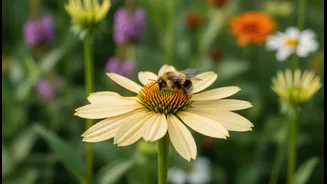
have been bred for appearance and scent at the expense of function. These beautiful blooms often have their stamens (the pollen-producing parts) and nectaries (the nectar-producing parts) mutated into extra petals. The result is a flower that smells wonderful but offers little to no accessible pollen or nectar, forcing pollinators to waste precious energy on a fruitless visit.
The Golden Rules of Pollinator Gardening
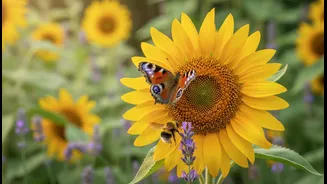
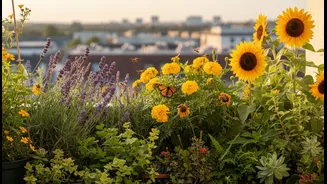
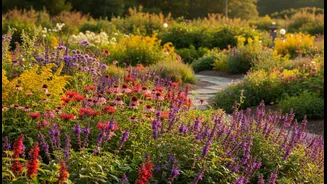
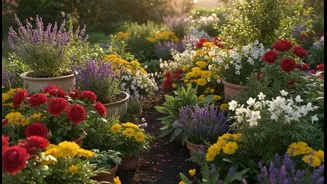
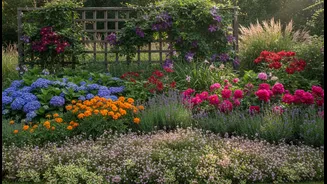
To create a truly supportive habitat, think beyond just fragrance. The most effective pollinator gardens provide diversity and reliability. Prioritize native plants, as they have co-evolved with local pollinators and are best suited to meet their nutritional needs. A study has shown that native plants can be four times more attractive to pollinators than non-native ones. Offer a variety of flower shapes and sizes to cater to different visitors—from tiny bees to large butterflies. Finally, ensure your garden offers continuous blooms from spring through fall, providing a consistent food source throughout the seasons.
Fragrant Stars for an Indian Garden
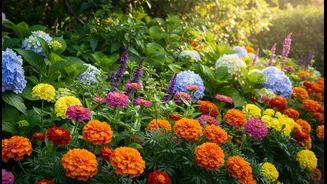
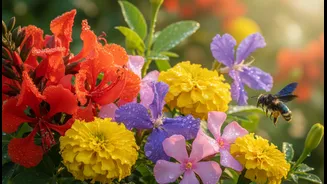
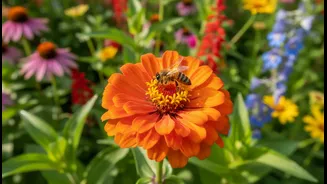
For a garden in India that is both aromatic and alive with activity, consider these pollinator-friendly powerhouses. Jasmine, in its many beloved forms like Mogra and Chameli, offers a classic, intoxicating scent and is a favourite of bees and butterflies. Marigolds (Genda) are not only auspicious but their earthy scent and bright blooms attract a host of helpful insects; opt for the single-petal varieties for easier access to pollen. Don't overlook the humble Tulsi (Holy Basil); its small, fragrant flowers are a magnet for countless small native bees. Sweet Alyssum, with its delicate, honey-like fragrance, is perfect as a ground cover and attracts tiny beneficial insects.
Gardening for the Night Shift
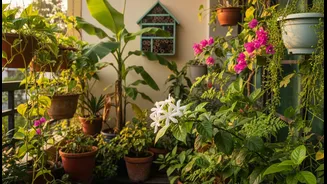
Pollination doesn't stop when the sun goes down. A host of nocturnal creatures, especially moths, take over the night shift. You can support them by planting flowers that release their fragrance after dark. The legendary Raat ki Rani (Night-blooming Jasmine) produces an incredibly powerful, sweet perfume that can fill an entire garden and is a favourite of nighttime visitors. Moonflower, a type of climbing vine, unfurls its large, luminous white blooms at dusk, releasing a gentle, captivating scent. Parijat (Coral Jasmine) is another treasured night-bloomer, known for its intensely fragrant flowers that drop in the morning.
Beyond the Blooms: Creating a Full Habitat
A successful pollinator garden offers more than just flowers. One of the most critical steps is to eliminate the use of chemical pesticides, which can be lethal to pollinators. Instead, manage pests by hand-picking them or using natural deterrents like soap sprays. It's also important to provide a source of water. A shallow dish filled with water and some pebbles or marbles for landing spots can be a lifesaver for thirsty insects. Finally, resist the urge to keep your garden perfectly tidy. Leaving a small pile of twigs or a patch of bare earth provides crucial shelter and nesting sites for many species of native bees and other beneficial insects.