







The Problem with Quick Fixes
In a world of instant gratification, fad diets that promise quick, dramatic weight loss are incredibly tempting. They often involve cutting out entire food groups, relying on shakes, or following complex rules. While these methods can lead to a drop on the scale,
it's often due to water and even muscle loss, not sustainable fat reduction. The restrictive nature of these diets makes them difficult to maintain. This often leads to a cycle of losing and regaining weight, sometimes called "yo-yo dieting," which can negatively impact metabolism and emotional well-being. Research consistently shows that after an initial period, most people find it hard to adhere to such strict plans, eventually returning to old habits and regaining the weight they lost.
Adherence: The Unsung Hero of Weight Loss
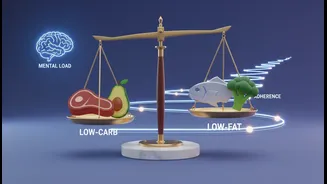
The conversation around dieting often focuses on what to eat—low-carb, low-fat, keto, or plant-based. However, multiple studies suggest that adherence, or the ability to stick to a plan long-term, is a stronger predictor of success than the specific type of diet. A 2005 study published in JAMA, for example, found no significant difference in weight loss between popular diets like Atkins, Zone, and Ornish. The key factor was how long a person could adhere to any of them. More recent research supports this, indicating that while many dietary paths can lead to weight loss, the most successful individuals are those who find a plan they can follow consistently. The combination of a high-quality diet and high adherence yields the best results.
What Makes a Diet 'Maintainable'?
A sustainable eating plan is less about rigid rules and more about a flexible framework that fits your life. Key characteristics include balance, enjoyment, and practicality. A diet you can maintain doesn't require you to give up your social life or feel constant deprivation. It includes a variety of foods you genuinely enjoy, focusing on whole foods like fruits, vegetables, lean proteins, and whole grains. It should also be affordable and accessible. Complexity is another factor; if a diet requires constant, complicated tracking, people are more likely to abandon it. Ultimately, a sustainable approach is one that doesn't feel like a temporary punishment but a permanent, positive shift in how you eat.
From 'Diet' to 'Lifestyle'
The most significant shift for long-term success is moving from a "dieting" mindset to a "lifestyle" approach. Dieting implies a temporary state with an end date, after which you can return to 'normal' eating. A lifestyle change, however, is about building healthy habits that become automatic. This involves more than just food; it includes regular physical activity, managing stress, and getting enough sleep. It also requires a mental shift towards self-compassion and a focus on progress, not perfection. The National Weight Control Registry, which tracks individuals who have successfully lost weight and kept it off, found that these maintainers consistently engage in behaviors like regular exercise, eating breakfast, and self-monitoring.
Finding Your Personalised Plan
There is no single best diet for everyone. The most effective plan is one that is tailored to your health status, preferences, and daily realities. Start by making small, manageable changes rather than a complete overhaul. You might focus on adding a vegetable to every dinner or swapping sugary drinks for water. Pay attention to how different foods make you feel and identify eating patterns that are triggered by emotions or environment. Instead of eliminating foods you love, learn to enjoy them in moderation. Building a support system of friends, family, or a professional can also provide the accountability and encouragement needed to stay on track.