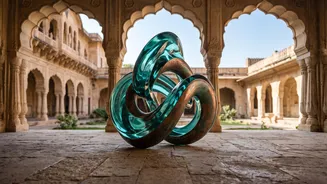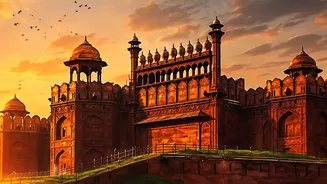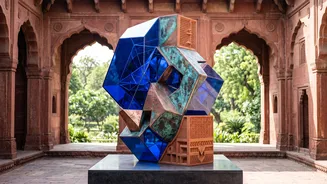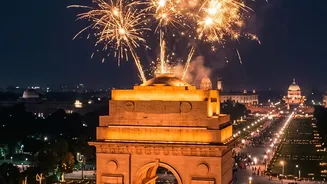




Delhi is set to transform into a living gallery this December. The inaugural India Biennale will weave contemporary art through the city’s most cherished museums and ancient monuments, promising an unparalleled cultural experience.
A City Transformed into a Canvas
Forget the conventional
white-walled gallery experience. The first-ever India Biennale is reimagining how art is seen and experienced by turning the entire national capital into its stage. Ahead of its much-anticipated December 1 opening, organisers have revealed an ambitious plan that will see dozens of exhibitions and site-specific installations pop up across Delhi. The event aims not just to showcase contemporary art from India and around the world, but to create a dynamic conversation between the art of today and the city's layered, complex history. This ambitious scale places it among the ranks of globally renowned events like the Venice Biennale and the Whitney Biennial, yet with a distinctively Indian soul. For six weeks, residents and visitors will be encouraged to explore their city through a new lens, stumbling upon world-class art in the most unexpected of places.
From Modern Galleries to Mughal Ruins
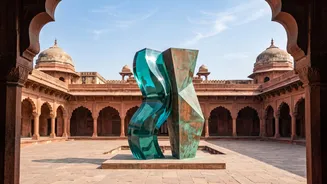
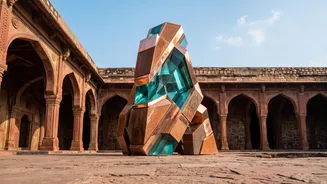
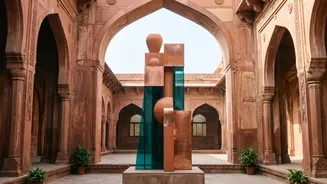
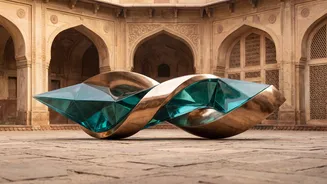
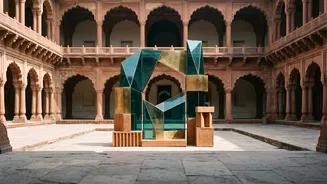
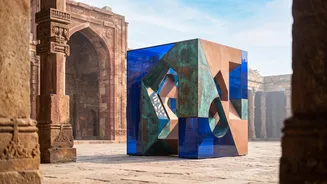
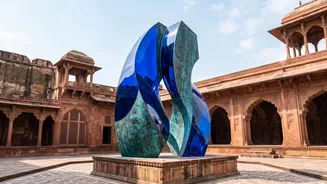
The list of confirmed venues reflects the Biennale's core philosophy of bridging past and present. Major institutions like the National Museum, the National Gallery of Modern Art (NGMA), and the Kiran Nadar Museum of Art will serve as anchors, hosting curated group shows that explore the event's central themes. These established spaces will provide a more traditional, climate-controlled environment for delicate works. But the real magic lies in the Biennale’s 'heritage sites' programme. Organisers have partnered with the Archaeological Survey of India to place installations in and around iconic locations such as the sprawling grounds of Sunder Nursery, the ancient stepwell of Agrasen ki Baoli, and the dramatic ruins of the Mehrauli Archaeological Park. Imagine a cutting-edge video installation projected onto the walls of a centuries-old tomb, or a soundscape echoing through the corridors of a forgotten monument. This approach encourages a deeper engagement with both the artwork and the historical significance of its setting, creating a unique dialogue that no museum alone could achieve.
Themes, Artists, and What to Expect
Curated by a team led by the acclaimed art historian and writer Dr. Vani Subramanian, the main exhibition is titled 'Inherited Futures'. According to the curatorial note, the theme will explore how artists grapple with history, memory, and tradition while imagining new paths forward in a rapidly changing world. It touches upon everything from ecological anxieties and digital identities to political legacies and personal histories. While the full artist list is still under wraps, initial announcements point to a mix of established superstars and emerging talent. Look for major new works from seminal Indian artists like Subodh Gupta and Bharti Kher, alongside international participants from across South Asia, Africa, and Latin America. The programming promises a multi-sensory experience, featuring not just painting and sculpture but also performance art, large-scale installations, digital art, and film screenings. The goal is to be inclusive and accessible, with something to provoke thought and inspire wonder in everyone, from seasoned art collectors to curious first-timers.
More Than Just an Art Show
The impact of the India Biennale is intended to extend far beyond the art world. Organisers are framing it as a major cultural catalyst for the city, with a packed schedule of public programming that includes artist talks, curatorial walkthroughs, educational workshops for students, and a film festival. By activating public spaces and heritage sites, the event aims to foster a renewed sense of civic pride and ownership. Local businesses, from cafes to hotels, are also preparing for the influx of cultural tourists, with many planning their own parallel events and special offers. It represents a significant investment in India's cultural infrastructure and its growing soft power on the global stage. The hope is that this inaugural edition will establish a new, recurring landmark on the international art calendar, cementing Delhi’s status as a vibrant hub for contemporary creative expression.