
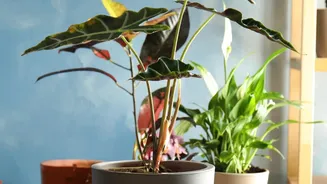
Why Monsoon is a Gardener's Best Friend
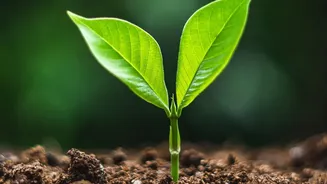
After the intense summer heat, the monsoon season provides a nurturing environment for plants. The increased humidity, cooler temperatures, and nitrogen-rich rainwater create ideal growing conditions, especially for herbs. Plants tend to grow faster as the soil
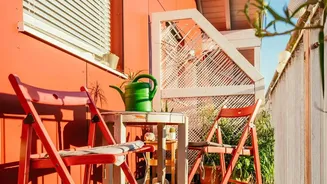
remains naturally moist, reducing the need for daily watering. This natural boost makes it the easiest and most rewarding time for urban residents to experiment with gardening, transforming even the smallest of balconies or window sills into a productive green space.
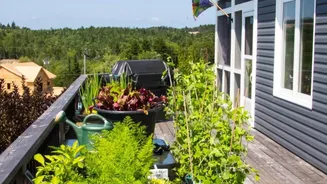
The Rise of the Balcony Herb Garden
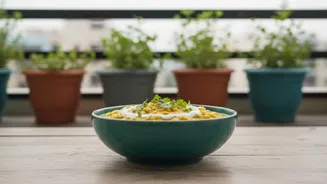
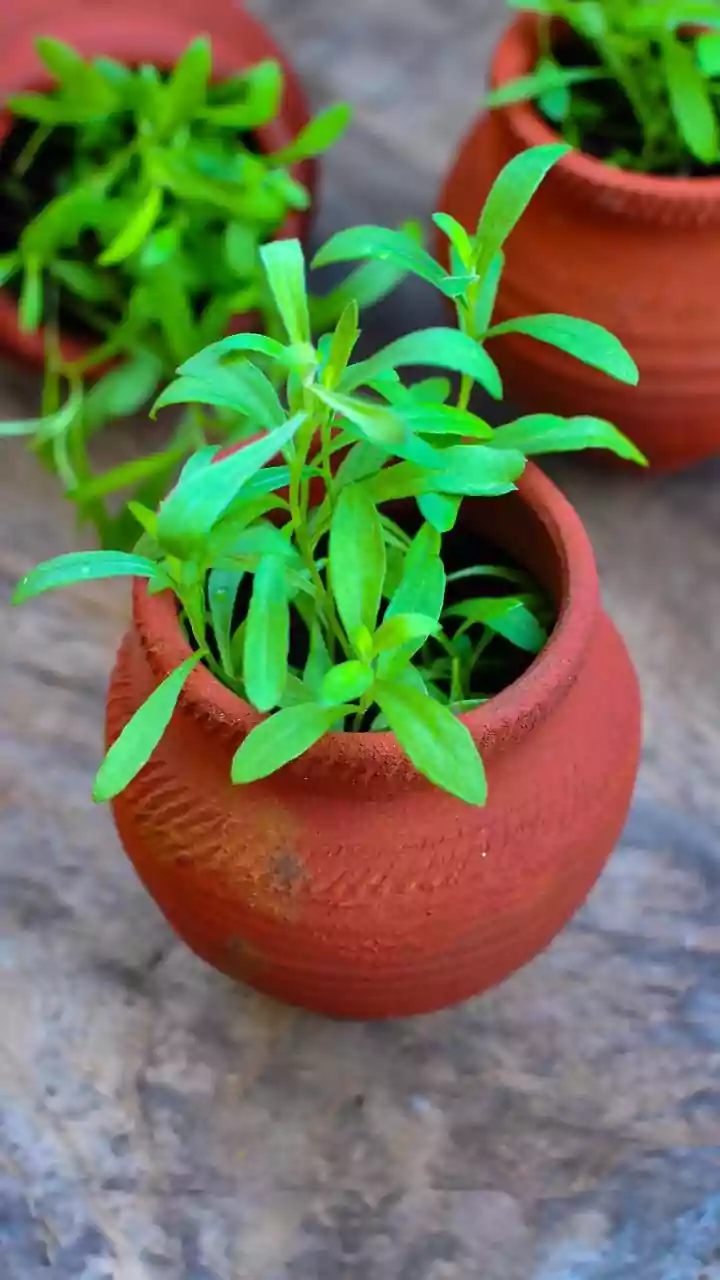
The trend of growing food at home has taken firm root in Indian cities, driven by a desire for fresh, pesticide-free produce and the simple joy of nurturing a plant to life. Herbs are the perfect starting point for apartment gardeners because they grow well in small containers and don't require much space. Having a supply of fresh herbs like tulsi, mint, or coriander on hand not only enhances the flavour of home-cooked meals but also offers numerous health benefits, from boosting immunity to aiding digestion.
Top Herbs for Your Monsoon Garden
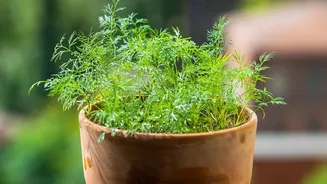
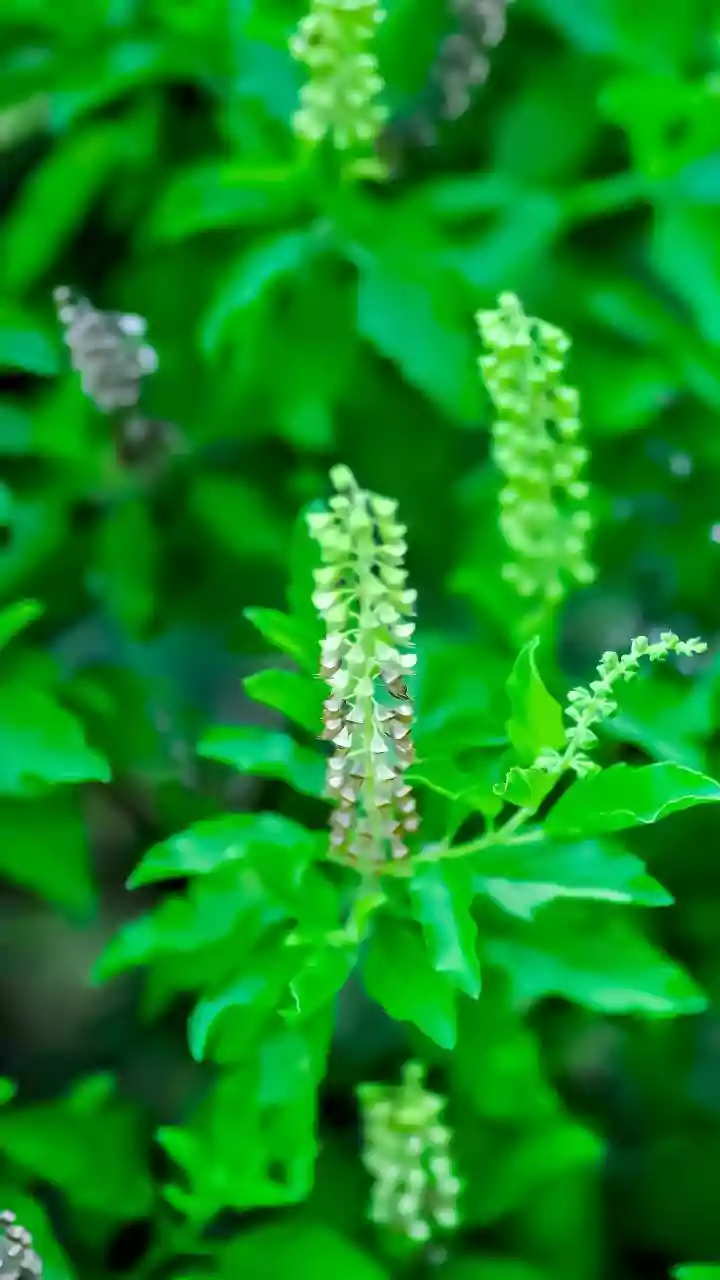
Certain herbs particularly thrive in the damp and humid conditions of the Indian monsoon. Holy Basil (Tulsi) is a must-have, revered for its immunity-boosting properties that are especially helpful during this season. Mint (Pudina) is another easy choice; it grows vigorously and its fresh leaves are perfect for teas and chutneys. Coriander (Dhaniya) is a fast-growing kitchen staple that flourishes in the cooler monsoon weather, providing fresh leaves for garnishing curries and salads. Lemongrass is also an excellent option, as it loves the moisture and its presence can help repel mosquitoes.
Setting Up for Success
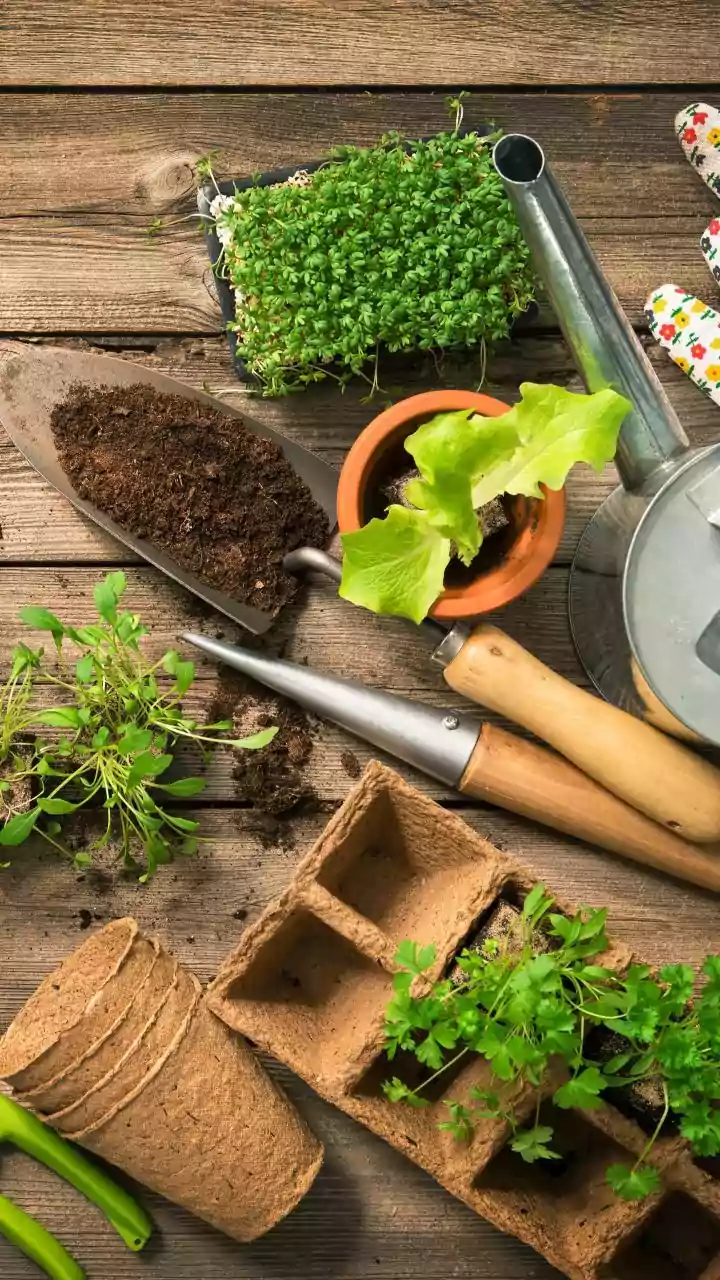
Starting your monsoon herb garden is simple. You'll need a few pots or containers with good drainage holes—this is critical to prevent waterlogging and root rot, the biggest threat during this season. A well-draining soil mix is equally important. A combination of garden soil, cocopeat, and compost or vermicompost (in a rough 40-40-20 ratio) works well, as it retains moisture without becoming soggy. Position your pots in a spot that receives a few hours of sunlight but is also shielded from heavy, direct downpours which can damage young plants.
Essential Monsoon Care Tips
While the monsoon makes gardening easier, it comes with its own challenges. Overwatering is a common mistake. Always check if the top inch of the soil is dry before watering; on rainy days, you may not need to water at all. Good air circulation between plants is vital to prevent fungal diseases like powdery mildew, which can thrive in high humidity. Prune your herbs regularly by snipping off leaves from the top. This not only provides you with a fresh harvest but also encourages the plant to grow bushier and healthier.