




What Exactly Is Citizen Science?
Citizen science, sometimes called community science, is the practice of public participation in scientific research. In simple terms, it means everyday people helping professional scientists collect and analyze data. You don't need a PhD or a fancy lab
coat; all you need is an interest in the subject and a willingness to learn. This collaborative approach is transforming research, especially in fields that generate enormous amounts of data, like astronomy. By involving the public, scientists can tackle complex problems that would be impossible to solve alone, from classifying galaxies to tracking climate change.
Why Astronomy Needs You
Modern telescopes and space missions generate more data than researchers can sift through on their own. The universe is a vast laboratory, and there are countless images and signals that need human eyes to interpret them. This is where you come in. Citizen scientists have made incredible contributions, including discovering new planets, spotting comets, and classifying new types of galaxies. Projects rely on volunteers to do things like identify patterns in starlight that could indicate a new planet or sort through images of galaxies to help understand their evolution. Your contribution helps train artificial intelligence and allows professional astronomers to focus on deeper analysis.
Verified Projects You Can Join Today
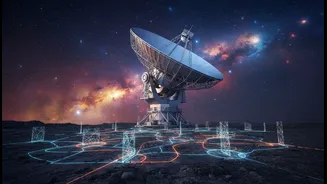
Getting started is easier than you think. Several reputable platforms offer projects with clear instructions and training, accessible to anyone in India with an internet connection. One of the most popular is Zooniverse, the world's largest platform for people-powered research. Here, you can join projects like Galaxy Zoo to classify galaxies or Planet Hunters to search for exoplanets. For those looking for an India-specific initiative, RAD@home is the country's first citizen science research program in astronomy. It trains undergraduate students and enthusiasts to conduct research on black hole-galaxy co-evolution using data from telescopes like the Giant Metrewave Radio Telescope (GMRT). The program offers online workshops and in-person 'Discovery Camps' to train participants, who are then known as 'e-astronomers'.
More Ways to Get Involved
Beyond these, NASA sponsors numerous citizen science projects where you can contribute directly to its missions. These range from identifying star-forming clumps in galaxy images to building your own simple radio telescope with the Radio JOVE project to observe Jupiter and the Sun. Many of these projects are designed for beginners and provide all the necessary guidance online. Participating in these programs not only aids scientific discovery but also offers a unique learning experience, giving you a firsthand look at how astronomical research is conducted.
The Sikkim Connection: An Emerging Science Hub
While there may not be a single organization called 'Sikkim Citizen Science Astronomy', the state is rapidly becoming a key location for science outreach and education in India. With its clear Himalayan skies, Sikkim is a natural destination for stargazing and astrotourism. The government supports this through facilities like the Sikkim Science Centre at Marchak, which includes a planetarium and an Innovation Hub designed to foster scientific curiosity among students and the public. The state's focus on promoting science, combined with its pristine environment, creates the perfect backdrop for engaging in the citizen science projects you can access online. Initiatives in nearby Himalayan regions, like AstroTribe, already empower local youth through astrotourism, showing a path Sikkim could also follow.
What You Need to Begin
The best part about these projects is their accessibility. For most online initiatives, the primary requirements are a computer or smartphone and a reliable internet connection. No prior academic or research experience is necessary. The platforms provide comprehensive tutorials, step-by-step guides, and community forums where you can ask questions and connect with fellow volunteers and researchers. Your curiosity is your most important tool. By dedicating a small amount of your time, you can immerse yourself in the cosmos and become part of a global community dedicated to unlocking its secrets.