

The Plant-Based Iron Challenge
One of the key challenges for those on a plant-based diet is getting enough easily absorbable iron. Iron comes in two forms: heme, found in animal products, and non-heme, found in plants. Our bodies absorb heme iron quite readily. Non-heme iron, however,
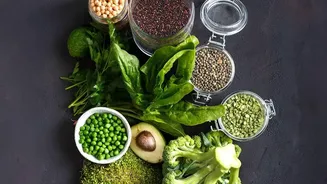
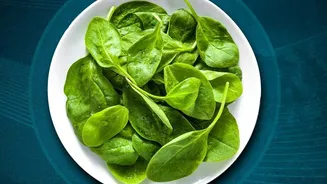
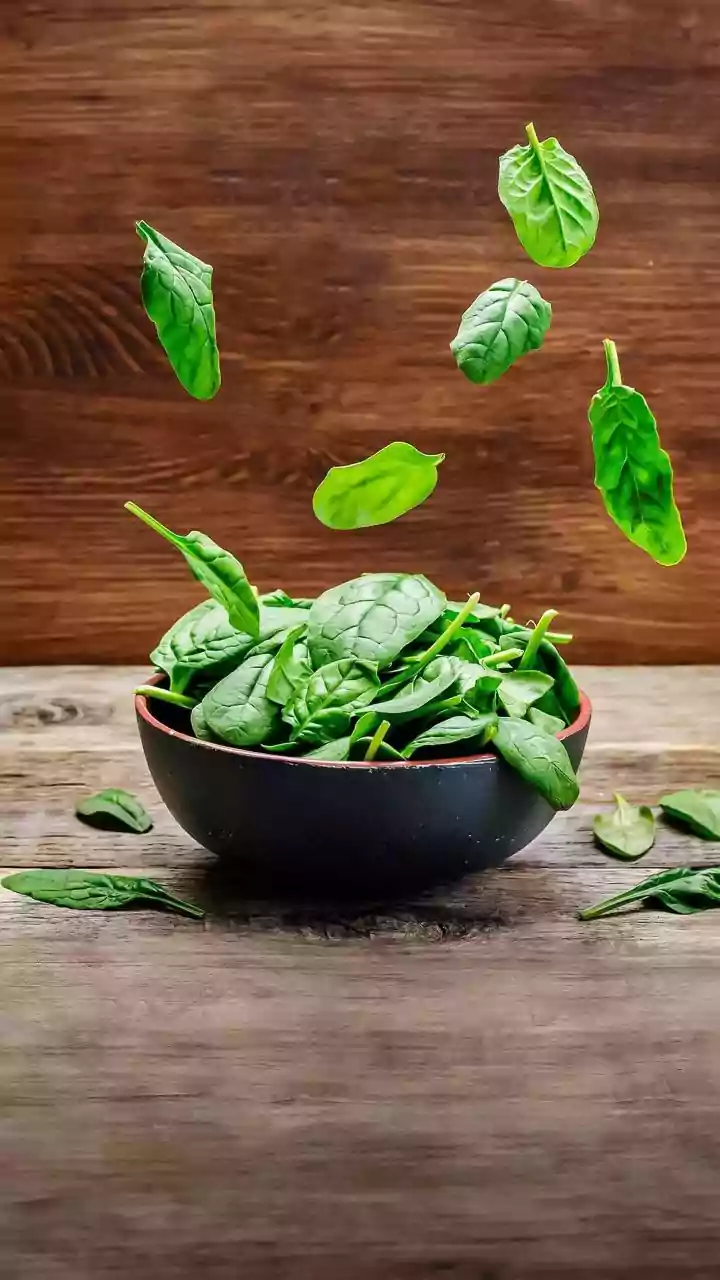
is a different story. Found in nutrient powerhouses like spinach, kale, lentils, and beans, this type of iron is harder for our bodies to absorb. This is because plant foods often contain natural compounds called phytates and polyphenols that can bind to iron and hinder its absorption.
Vitamin C to the Rescue
This is where Vitamin C, also known as ascorbic acid, becomes a plant-based diet's best friend. When consumed in the same meal, Vitamin C works like a key, unlocking the non-heme iron trapped in plant foods. It converts the iron into a form that is much easier for your intestines to absorb. The headline's claim of "doubling" mineral absorption is not an overstatement; in fact, it might be an understatement. Studies have shown that Vitamin C can increase non-heme iron absorption by several times. One study noted that 100 milligrams of ascorbic acid increased iron absorption from a meal by over four times. This effect is so significant that it can even counteract the iron-blocking effects of compounds like tannins found in tea and coffee.
Perfect Pairings for Your Plate
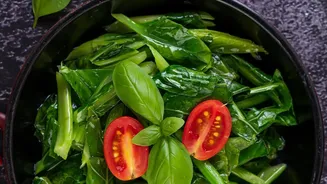
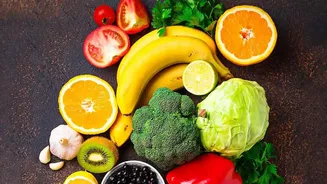
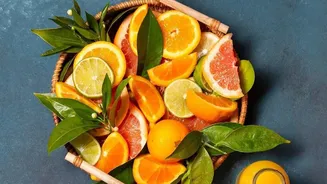
Putting this science into practice is both easy and delicious. The goal is to combine iron-rich plant foods with a good source of Vitamin C in the same meal. Citrus fruits are an excellent and obvious choice, but they are far from the only option. Think about a fresh spinach salad with a lemon-based vinaigrette, or adding orange slices to a quinoa bowl. Blending kale or spinach into a smoothie with kiwi or a handful of strawberries is another simple way to create a powerhouse combination. Even adding a generous squeeze of lime over a bowl of lentil soup or black bean tacos can make a huge difference in how much iron you get.
Beyond Citrus and Leafy Greens
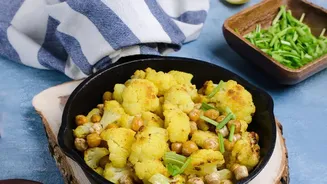
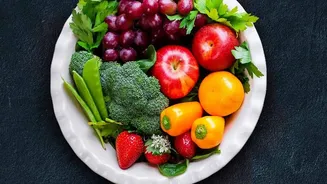
While the classic pairing of citrus and greens is effective, you can broaden your culinary horizons. Bell peppers, particularly the red and yellow varieties, are packed with Vitamin C and can be sautéed with tofu or added raw to chickpea salads. Tomatoes, broccoli, and even potatoes are also good sources of Vitamin C that pair well with many iron-rich foods. For your iron sources, don't just stick to leafy greens. Legumes like lentils and chickpeas, seeds such as pumpkin and sesame, and fortified whole grains are all excellent plant-based sources of iron. A meal of lentil stew with tomatoes and bell peppers is a perfect example of an optimized plant-based dish.
What to Avoid with Iron-Rich Meals
Just as some foods enhance absorption, others can inhibit it. The main culprits are tannins, found in coffee and tea, and calcium. These substances can compete with iron for absorption. To get the most from your iron-rich meals, it's a good idea to avoid drinking coffee, tea, or milk for at least an hour before and after eating. Calcium supplements should also be taken separately from your main iron-rich meals. By being mindful of not just what you eat, but when you eat it, you can ensure your body is getting the maximum benefit from your healthy diet.