







The Art of 'Lived-In,' Not Cluttered
First, it's crucial to distinguish between a room that is lived-in and one that is simply cluttered. Clutter often refers to disorganized items that don't have a designated home, creating a sense of chaos and stress. A lived-in space, by contrast, feels
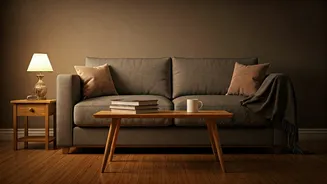
intentional. It's about thoughtfully displaying items that tell your story and make a house feel like a home. Think of it as curated comfort; the presence of a stack of books on a side table, a loved coffee mug, or a throw blanket draped over a chair isn't mess—it's evidence of life being enjoyed. The goal is for a space to be usable and reflect personality, not to become a storage unit where surfaces are unusable.
Display Your Story
The fastest way to add warmth is to showcase objects that are meaningful to you. This is what transforms a generic room into your personal sanctuary. Frame and hang photos from travels or moments with loved ones. Don't hide away books you've enjoyed; let them populate shelves and tables. Inherited furniture, souvenirs from a memorable trip, or artwork that you simply love adds layers of personality that can't be bought in a single shopping trip. These items serve as conversation starters and daily reminders of your personal journey, making the space uniquely yours and deeply comforting.
Embrace Layers of Texture
A room with flat, uniform surfaces can feel cold and uninviting. The secret to coziness lies in layering a variety of textures. Think about how different materials feel to the touch. Mix soft, natural fabrics like linen, wool, and velvet in your pillows and throws. A plush rug underfoot instantly adds warmth. Contrast these soft elements with the organic feel of wood, the smoothness of stone, or the coolness of metal in your furniture and decor. This tactile variety adds visual depth and makes a room feel more dynamic and comfortable, inviting you and your guests to settle in and relax.
The Magic of Warm Lighting
Lighting is one of the most powerful tools for setting a mood, and a single, harsh overhead light is often the enemy of a cozy atmosphere. To create a warm and welcoming glow, use multiple light sources at different heights. A combination of floor lamps, table lamps, and perhaps accent sconces creates soft pools of light that make a space feel more intimate. Opt for light bulbs that emit a warm white or soft yellow tone rather than a stark, cool blue light. Installing dimmer switches is another simple but effective upgrade, allowing you to adjust the brightness to suit any occasion, from a bright morning to a relaxing evening.
Arranged for Living
How furniture is arranged can dramatically impact how a room feels. When all the furniture is pushed against the walls, it can create a void in the middle of the room that feels awkward and formal. Instead, pull pieces closer together to create intentional zones for conversation and activity. A living room should invite people to talk, and a reading nook should feel like a cozy retreat. This approach signals that the room is meant for human connection and relaxation, not just for being looked at. This functional approach to comfort is a hallmark of a truly lived-in and welcoming home.