



Why Raw Nuts Have a 'Chemical Armour'
Nuts, seeds, and grains are essentially dormant powerhouses, designed by nature to survive until conditions are right for sprouting. To protect themselves, they contain compounds often called 'anti-nutrients'. The most significant of these is phytic acid.
Found in the outer layer of seeds, phytic acid binds to important minerals like iron, zinc, calcium, and magnesium in your digestive tract. This binding action can prevent your body from absorbing these essential minerals, effectively flushing them out instead of putting them to use. Additionally, these foods contain enzyme inhibitors, which can interfere with your own digestive enzymes, sometimes leading to feelings of bloating or heaviness after consumption.
The Benefits of a Good Soak
Soaking nuts and seeds is like mimicking a spring rain, signalling that it's time to germinate and grow. This process triggers several beneficial changes. It helps to neutralize a portion of the phytic acid and enzyme inhibitors. By breaking down these compounds, soaking makes the nuts and seeds easier to digest and improves the bioavailability of their nutrients. This means your body can more readily absorb the valuable proteins, vitamins, and minerals they offer. Many people find that soaked nuts are gentler on their digestive system and cause less discomfort. Soaking also softens the texture, which can make nuts like almonds creamier and more pleasant to eat.
A Simple Guide to Soaking Nuts and Seeds
Getting started with soaking is incredibly simple. You only need a glass bowl or jar, some water, and a pinch of salt. Place your raw nuts or seeds in the bowl, cover them with warm, filtered water by about an inch, and add a little salt, which helps activate enzymes to break down the inhibitors. The soaking time varies depending on the type of nut or seed. After soaking, it is crucial to discard the water, as it contains the anti-nutrients you are trying to avoid. Rinse the nuts or seeds thoroughly under fresh water. You can then use them immediately in smoothies or recipes, or you can dry them for a crunchy snack. To dry them, spread them on a tray and use a dehydrator or an oven on its lowest temperature setting (below 65°C) until they are completely dry and crisp.
Soaking Times for Common Varieties
Different nuts and seeds require different soaking durations for optimal results. Firmer nuts generally need a longer soak, while softer, oilier nuts need less time. Here’s a quick reference:
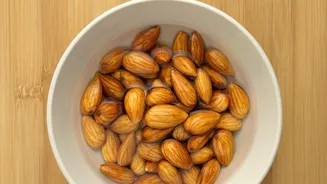
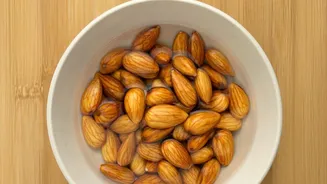
Almonds: Soak for 8 to 12 hours. Soaking also makes the skins easier to peel, which can further improve digestibility.
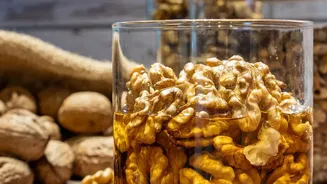
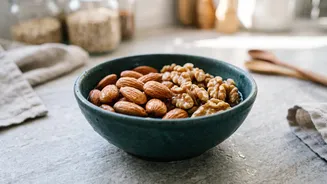
Walnuts and Pecans: These are softer and require about 6 to 8 hours.
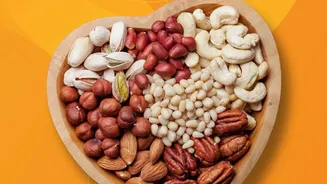
Cashews: Being much softer, cashews only need about 2 to 4 hours. Do not overstok them, as they can become slimy.
Pumpkin and Sunflower Seeds: A soaking time of 6 to 8 hours is generally effective.
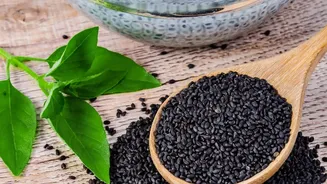
* Chia and Flax Seeds: These form a gel very quickly and only need about 30 minutes to 2 hours. The soaking water for these should be consumed, as it becomes part of the nutritious gel.
Is It Always Necessary?
While soaking offers clear benefits, it's not a strict requirement for everyone. If you have a robust digestive system and eat a varied diet, you likely tolerate unsoaked nuts just fine. However, if you consume large quantities of nuts and seeds, or if you experience digestive discomfort, bloating, or gas after eating them, soaking is a simple and effective practice to adopt. It is worth noting that some studies suggest the reduction in phytic acid from soaking nuts can be minimal, while it is more significant for legumes and grains. Ultimately, listening to your body is key. Experimenting with soaked nuts can help you determine if this small step makes a noticeable difference in how you feel, turning a healthy snack into an even healthier one.