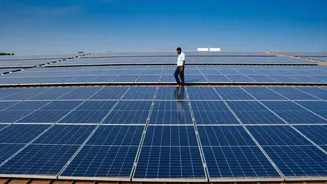









An Ambition Measured in Gigawatts
India's progress in solar energy has been remarkable. The country's installed solar capacity surged from just a few gigawatts a decade ago to over 162 GW by mid-2026. This growth is central to the nation's strategy for energy independence and climate
action. A key part of this vision is the 'PM-Surya Ghar: Muft Bijli Yojana', a flagship scheme launched in 2024 to solarize 10 million households. The program offers significant subsidies to make rooftop solar accessible, aiming to reduce electricity bills for families and create a decentralised power generation network. However, this ambitious top-down policy has run into a significant grassroots problem: there simply are not enough trained hands to do the work.
The Bottleneck on the Roof
The success of the Surya Ghar scheme hinges on a vast, skilled workforce capable of handling installations, maintenance, and customer service. Experts estimate a need for at least 100,000 newly trained solar technicians to meet the immediate demand generated by the program. The existing workforce is struggling to keep up, and a shortage of skilled labour is now seen as a primary obstacle to faster adoption. This isn't just about numbers; it's about quality. Poor installation practices, from incorrect panel orientation to faulty wiring, can drastically reduce a system's efficiency and lifespan, undermining consumer confidence and the scheme's long-term goals. The challenge is clear: India needs to build a pipeline of qualified, certified solar professionals, and it needs to do it quickly.
Enter the Solar Training Academies
In response to this workforce gap, new training initiatives are emerging. A notable example is the India-Australia Rooftop Solar Training Academy, recently launched at Pandit Deendayal Energy University (PDEU) in Gandhinagar. This academy, a collaboration between the Indian and Australian governments and industry partners like ReNew, aims to train 2,000 technicians in its first two years. The focus is on practical, hands-on skills aligned with industry needs and even incorporates standards from Australia's mature rooftop solar market. Crucially, these programs are also designed to be inclusive, with a strong emphasis on training women and youth, who are currently underrepresented in the renewable energy sector. Trainees who complete the program receive certification from bodies like the Ministry of Skill Development and Entrepreneurship, giving them a formal entry point into the green economy.
The Discussion: Quality, Scale, and Jobs
While initiatives like the PDEU academy are a vital step, the broader discussion centres on whether these efforts can scale fast enough and maintain quality. Industry stakeholders are emphasizing the need for a standardised curriculum across all training centres to ensure every certified installer has the same core competencies. The conversation also involves creating clear pathways from training to employment. It's not enough to simply train people; there must be a robust ecosystem connecting them with vendors and employers registered on the national solar portal. Another key point of discussion is the quality of components. The push for domestic manufacturing is crucial for self-reliance, but has also led to supply chain challenges and shortages of locally-made solar cells, which can slow down installations. Ensuring that the growing workforce has access to quality, certified equipment is just as important as the training itself.