




Why Planning Is More Critical Than Ever
The number of pet-owning households in India has surged, with the pet dog population alone crossing 32 million. This boom means more people are looking to travel with their furry companions, leading to increased demand for limited pet-friendly spots on flights
and trains. At the same time, transport providers have introduced more structured, and often stricter, rules to manage pet travel safely. Without advance planning, you risk facing last-minute cancellations, discovering your hotel isn't as pet-friendly as advertised, or putting your pet through a stressful experience. Getting it right means a smoother, safer, and more enjoyable trip for everyone involved.
Navigating the Skies: Airline Pet Policies
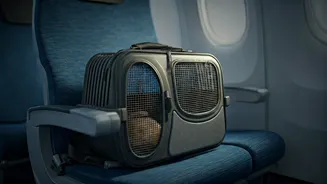
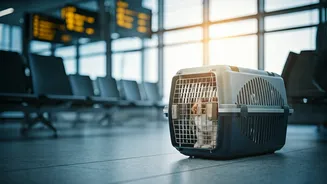
Flying with a pet in India is possible, but policies vary significantly between airlines. As of mid-2026, Air India and Akasa Air are among the most accommodating for domestic travel, allowing small pets in the cabin. Typically, if your pet and its carrier weigh under 10 kg, they may be able to travel with you under the seat. However, airlines only allow a very limited number of pets per flight—often just two—so booking weeks or even months in advance is crucial. For larger dogs, the only option is usually the cargo hold, which is a temperature-controlled and pressurised environment. Regardless of how they fly, all pets require a 'fit-to-fly' health certificate from a vet, issued within a few days of travel, along with up-to-date vaccination records, especially for rabies.
On Track with Indian Railways
For many, train travel is a more comfortable option. Indian Railways allows pets, but the process is specific. Pets are only permitted in First Class AC (1AC). To ensure you and your pet have privacy and don't inconvenience others, you must book either a two-berth coupe or a four-berth cabin exclusively for your party. This often means booking multiple tickets under a single PNR. After booking, you must submit a written request to the Chief Reservation Officer for a coupe allotment, citing your pet. On the day of travel, you must arrive several hours early to book your pet at the parcel office, presenting their fitness and vaccination certificates. An alternative for some trains, including the Vande Bharat, is the 'pet box' facility, a designated space in the luggage van, but this means your pet travels separately from you.
Finding a Truly Pet-Friendly Stay
The term 'pet-friendly' can mean different things. Some hotels are merely 'pet-tolerant', allowing your pet to stay but offering no amenities. Truly pet-friendly establishments welcome your companion with open arms, sometimes providing special beds, bowls, and designated play areas. Websites like BringFido and Booking.com have filters for pet-friendly properties, but it's essential to call the hotel directly before booking. Ask specific questions: Are there any breed or size restrictions? Are pets allowed in common areas? Are there additional charges? This confirmation call can prevent unpleasant surprises upon arrival.
The Pre-Travel Checklist
A successful trip hinges on preparation. First, schedule a vet visit to get the required health certificates and ensure your pet is fit for travel. Discuss motion sickness or anxiety medication if needed. Next, create a packing list for your pet. This should include their regular food to avoid digestive issues, a familiar blanket or toy for comfort, a leash and collar with an updated ID tag, collapsible food and water bowls, and a pet first-aid kit. Also pack poop bags and any necessary grooming supplies. If travelling by air, get your pet accustomed to their IATA-approved carrier well before the trip. A calm pet is a happy traveler.