


The Power of a Protein-Packed Dinner
Ending your day with a protein-rich meal is one of the smartest dietary choices you can make. Protein is essential for repairing tissues and building muscle, particularly important after a long day. It also promotes a feeling of fullness, or satiety,
which can help curb late-night snacking and manage weight. A high-protein dinner helps to stabilize blood sugar levels by slowing down the digestion of carbohydrates, preventing the energy spikes and crashes that can disrupt sleep and recovery. For vegetarians, or anyone looking to reduce their meat intake, finding adequate sources of high-quality protein is crucial, which is where paneer and tofu step into the spotlight.
Paneer: The Traditional Protein Powerhouse
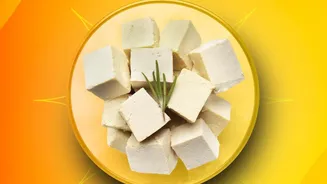
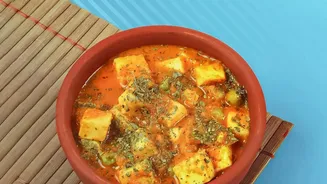
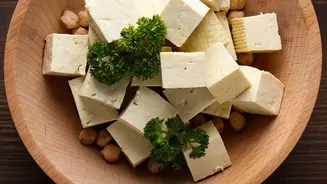
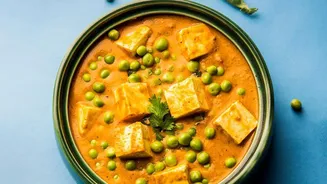
A staple in Indian households, paneer is a fresh, non-melting cheese made by curdling milk. It’s a nutritional heavyweight, especially when it comes to protein. A 100-gram serving can contain anywhere from 18 to 25 grams of protein, depending on the quality of the milk used. Crucially, paneer is a 'complete protein,' meaning it supplies all nine essential amino acids that the body cannot produce on its own. This makes it exceptionally good for muscle maintenance and overall health. Beyond protein, paneer is also a rich source of calcium, which is vital for bone strength. Its primary protein is casein, which is slow-digesting, providing a sustained release of amino acids that aids in muscle repair over several hours.
Tofu: The Versatile Vegan Contender
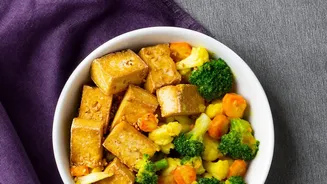
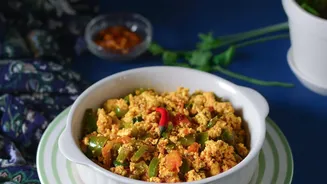
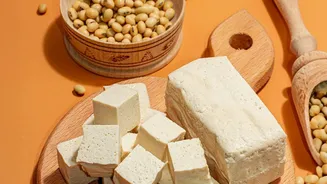
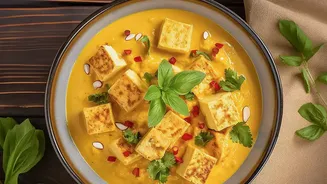
Tofu, made from condensed soy milk, is a pillar of plant-based diets and for good reason. While a 100-gram serving offers a more modest 8 to 10 grams of protein compared to paneer, it boasts its own impressive set of credentials. Like paneer, firm tofu is also a complete protein, making it one of the few plant-based foods to contain all essential amino acids. Tofu is significantly lower in calories and fat, particularly saturated fat, making it an excellent choice for weight management and heart health. Furthermore, tofu is a better source of iron, a mineral often lacking in vegetarian diets. As a soy product, it is also praised for its potential benefits in lowering 'bad' LDL cholesterol.
What Exactly is ‘Clean Fuel’?
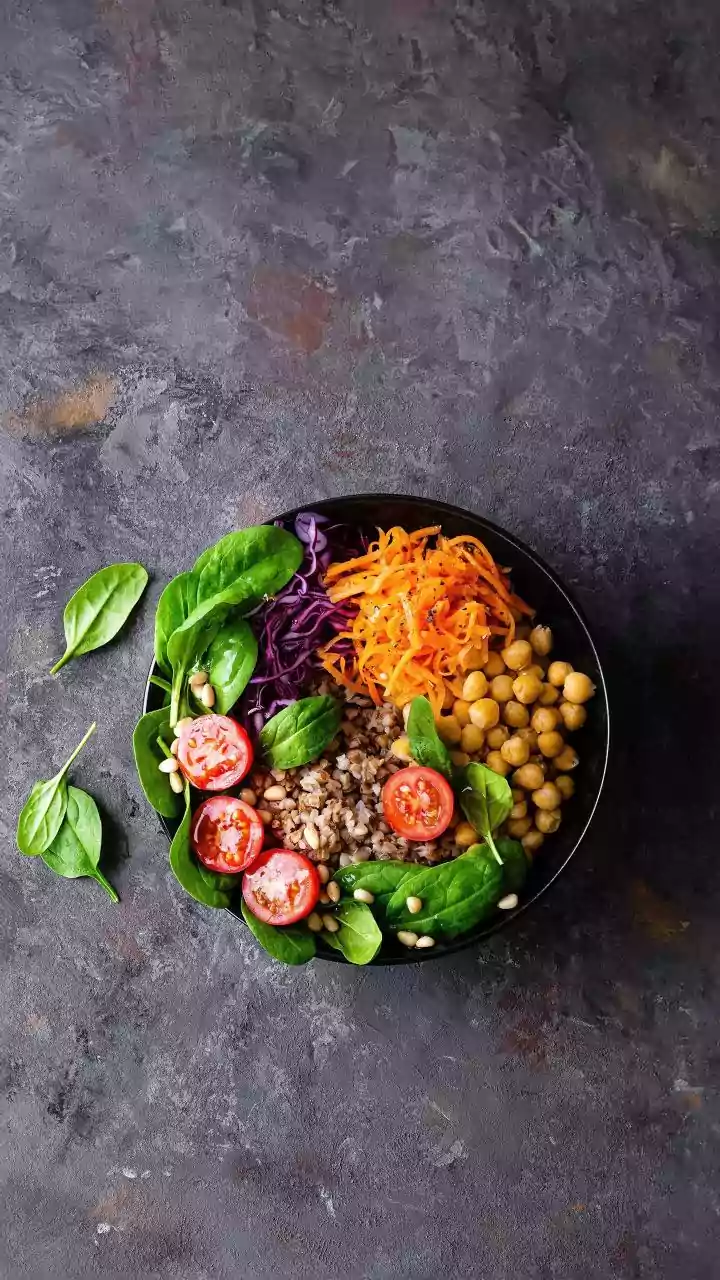
The term 'clean eating' or 'clean fuel' can seem vague, but its core principle is simple: eating foods that are as close to their natural state as possible. This means choosing whole, unprocessed, or minimally processed ingredients over those laden with artificial preservatives, excessive sodium, and added sugars. A tofu or paneer bowl perfectly embodies this philosophy. When you build a bowl with fresh paneer or tofu, a variety of colourful vegetables, a base of whole grains like quinoa or brown rice, and a simple homemade dressing, you are consuming a meal free from the additives found in many packaged and convenience foods. This approach nourishes your body with a balanced mix of high-quality protein, complex carbohydrates, healthy fats, vitamins, and minerals, providing sustained energy without the downsides of heavily processed options.
How to Build Your Perfect Bowl
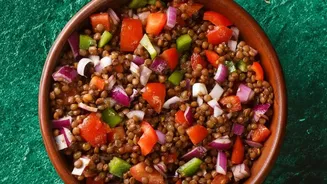
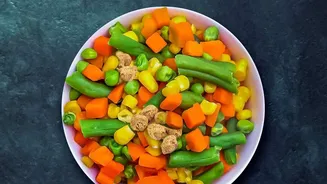
The beauty of a bowl meal lies in its customisability. You can adapt it to your taste, dietary needs, and whatever you have in your fridge. Start with a solid foundation: 1. The Protein: Choose your star—cubed paneer or firm tofu. For best results, press the tofu to remove excess water and pan-fry or bake both until golden to improve their texture. 2. The Base: Move beyond plain white rice. Opt for fibre-rich whole grains like quinoa, brown rice, millets, or even a bed of fresh spinach or mixed greens for a low-carb option. 3. The Veggies: Load up on colour and nutrients. Think roasted broccoli and bell peppers, steamed green beans, grated carrots, sliced cucumbers, and corn. The more varied, the better. 4. The Sauce: This is where you bring the flavour. A simple lemon-tahini dressing, a spicy yogurt-based sauce, or an Asian-inspired sweet chilli or peanut sauce can tie everything together. Making your own helps you control the sugar and sodium content. 5. The Toppings: Add a final layer of texture and flavour with a sprinkle of toasted sesame seeds, chopped nuts, fresh coriander, or a dollop of Greek yogurt.