







The End of Daily Dinner Panic
The single biggest benefit of meal planning is the reduction of 'decision fatigue'. Every day, we make hundreds of small choices. By the end of the day, our capacity to make good decisions is depleted. Deciding what to cook, checking if you have the ingredients,
and then actually preparing it can feel like a monumental task when you're already drained. Meal planning removes this burden. By deciding on your meals for the week ahead of time, you eliminate a recurring source of daily stress. You simply look at your plan, pull out the ingredients, and start cooking. This mental space that opens up is invaluable, freeing up energy for more important things, like connecting with your family.
Smarter Shopping and Less Waste
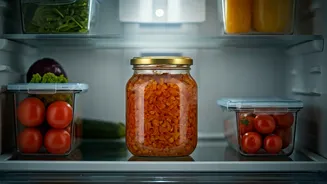
Walking into a grocery store without a list is a recipe for impulse buys and forgotten necessities. A meal plan translates directly into a focused, efficient shopping list. You buy exactly what you need for the week's recipes, which has two major benefits. First, you save money. There are fewer last-minute splurges on expensive ready-made meals or ingredients you won't use. Second, you dramatically reduce food waste. That half-bunch of coriander or forgotten bag of spinach no longer wilts in the back of the fridge. Every ingredient has a purpose. In India, where households discard a significant amount of food annually, this is not just a personal saving but a meaningful step towards sustainability.
A Healthier, Happier Table
When you're tired and hungry, the easiest option is often the least healthy. Frequent reliance on takeaways and processed foods can take a toll on both your health and your wallet. Meal planning puts you back in control of your family's nutrition. You can intentionally incorporate more vegetables, try different grains, and ensure a balanced diet throughout the week. It allows you to plan for diverse Indian meals—a dal from one region, a sabzi from another—without feeling overwhelmed. It also accommodates dietary needs and preferences without the last-minute stress, ensuring everyone gets a nourishing meal they can enjoy.
More Than Just a Menu
Meal planning can evolve into a cherished family ritual. Involving older children in choosing meals for the week gives them a sense of ownership and makes them more likely to try new things. You can institute fun theme nights—like 'Dosa Mondays' or 'Pulao Fridays'—that give the week a comfortable rhythm. It also creates opportunities for kids to learn basic cooking skills, from chopping vegetables to measuring spices. The dinner table becomes less of a chaotic refueling station and more of a place to connect, share stories, and build memories, all facilitated by a little bit of foresight.
How to Start Without the Stress
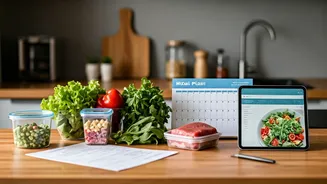
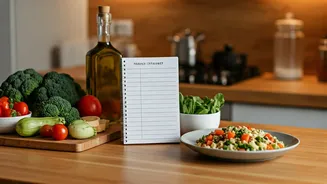
The idea of planning an entire week of meals can seem daunting, but the key is to start small. Don't aim for perfection. Begin by planning just three or four dinners for the upcoming week. Choose simple, familiar recipes you know your family enjoys. Write your plan down on a notepad, a whiteboard in the kitchen, or a simple app. From that plan, create your grocery list. As you get comfortable, you can expand to planning a full week, incorporating breakfasts and lunches. Remember to schedule in leftovers or a 'free' night for spontaneity or a meal out. The goal is not a rigid, unbreakable schedule, but a flexible framework that serves you and your family.