




A New Strategy for Mars
NASA has officially launched a new chapter in its long and storied history of Mars exploration through its STRIDE initiative, which stands for Science Transport and Robotic Innovation for Deployment and Exploration. With a total funding pool of approximately
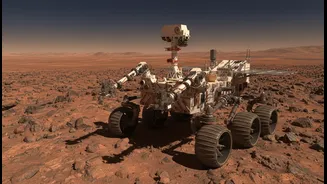
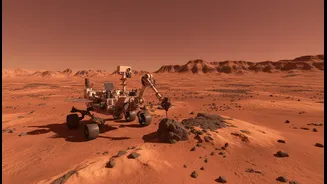
$17 million, the program has awarded contracts to seven companies tasked with designing the future of Martian mobility. For decades, NASA's strategy has centered on sending one highly capable, but singular, rover at a time. While missions like Curiosity and Perseverance have been phenomenally successful, they have also highlighted the limitations of this approach. Navigating treacherous terrain, such as steep crater walls or soft sand dunes where the Spirit rover once got stuck, remains a major challenge. The STRIDE program aims to solve this by creating a diverse ecosystem of robots that can go farther, faster, and into places previously deemed unreachable.
Beyond Six-Wheeled Rovers
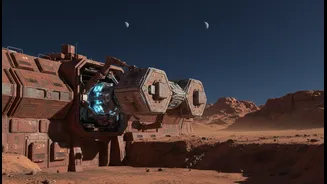
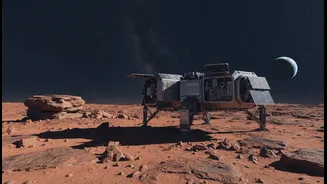
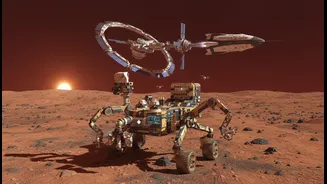
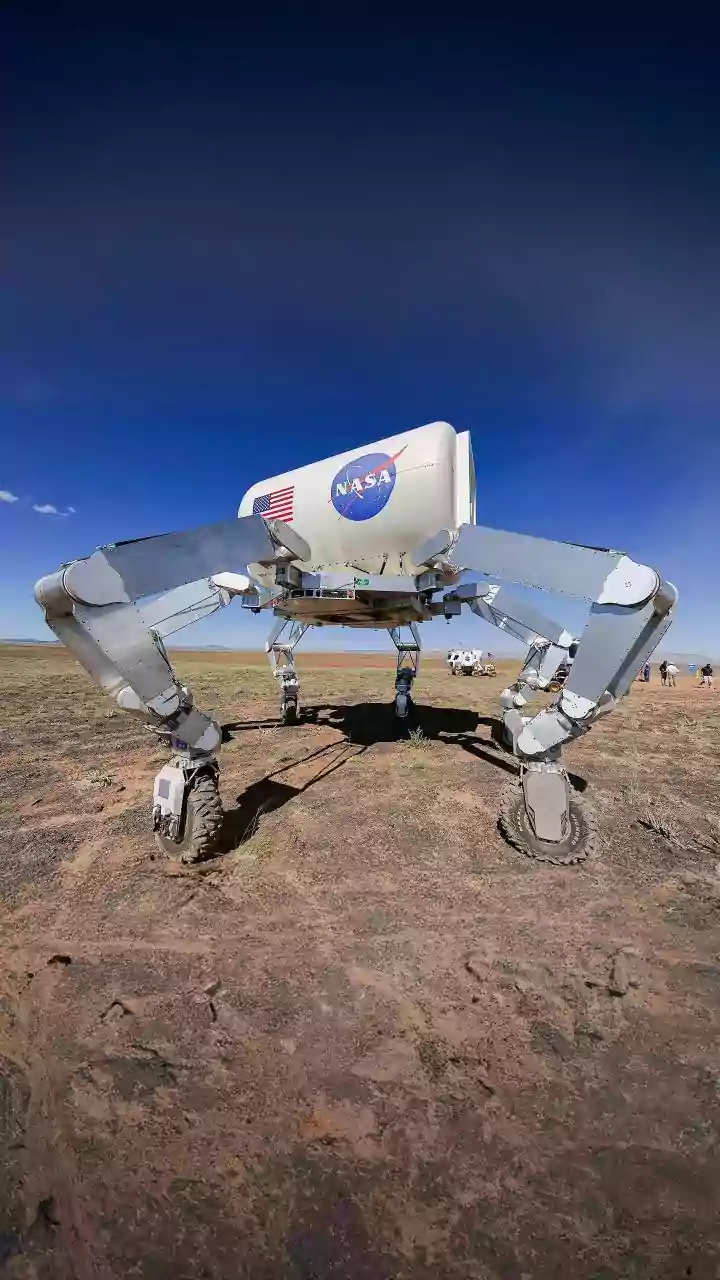
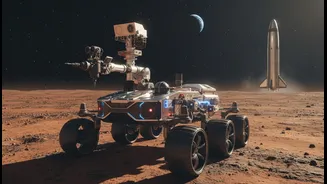
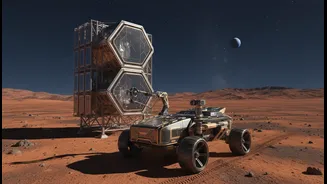
A significant portion of the new funding is dedicated to rethinking what a Mars rover can be. The goal is to move beyond the current designs and develop systems that can handle the planet's most difficult landscapes with greater autonomy and resilience. Future missions may require robots that can climb steep inclines, crawl through narrow canyons, or even hop over obstacles. The seven selected companies will explore concepts for these next-generation ground vehicles. This initiative acknowledges a key lesson from past missions: a single design cannot be optimized for every type of Martian environment. By investing in multiple, varied concepts, NASA is creating a playbook of specialized vehicles that can be deployed depending on the scientific objectives of a specific landing site, whether it's an ancient river delta or a rugged mountain range.
Taking Flight with Next-Gen Drones
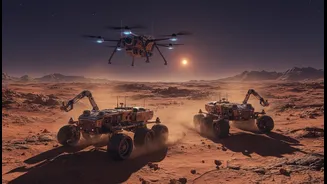
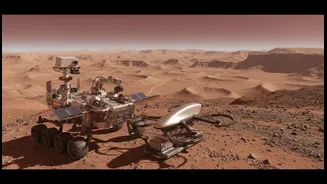
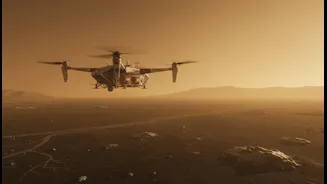
The incredible success of the Ingenuity helicopter, which performed dozens of flights as a technology demonstration alongside the Perseverance rover, proved that powered flight is possible in Mars's thin atmosphere. Now, NASA is ready to build on that legacy. The STRIDE program explicitly seeks to develop advanced aerial platforms, moving drones from a supporting role to a primary exploration tool. Among the contract winners is AeroVironment, the very company that built Ingenuity, signaling a clear intention to evolve this technology. Future Mars drones could be larger, carry scientific instruments, and operate with more autonomy, acting as scouts for rovers, exploring hard-to-reach areas from the air, and providing a completely new perspective for planetary science.
The Seven Companies Shaping the Future
The strength of the STRIDE initiative lies in its public-private partnership model, which taps into the innovation of the broader commercial sector. The seven companies selected represent a mix of established aerospace giants and agile newcomers, each bringing a unique expertise to the table. The awardees are AeroVironment, Astrobotic, Venturi Astrolab, Ground Control Robotics, Honeybee Robotics, Intuitive Machines, and MEI Technologies. This diverse group will begin developing their concepts in the fall of 2026. By fostering this collaboration, NASA is not only accelerating its own technology development but also helping to build a robust commercial space and robotics industry that can support future missions to Mars and beyond.