


More Than Just a Sweet Tooth
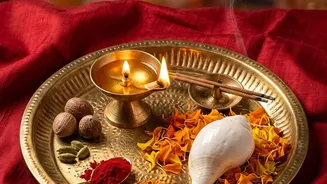
In Bengal, sweets, or 'mishti', are not merely desserts; they are an integral part of life and worship. During Durga Puja, they transform into a language of devotion, celebration, and community. Sweets are offered to the Goddess Durga as 'bhog' (sacred
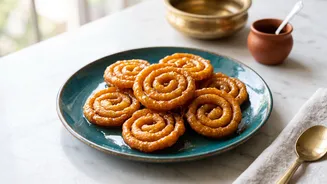
food offerings) and shared among family and friends as a gesture of warmth and hospitality. This connection between food and spirituality is deeply ingrained, making the choice of sweet a significant one. While classics like Rosogolla and Mishti Doi have long been festival staples, there is a growing appreciation for sweets that tell a deeper story of Bengal's culinary past.
The Allure of Authenticity
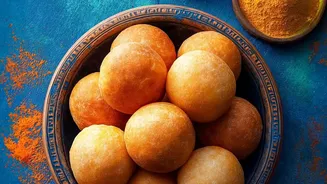
What defines a 'heritage' sweet? It's a combination of age-old recipes, specific, often laborious preparation techniques, and ingredients that evoke a sense of place and time. These are not sweets born in modern, streamlined kitchens. Think of 'Ananda Naru', a sweet once common at weddings, made from coconut, jaggery, and rice flour, then fried. Its name literally translates to 'happy sweet', rooted in family kitchens rather than commercial shops. Similarly, sweets like 'Sarbhaja', a decadent creation of fried milk cream layers, or 'Lobongo Lotika', a clove-spiked pastry, require a level of artistry and patience that many newer sweets bypass. This return to heritage is a pushback against the homogenisation of flavours, a craving for authenticity in a fast-paced world.
Lost and Found: Stars of the Revival
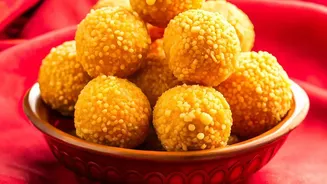
Several specific sweets are finding new fans this Puja season. Take 'Chandrapuli', a crescent-shaped sweet made from coconut and mawa (milk solids), which requires careful moulding. Then there is 'Kheer Kadam', a fascinating sweet with a surprise inside: a small, dry rosogolla encased in a layer of kheer and dusted with desiccated coconut. These confections, which were once at risk of fading from collective memory, are being championed by both legacy sweet makers and a new generation of culinary artisans. Even simple, home-style sweets like 'Narkel Naru'—chewy coconut laddoos made with jaggery—are being celebrated for their purity and connection to domestic festive rituals.
Guardians of a Sweet Legacy
The resurgence of these traditional sweets is no accident. It is driven by iconic, often century-old sweet shops in Kolkata, as well as a conscious effort by culinary experts to revive forgotten recipes. Establishments like Girish Chandra Dey & Nakur Chandra Nandy, Bhim Chandra Nag, and Balaram Mullick & Radharaman Mullick have been custodians of Bengal's confectionery heritage for generations. They are now finding a renewed interest from a public eager to connect with their roots. Some high-end hotels are also curating 'Mahabhoj' or grand feasts that specifically feature forgotten Bengali recipes, bringing these classic tastes to a new audience during the Puja.