

Understanding the 'Danger Zone'
The core principle of food safety revolves around avoiding the 'danger zone'. According to the U.S. Department of Agriculture (USDA), this is the temperature range between 40°F (4°C) and 140°F (60°C). Within this range, bacteria like Salmonella and E.
coli can multiply at an alarming rate, sometimes doubling in number in as little as 20 minutes. The goal is to minimize the amount of time cooked food spends in this zone. Perishable food should be refrigerated within two hours of being cooked. If the ambient temperature is over 90°F (32°C), that window shrinks to just one hour.
The Problem with Deep Pots
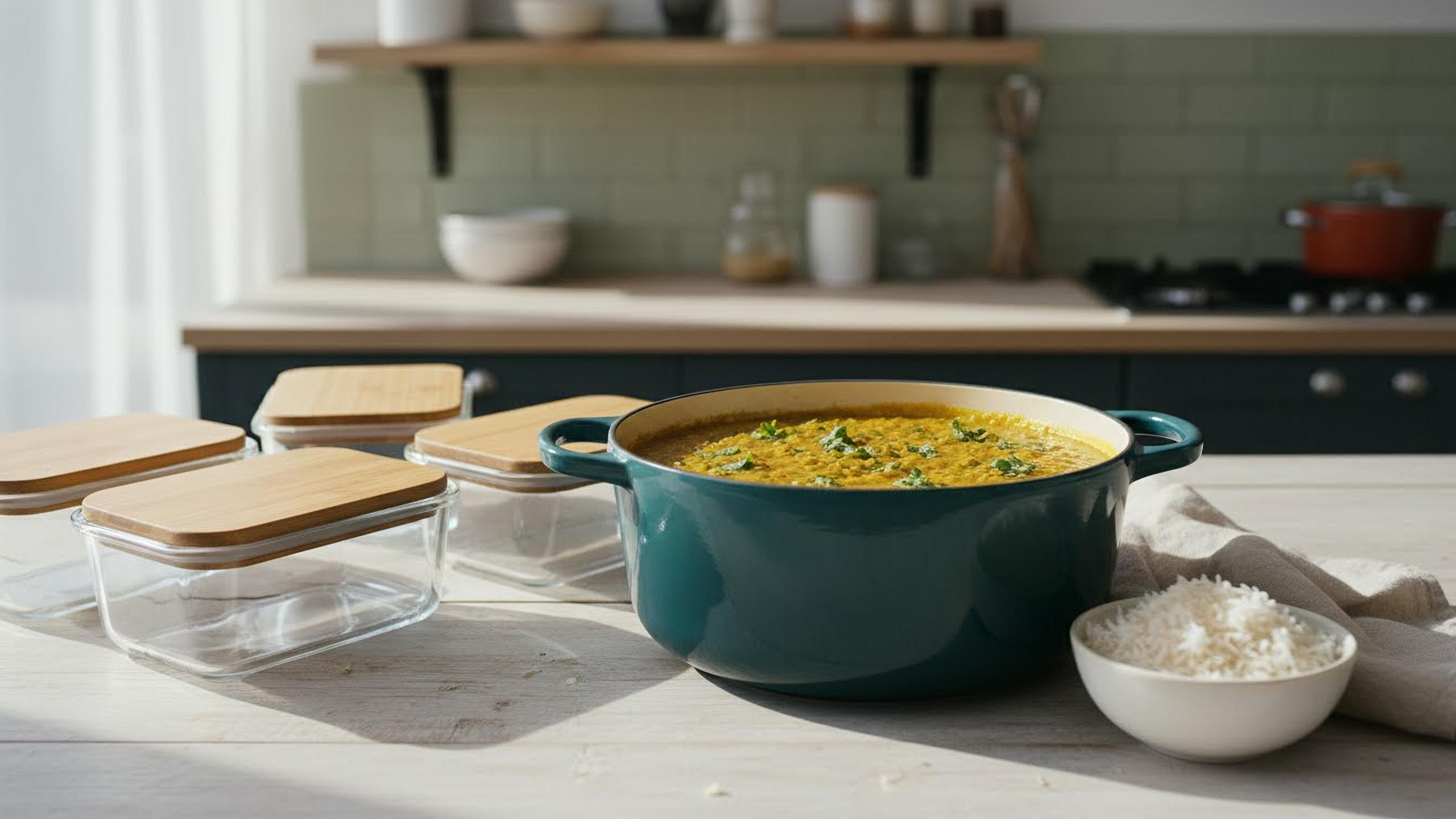
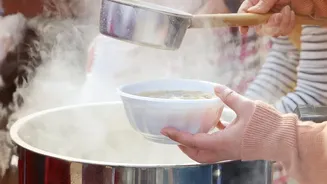
That large, deep stockpot that was perfect for cooking becomes a problem when it's time for cooling. A large, dense mass of hot food, like a stew or a thick sauce, acts as its own insulator. The food in the center of the pot will stay in the temperature danger zone for many hours, even if the pot is placed in the refrigerator. Not only is this unsafe for the leftovers themselves, but placing a very large, hot container in the fridge can also raise the internal temperature, potentially putting other foods at risk.
Shallow Portions Are the Solution
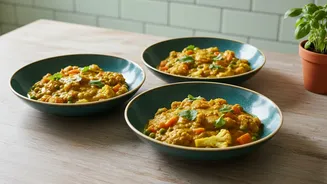
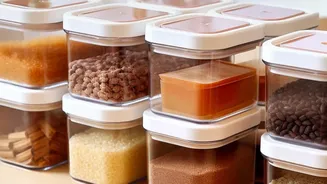
The most effective strategy, recommended by food safety experts, is to divide and conquer. Instead of putting the entire pot in the fridge, portion the food into several small, shallow containers. Food in a shallow container should be no more than two to three inches deep. This dramatically increases the surface area relative to the volume, allowing heat to escape much more quickly and the food to cool down evenly and rapidly. For large cuts of meat, like a roast or whole turkey, it's best to slice or carve the meat off the bone before refrigerating.
To Cover or Not to Cover?
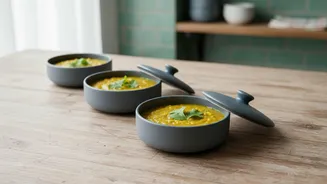
The question of covering hot food can be confusing. A tight-fitting lid will trap steam and heat, slowing down the cooling process significantly. However, leaving food completely uncovered in the fridge exposes it to potential cross-contamination from other items. The best practice is a compromise: cover the containers loosely at first. You can leave a corner of the lid ajar or use parchment paper to cover the surface. This allows steam and heat to escape while still offering protection. Once the food is completely cool, you can seal the containers tightly.
How to Speed Up the Cooling Process
If you're in a hurry or dealing with a very large amount of food, there are other methods to accelerate cooling. An ice bath is a highly effective technique. Place your smaller container of hot food into a larger bowl or clean sink filled with ice and water. Stirring the food periodically will help release heat even faster. For liquid-based foods like soups and stews, specialized tools known as cooling paddles or ice wands can be inserted to cool the contents from the inside out. You can even just spread the food out on a clean baking sheet to maximize surface area for the quickest cooling before transferring to storage containers.
Final Steps for Safe Storage
It's a myth that you must wait for food to cool to room temperature before refrigerating. Modern refrigerators are powerful enough to handle the load, especially when the food is divided into smaller portions. In fact, getting the food into the fridge as quickly as possible is the safest bet. Once properly cooled and stored, most leftovers will last for three to four days in the refrigerator. For longer storage, you can place them in the freezer. Always label your containers with the date so you know how long they've been stored.