
The Post-Monsoon Shift
The end of the monsoon has always marked a shift in Goa, signalling the start of the tourist season. But in recent years, this transition has taken on a new dimension. Beyond the usual influx of holidaymakers, a growing community of digital nomads—professionals
working remotely—is descending on the coastal state. This isn't just about escaping a landlocked office; it's a fundamental change in how people are blending work, life, and travel. Goa is no longer just a place to escape to, but a place to live and work in, sustained by a new generation that swaps cubicles for coastline. This trend is reshaping the state's identity from a seasonal party destination to a year-round hub for creativity and productivity.
More Than Just a Room with Wi-Fi
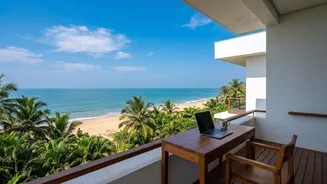
Catering to this new demographic requires more than just a reliable internet connection, though that remains crucial. Accommodations across Goa, from boutique hotels to traditional guesthouses, are transforming their offerings. Many now feature dedicated co-working zones, ergonomic workstations, and power backup to navigate the region's occasional outages. Some establishments in areas like Anjuna, Vagator, and Panjim provide all-inclusive, long-stay packages that bundle accommodation, meals, and workspace access. The goal is to create an environment where productivity and relaxation coexist. These spaces often foster a sense of community, hosting networking events, skill-sharing sessions, and wellness activities like yoga, allowing nomads to connect with like-minded individuals.
Meet Goa's New Workforce
The digital nomads flocking to Goa are a diverse group. They include Indian tech workers from major metropolitan areas, international freelancers, startup founders, and creative professionals. The initial wave was significantly boosted by the global shift to remote work during the pandemic, and while some have returned to city offices, many have chosen to stay. The appeal is multi-faceted: a more affordable cost of living compared to big cities, a laid-back lifestyle known locally as 'susegad', and a vibrant cultural scene. The choice between the bustling, social atmosphere of North Goa and the quieter, serene beaches of the South allows nomads to find their perfect work-life balance.
A Boost for the Local Economy
The rise of the digital nomad brings significant economic benefits. Unlike short-term tourists, these long-stay visitors provide a steady, year-round stream of revenue for local businesses. This is particularly valuable during the traditional off-season, helping cafes, scooter rentals, and small shops remain profitable. This influx has spurred the growth of a robust support infrastructure, including numerous co-working spaces and tech-friendly cafes. However, this transformation is not without its challenges. The increased demand for housing has led to a surge in rental prices in popular areas, creating financial strain for some local residents. Furthermore, some business owners note a culture clash, as the quiet focus of remote workers can sometimes conflict with the lively atmosphere expected by holidaymakers.
The Future of a Work-Leisure Hub
Goa is actively leaning into its new identity as a premier 'workation' destination. State government initiatives are underway to improve digital infrastructure, including rolling out high-speed broadband in villages and establishing more co-working spaces. There have also been discussions about introducing a dedicated digital nomad visa, which would further legitimize and streamline long-term stays for international workers. By promoting wellness, heritage, and adventure tourism alongside its work-friendly environment, Goa is strategically positioning itself to attract a global community seeking a more integrated way of living and working. This evolution marks a pivotal moment for the state, as it moves to become the Indian face of the global remote work revolution.