


Perfecting the Manual Method
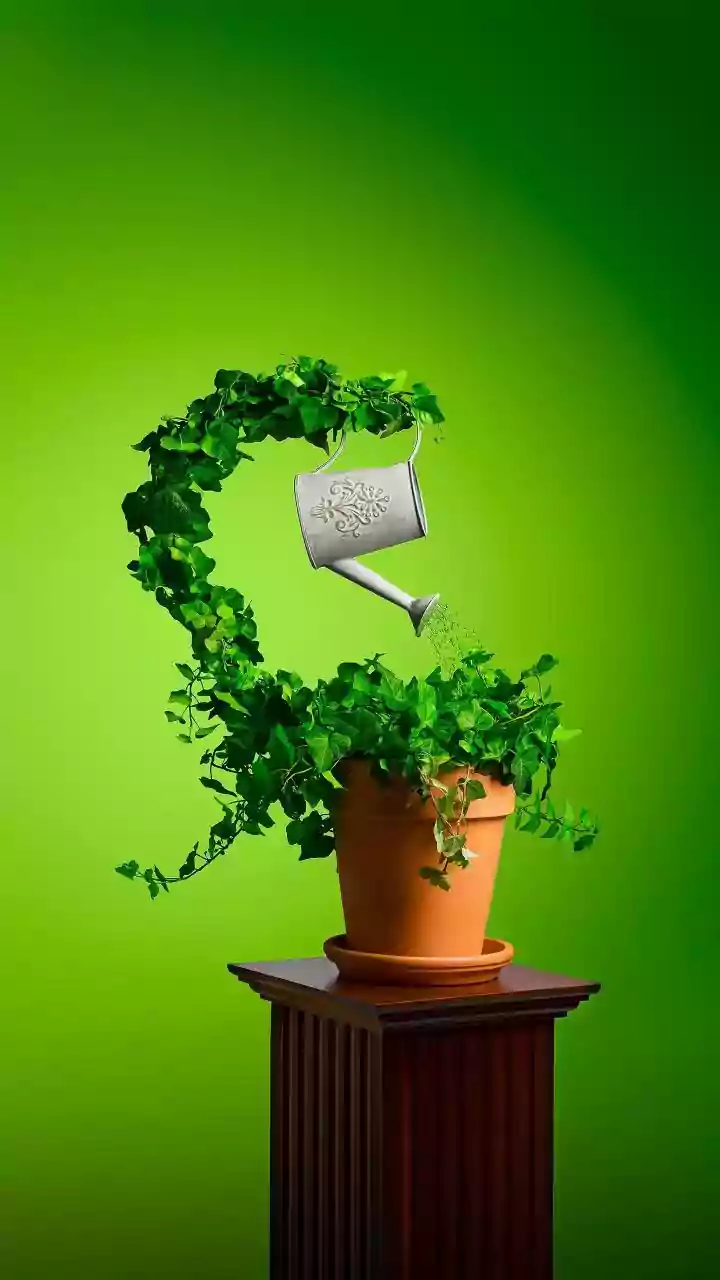
The most straightforward approach to watering is also the one that connects you most to your plants: manual watering. For many city gardeners, this is the most practical solution. Success lies in having the right tools and technique. A watering can with
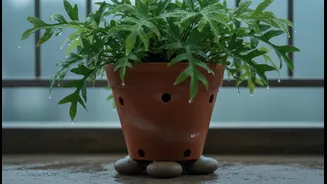
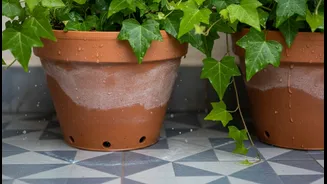
a long spout is essential, allowing you to direct water to the base of the plant without disturbing the leaves or soil. To water effectively, do so slowly until you see water emerging from the drainage holes at the bottom of the pot. This ensures the entire root system is hydrated. The best time to water is in the early morning or late afternoon, as this minimises evaporation, especially during India's hot summers. Avoid a strict schedule; instead, check the soil by pushing a finger an inch or two deep. If it feels dry, it's time to water.
Embrace Self-Watering Containers
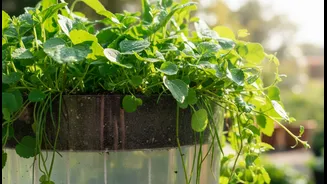
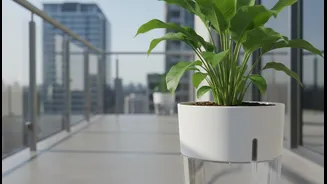
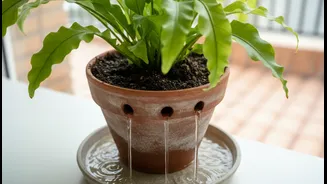
For those with a busy schedule or who travel often, self-watering containers are a game-changer. These innovative pots feature a built-in water reservoir at the bottom and a wicking system that allows the plant to draw up moisture as it needs it. This process, known as capillary action, provides a consistent level of moisture directly to the roots, preventing the common problems of over- or under-watering. You simply need to keep the reservoir filled, which, depending on the planter size and weather conditions, you may only need to do every week or so. You can find a wide variety of these planters online, or even create your own DIY version using two nesting containers and a wicking material like cotton rope.
Install a Gravity-Fed Drip System
If you have a larger collection of plants, a gravity-fed drip irrigation system can automate watering without a tap. These systems use an elevated water source, like a large container or a dedicated tank placed on a shelf, to create pressure. From this reservoir, a network of thin tubes runs to each pot, delivering water slowly and directly to the soil through drip emitters. You can buy pre-made kits designed for balconies that are simple to assemble. The main task is refilling the main water tank periodically. This method is incredibly water-efficient, as it minimises evaporation and ensures every drop is delivered where it's needed most. You can even attach a simple, battery-operated timer to fully automate the process.
Smart Water Storage and Sourcing
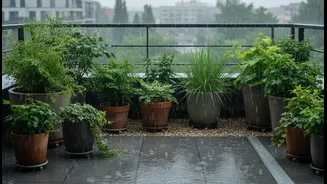
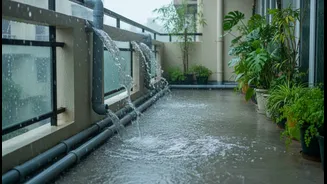
The biggest question remains: where does the water come from? The simplest answer is from inside your home. A dedicated bucket or a large-capacity plastic jerrycan can be filled in the kitchen or bathroom and stored on the balcony. For easier transport, consider a small, collapsible hose that can be temporarily attached to an indoor sink faucet with an adapter. During the monsoon season, you can also practice mini rainwater harvesting. By strategically placing buckets or setting up a simple sheet to channel water, you can collect a surprising amount of free, nutrient-rich water for your plants. Reusing water from washing rice and vegetables is another sustainable practice popular among Indian gardeners.
Choose Your Plants Wisely
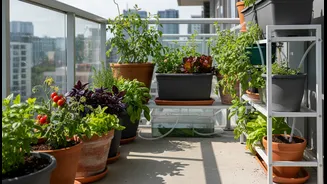
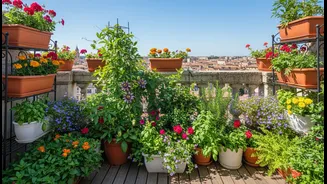
Your watering strategy will be more successful if you choose plants that match your setup. If you are watering manually and might occasionally forget, hardy plants like snake plants, aloe vera, or bougainvillea are forgiving. For vegetable gardening, start with low-maintenance options such as tomatoes, chillies, spinach, and mint, which do well in containers. It's also helpful to group plants with similar water needs together. This allows you to care for them more efficiently without overwatering a drought-tolerant plant that's sitting next to a thirsty one. Ultimately, the right plants will not only survive but thrive with your chosen non-plumbed watering system.