




Jalapão State Park, Tocantins
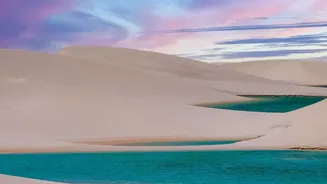
Often called the 'Brazilian desert,' Jalapão is a remote ecological park that serves up a stunning combination of golden sand dunes, crystal-clear rivers, and unique natural springs known as 'fervedouros'. Much like Lençóis Maranhenses, it presents a landscape
of stark contrasts where water emerges in an arid-looking environment. The fervedouros are the main attraction; these pools of water over powerful springs are so buoyant that it’s impossible to sink, creating a feeling of effortless floating. Reaching Jalapão requires a 4x4 vehicle and a sense of adventure, as the roads are mostly unpaved, but the reward is access to a pristine corner of the Cerrado, Brazil's vast tropical savanna. The best time to visit is during the dry season from May to September, when the skies are clear and access is easier.
Chapada Diamantina National Park, Bahia
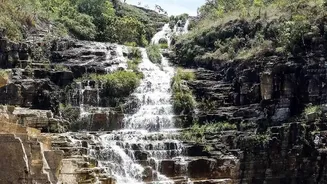
If Lençóis Maranhenses is a marvel of horizontal grandeur, Chapada Diamantina is its vertical counterpart. Located in the heart of Bahia, this national park is a trekker's paradise, defined by majestic tabletop mountains (tepuis), sprawling canyons, and a seemingly endless network of waterfalls and underground cave systems. The park's name, meaning 'Diamond Highlands,' harks back to its 19th-century diamond mining boom, but today its treasures are natural. Visitors can hike to the top of Pai Inácio Hill for panoramic sunset views, witness the 380-meter drop of Fumaça Waterfall, or swim in the surreal, iridescent blue waters of Poço Azul and Poço Encantado, caves where sunlight creates an ethereal glow. Exploring the vast Vale do Pati on a multi-day trek offers a deep immersion into one of Brazil's most dramatic landscapes.
Alter do Chão, Pará
Imagine the Caribbean, but in the heart of the Amazon. That's Alter do Chão, a small village on the banks of the Tapajós River that has been called home to the most beautiful freshwater beach in the world. During the dry season, from August to December, the river recedes to reveal stunning white-sand beaches and islands, most famously the Ilha do Amor (Island of Love). This destination offers a unique alternative to Brazil's crowded coastline, providing a tranquil beach experience surrounded by lush rainforest. Beyond lounging on the river beaches, visitors can take boat trips to explore the 'flooded forest' of the Jari Canal, visit local communities to learn about cassava production, and watch for pink river dolphins. It's a place where the Amazon's immense scale meets serene, beach-like relaxation.
Bonito, Mato Grosso do Sul
The name of this ecotourism hub literally means 'beautiful,' and it delivers on its promise with some of the clearest rivers in the world. Located in Mato Grosso do Sul, Bonito's magic lies underground in its limestone-rich geology, which acts as a natural filter for the water. The premier activity here is 'flutuação,' or flotation snorkeling, where you effortlessly drift down rivers like the Rio Sucuri or Rio da Prata, surrounded by colourful fish in a natural aquarium. Unlike the open vistas of Lençóis Maranhenses, Bonito's wonders are more intimate, found within its rivers and spectacular cave systems like the Gruta do Lago Azul, a cavern with a deep, cobalt-blue lake. Tourism is strictly regulated to preserve the pristine environment, so all tours must be booked in advance with a guide, ensuring a sustainable and crowd-free experience. The best visibility for snorkeling is during the dry season between May and September.
Ilha Grande, Rio de Janeiro
While not entirely 'hidden,' Ilha Grande remains a world away from the hustle of nearby Rio de Janeiro. This car-free island is a protected reserve of dense Atlantic rainforest, ringed by over 100 beaches. Its appeal lies in its preserved, wild nature. The star is Lopes Mendes, often cited as one of Brazil's most beautiful beaches, a vast expanse of fine white sand accessible via a hike through the jungle or by boat. For those seeking true seclusion, a speedboat tour can take you to the southern coast's remote beaches like Caxadaço and Parnaioca, which were once hideouts for pirates. The island offers a different kind of natural immersion—not of dunes or canyons, but of lush forest trails leading to pristine, turquoise waters, providing a perfect blend of adventure and relaxation.