







The Problem with Just Counting Calories
Chasing a calorie deficit can feel like a relentless, joyless task. It often involves meticulous tracking, restrictive eating, and a constant battle against hunger. While a calorie deficit is necessary for weight loss, focusing solely on numbers can lead
to poor food choices. A 500-calorie meal of processed foods is vastly different from a 500-calorie meal rich in whole grains, vegetables, and protein. The latter keeps you full and nourished, while the former can leave you hungry and craving more soon after. This is why many people find calorie-counting diets difficult to sustain long-term, often leading to a cycle of weight loss and regain.
Why Fibre is a Smarter Starting Point
Instead of subtracting calories, experts recommend adding fibre. Dietary fibre, a type of carbohydrate your body can't digest, plays a crucial role in weight management. It works by increasing the feeling of fullness, or satiety, which naturally helps reduce your overall calorie intake without you having to count. High-fibre foods require more chewing and slow down digestion. This process helps your brain register that you're full, preventing overeating. Soluble fibre, in particular, forms a gel-like substance in your digestive tract, delaying stomach emptying and keeping you satisfied for longer.
The Science of Satiety and Gut Health
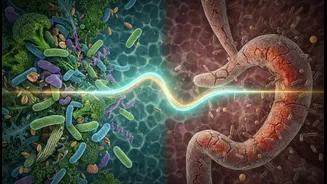
Fibre's benefits go beyond just making you feel full. It's essential for a healthy gut microbiome. When gut bacteria ferment fibre, they produce short-chain fatty acids (SCFAs). These compounds have been shown to influence metabolism and appetite-regulating hormones, further supporting weight management. A high-fibre diet also helps stabilise blood sugar levels. By slowing the absorption of sugar, it prevents the sharp spikes and subsequent crashes that can trigger cravings for unhealthy snacks. This stable energy release helps you maintain better appetite control throughout the day.
Making It Work in an Indian Kitchen
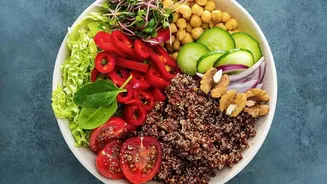
The good news is that a traditional Indian diet is well-suited for a fibre-rich approach. Many staples are already packed with it. The key is to choose less processed versions and be mindful of preparation. Swap white rice for brown rice or millets like jowar and bajra. Ensure every main meal includes a portion of dal, chana, or rajma, which are excellent sources of both fibre and protein. Instead of peeling fruits like apples and guavas, eat them with their skin on. Begin your meals with a simple raw vegetable salad of cucumber, carrots, and tomatoes to increase your fibre intake and help curb overeating. Even snacks can be fibre-rich; roasted chana, a handful of peanuts, or a bowl of sprouts are far better choices than packaged biscuits.
Simple Swaps for More Fibre
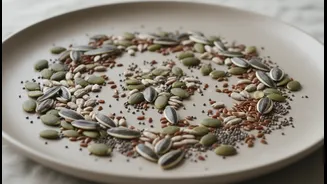
Increasing your fibre intake doesn't require a complete diet overhaul. Start with small, manageable changes. Use whole-wheat or multigrain atta instead of maida for your rotis. Sprinkle a tablespoon of chia or flax seeds into your yoghurt, smoothies, or on top of salads. If you enjoy breakfast cereals, opt for oats or millets. When cooking meat dishes, add legumes like beans or lentils to boost the fibre content. Remember to increase your fibre intake gradually over a few weeks to allow your digestive system to adjust, and drink plenty of water, as fibre works best when it's well-hydrated.