




An Introduction to Slow Travel
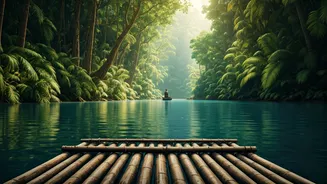
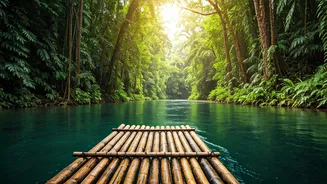
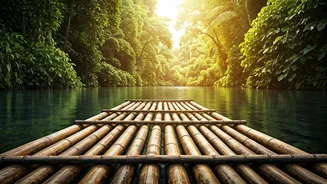
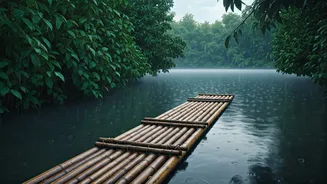
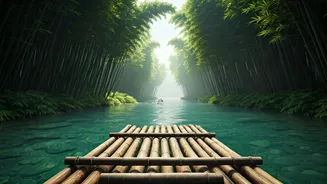
What exactly is bamboo rafting? At its core, it’s beautifully simple. You’re on a raft constructed from sturdy bamboo poles, navigated by local guides using long poles to push against the riverbed. There’s no noisy engine, no fumes, just the gentle sound
of water lapping against bamboo and the ambient symphony of the wilderness. It’s an eco-friendly activity that offers a uniquely intimate perspective on India’s lush backwaters and dense forests. This isn't an adrenaline-pumping sport; it's a meditative journey. The focus is on observation, relaxation, and immersing yourself in the environment, making it the perfect antidote to the chaos of urban life.
The Thekkady Experience
When people think of bamboo rafting in India, they are often picturing Thekkady in Kerala. Nestled within the Periyar Tiger Reserve, this is the flagship experience. The program here is typically a full-day affair, combining a trek through the forest with several hours of rafting on the vast Periyar Lake. Led by trained local guides, many of whom are former poachers turned protectors of the forest, the journey offers unparalleled opportunities for wildlife spotting. As you drift, keep your eyes peeled for elephants coming to the water's edge, sambar deer, bison, and a dazzling array of birdlife. Because the raft is so quiet, you can get surprisingly close to animals without disturbing them. It’s an adventure that feels both thrilling and deeply peaceful.
Wayanad's Tranquil Waterways
While Thekkady offers a grand, wildlife-focused expedition, Wayanad provides a more intimate and accessible rafting experience. The most famous spot here is Kuruva Island (Kuruva Dweep), a protected river delta on the Kabini River. The rafts here navigate a cluster of uninhabited islands, taking you through gentle streams shaded by a thick canopy of ancient trees. The water is often clear, allowing you to see the riverbed below. The journey is shorter, typically lasting an hour or two, making it perfect for families or those looking for a quick taste of serenity. Another option in Wayanad is the village of Pozhuthana, where you can raft along the Vythiri River, offering a quiet glimpse into local village life from the water.
Beyond Kerala's Borders
While Kerala is the heartland of bamboo rafting, other states offer their own unique versions of this activity. In Coorg, Karnataka, the gentle currents of the Cauvery River at Dubare Elephant Camp provide a scenic backdrop for rafting. It’s a fantastic way to complement a visit to the camp, offering a different view of the surrounding forests. In Northeast India, parts of Arunachal Pradesh and Assam have started to offer bamboo rafting on their pristine rivers, although these are often part of more extensive, multi-day trekking expeditions. These options are less commercialised and offer a raw, unfiltered connection with nature for the more intrepid traveller.
Tips for Your Rafting Adventure
To make the most of your trip, a little preparation goes a long way. First, book in advance, especially for Thekkady, as slots are limited to protect the ecosystem. Wear comfortable, quick-drying clothes and avoid heavy fabrics like denim. A hat, sunglasses, and reef-safe sunscreen are non-negotiable. For footwear, opt for secure sandals or floaters that won't slip off. Pack a waterproof bag for your phone and camera. Bringing a pair of binoculars is highly recommended for wildlife viewing. Most importantly, listen to your guides. They are experts on the local flora, fauna, and water currents, and their instructions are crucial for both your safety and your enjoyment. Finally, carry some cash for tips and small purchases, as network connectivity can be sparse.