




The Magic of the Winter Windowsill
A bright, sunlit windowsill during the winter months offers a unique micro-environment that is surprisingly perfect for many herbs. While the outdoor air may be chilly, the glass provides a protective barrier against frost and cold drafts. It allows the plants
to bask in the sunlight they need for photosynthesis, the process that creates the flavorful oils in their leaves, without the stress of extreme temperatures. For many Indian households, a south-facing window is ideal as it captures the maximum amount of winter sun. This combination of bright, direct light and stable indoor warmth creates a sweet spot, allowing you to enjoy the taste of a summer garden even when it’s cold outside.
Tulsi: A Sun-Loving Sacred Herb
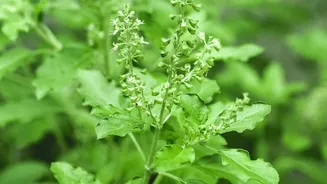
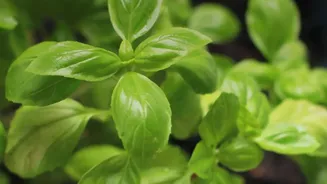
Tulsi, or Holy Basil, is a tropical plant at heart and is highly sensitive to cold. Temperatures below 10°C and frost can be fatal to this revered plant. Bringing it indoors to a sunny windowsill is essential for its survival during the colder months in many parts of India. Tulsi requires at least four to six hours of direct sunlight each day to thrive and develop its characteristic aroma and potent properties. A spot on a south-facing windowsill provides the light and warmth it craves, mimicking its native climate. During winter, Tulsi's growth naturally slows down, so it requires significantly less water. Overwatering is a common mistake and can lead to root rot, so it's best to let the soil dry out a bit between waterings.
Mint: The Adaptable and Prolific Herb
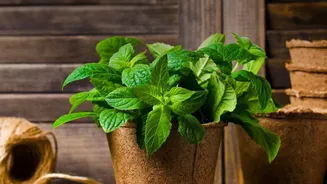
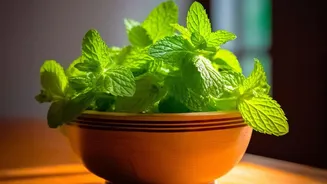
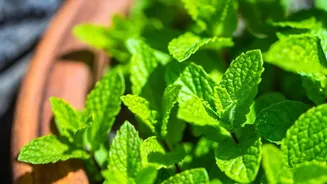
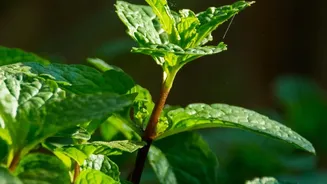
Mint is famously easy to grow, but its vigorous, spreading nature can be a challenge in a garden bed. Growing it in a pot on a windowsill is the perfect way to keep it contained while enjoying a constant supply. While mint can tolerate partial shade, it produces the best flavour when it receives plenty of bright, indirect light—around 6 to 8 hours is ideal. An east-facing window with gentle morning sun is a great option. Mint prefers consistently moist soil, so don't let the pot dry out completely. The stable temperatures of an indoor environment, typically between 18-21°C, are perfect for mint, keeping it productive for all your chutney and chai needs throughout the winter.
Coriander: The Cool-Weather Champion
Unlike many herbs, coriander (or dhania) actually prefers cooler conditions. Intense summer heat can cause it to 'bolt'—flower and set seed prematurely—which stops leaf production. This makes the moderate climate of a winter windowsill an ideal growing spot. Coriander thrives in temperatures between 17°C and 27°C and needs at least 4-6 hours of sunlight daily. A windowsill provides the light it needs without the scorching heat that stresses the plant. For a continuous supply, it’s a great idea to sow a new batch of seeds every few weeks. Growing coriander in a pot indoors protects it from the temperature swings of the outdoors and gives you easy access to fresh leaves for garnishing your favourite dishes.
Tips for a Thriving Windowsill Herb Garden
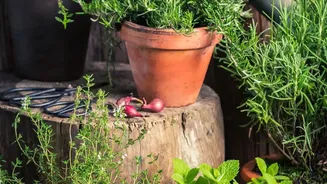
To ensure your success, a few basic principles apply to all three herbs. First, choose pots with good drainage holes to prevent waterlogging and root rot. Terracotta pots are an excellent choice as they allow the soil to breathe. Use a light, well-draining potting mix rather than heavy garden soil. Rotate your pots weekly to ensure all sides of the plant get sunlight, promoting even, upright growth instead of a plant that leans towards the window. Finally, don’t be afraid to harvest! Regularly pinching the tips of your Tulsi and mint plants encourages them to grow bushier and more productive. For coriander, harvest the outer leaves first to allow the plant to continue producing from the centre.