




The Next Frontier is Commercial
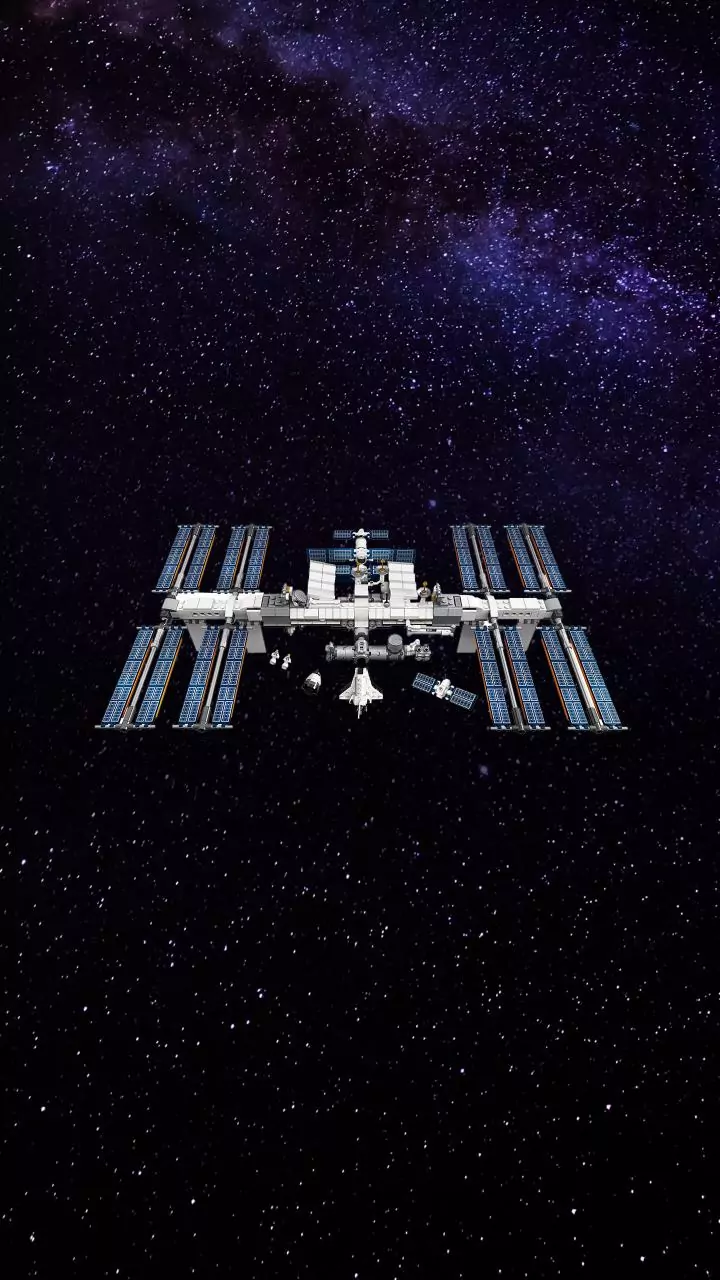
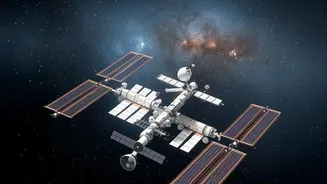
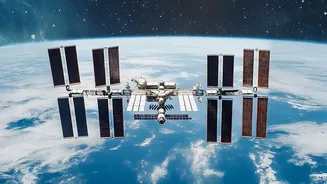
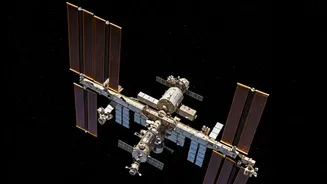
For decades, access to space was the exclusive domain of government agencies. Now, the torch is being passed to the private sector. With the International Space Station (ISS) scheduled to be deorbited around 2030, NASA is actively funding commercial companies
to ensure there is no gap in humanity's presence in low Earth orbit. This has sparked a race among several ambitious companies to build, launch, and operate the world's first commercial space stations. Firms like Axiom Space, and a partnership between Sierra Space and Blue Origin, are at the forefront, developing what they envision as 'business parks' in the sky, accessible to a wide range of customers, from sovereign space programs to private researchers and tourists.
Why Inflatable Is a Big Deal
The biggest challenge in building a space station is the size and weight of its components, which are limited by the payload fairings of rockets. Inflatable modules offer a clever solution. These habitats are launched in a compact, compressed state and are only inflated once they reach orbit. This allows a single rocket launch to deliver a habitat with a much larger internal volume than a traditional rigid, metallic module. Sierra Space's LIFE Habitat, for example, can be packed into a standard rocket fairing but expands to the size of a three-story apartment building in space. Made from advanced, multi-layered fabrics like Vectran, these structures are lighter, cheaper to launch, and surprisingly durable, offering protection against micrometeoroids and radiation.
A Laboratory Like No Other
The primary driver for these new stations is the immense potential of microgravity research and manufacturing. In the near-weightless environment of space, processes that are impossible on Earth become routine. Scientists can grow larger, more perfect protein crystals, which is crucial for developing new drugs and understanding diseases. In one case, Merck improved its cancer drug Keytruda by studying it on the ISS. Other promising fields include creating superior alloys, manufacturing flawless optical fibres, and 3D-printing human organs without the need for scaffolding, as cells naturally form three-dimensional structures. The expanded capacity from new private stations will dramatically increase access for companies and research institutions that have been waiting for a chance to experiment in orbit.
The Key Players in the New Space Race
Several companies are vying to become the first landlords in low Earth orbit. Axiom Space is already constructing the first module of its station, which will initially attach to the ISS before separating to become a free-flying platform. Sierra Space, partnered with Blue Origin on a project called Orbital Reef, has been rigorously testing its large inflatable LIFE habitat, which recently underwent a successful burst test that far exceeded NASA's safety requirements. Another company, Vast, aims to launch its own single-module station, Haven-1. NASA's Commercial LEO Destinations program is providing crucial funding and technical support to these ventures, paving the way for a robust economy in orbit.
An Orbital Handover
The mission of these private stations is not just to exist but to provide a seamless transition from the ISS era to a future where multiple orbital platforms are available. By starting with modules attached to the ISS, companies like Axiom can validate their systems and build a customer base before the government-run lab is retired. This strategy ensures that decades of learning and research momentum are not lost. The goal is to create a market where NASA is just one of many customers, purchasing services from commercial providers rather than owning and operating the entire infrastructure. This shift is expected to lower costs, spur innovation, and open up space to a new generation of entrepreneurs and scientists.