





The Paradox of Hidden Hunger
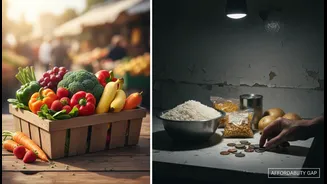
Hidden hunger is a form of malnutrition that occurs when the intake of calories is sufficient, but the diet lacks essential micronutrients like iron, zinc, and Vitamin A. Unlike starvation, its effects are not immediately visible, yet they are profoundly
damaging, leading to weakened immunity, impaired cognitive development in children, and reduced productivity in adults. In India, this issue is widespread, with a significant portion of the population, particularly women and children in rural areas, suffering from deficiencies despite having enough to eat. The problem often stems from a reliance on monotonous diets dominated by a few staple crops, such as rice and wheat, which, while providing energy, do not offer a complete nutritional profile.
The Solution Rooted in the Soil
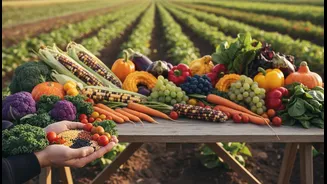
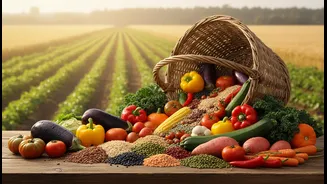
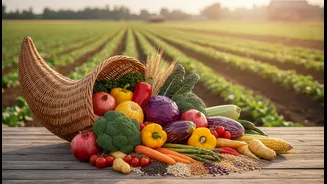
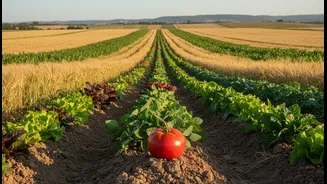
Crop diversity is the agricultural practice of growing a variety of crops in a specific area, rather than focusing on a single crop, or monoculture. This isn't a new concept, but it's gaining renewed urgency. For decades, Indian agriculture, particularly since the Green Revolution, has prioritized the high-yield production of staples like rice and wheat to ensure food security. While successful in preventing famine, this focus has led to an over-reliance on these crops, contributing to both ecological stress and the nutritional gap that fuels hidden hunger. Shifting towards diversity means reintroducing traditional and new crops, such as millets, pulses, oilseeds, fruits, and vegetables, into the farming system.
A Richer Harvest, A Healthier Diet
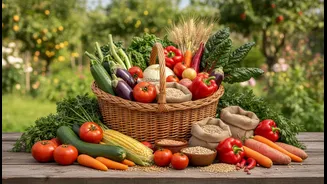
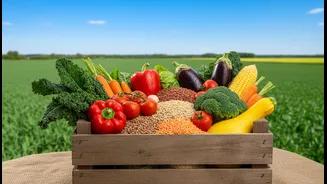
The most direct impact of crop diversity is on micronutrient security. When farmers cultivate a wider range of crops, the availability and accessibility of diverse foods within the community increase. A diet that includes millets, pulses, and leafy greens alongside staples provides a richer array of essential vitamins and minerals, directly combating hidden hunger. For rural families who may have limited access to markets, what is grown locally often defines what is eaten. Therefore, diversifying farms translates almost directly to diversifying the food on the plate, improving the nutritional status of the entire community, especially its most vulnerable members.
Building Resilience from the Ground Up
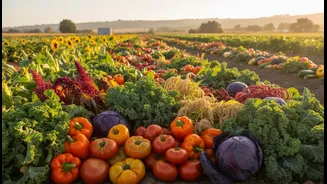
Beyond nutrition, crop diversity is a critical tool for building farm resilience. Monoculture farming is vulnerable; a single pest, disease, or extreme weather event like a drought can wipe out an entire harvest, devastating a farmer's income. A diversified farm, however, is like a balanced portfolio. Different crops have different tolerances to pests, water stress, and temperature changes. If one crop fails, others may survive, providing a crucial buffer against both climatic and economic shocks. This practice also improves soil health by preventing the nutrient depletion associated with growing the same crop year after year, making the entire farming system more sustainable.
The Path to a Diverse Future
Encouraging this shift requires a multi-pronged approach. The Indian government has launched initiatives like the Crop Diversification Programme (CDP) and the National Food Security Mission (NFSM) to encourage farmers to move away from water-intensive staples toward pulses, oilseeds, and nutri-cereals. These programs provide support through subsidies, training, and the development of market linkages. However, success also depends on ensuring stable markets and fair prices for these alternative crops, giving farmers the economic confidence to diversify. Strengthening community-led initiatives like local seed banks can also play a vital role in preserving and promoting traditional, climate-resilient crop varieties.