


The Power of a Tiny Seed
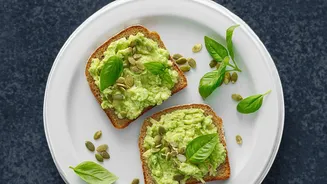
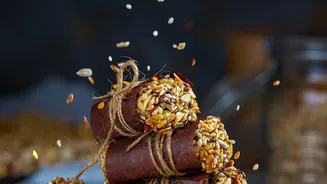
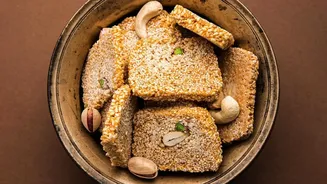
At the heart of this movement is a renewed appreciation for the nutritional might of seeds. Seeds like pumpkin, sunflower, flax, and chia are celebrated as nutritional powerhouses. For instance, pumpkin seeds are an excellent source of magnesium and zinc,
which are vital for immune health and better sleep. Sunflower seeds, on the other hand, are packed with vitamin E, a powerful antioxidant that protects your cells from damage. Flax and chia seeds are champions of plant-based omega-3 fatty acids and fibre. While flax seeds offer more omega-3s, chia seeds provide a higher calcium content and don't require grinding to unlock their benefits. Together, these seeds provide a fantastic mix of healthy fats, plant-based protein, and fibre that keeps you full and energised.
A Symphony of Spice
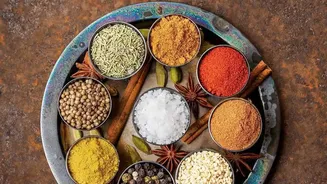
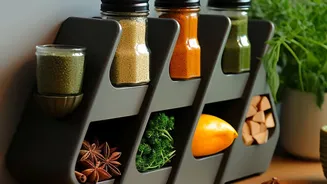
What truly elevates these seeds from a simple health food to a culinary delight is the addition of spices. Roasting seeds with classic Indian masalas transforms them. Spices like cumin, coriander, fennel, and turmeric not only add layers of flavour but also bring their own health benefits. Cumin, a staple in Indian kitchens, is rich in iron and aids digestion. Turmeric is known for its anti-inflammatory properties, especially when paired with black pepper. These spice blends, sometimes inspired by traditional mixes like 'panch phoran' (a five-seed blend), create a snack that is both satisfyingly crunchy and deeply flavourful. This move away from bland health food towards something genuinely delicious is a key reason for their popularity.
Rediscovering Indigenous Butters
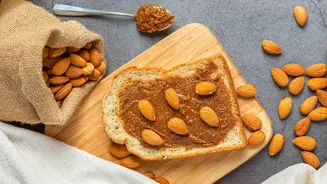
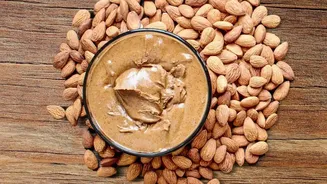
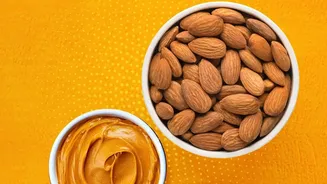
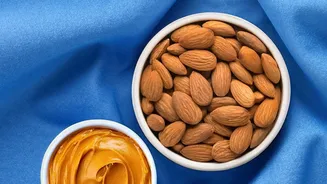
Alongside spiced seeds, there is a growing love for indigenous nut and seed butters. While peanut butter is a global staple, Indian foodies are exploring local alternatives like tahini (sesame butter) and butters made from almonds and cashews. These butters are often stone-ground, a traditional method that preserves nutrients by avoiding heat generation. Tahini, made from sesame seeds, is a standout, offering significantly more calcium and iron than peanut butter. This makes it an excellent choice for those on plant-based diets. These butters connect consumers with local agricultural traditions and offer unique, earthy flavours that differ from mass-produced spreads, which can contain added sugars and hydrogenated oils.
Versatile in the Modern Kitchen
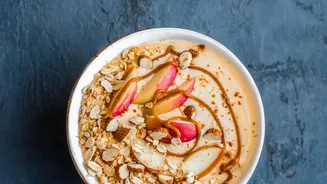
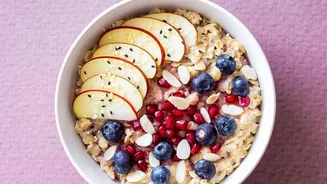
Part of the appeal is how easily these ingredients integrate into daily meals. It's not just about snacking from the jar. Spiced seeds add a desirable crunch and a burst of flavour to salads, soups, and yogurt bowls. They can be used as a crust for fish or chicken or mixed into dough for bread and rotis. Indigenous nut butters are equally versatile. Tahini is the backbone of hummus and countless Middle Eastern dips and sauces, but it also adds a creamy, nutty richness to salad dressings and even baked goods like brownies. Almond and cashew butters can be swirled into oatmeal, blended into smoothies for a protein boost, or used as a base for healthy, energy-boosting snacks.